South Korea's Industrial Output Flat in July as Retail Sales Fall and Facility Investment Surges
Key Takeaways
- •South Korea's overall industrial output was flat in July compared with the previous month, following a 2.4 percent rebound in June.
- •Electronic component production jumped 20.7 percent in July, while automobile output fell 4.5 percent and semiconductor output edged up 0.5 percent.
- •Service sector output contracted 1.3 percent month-on-month, the steepest decline since February 2022, apparently due to high consumer prices and a heat wave.
- •Retail sales retreated 2.4 percent in July, with durable goods sales sliding 7.7 percent, indicating weak private consumption.
- •Facility investment rose 7.5 percent in July, the largest increase since February, led by a 15.4 percent gain in transportation equipment investment.
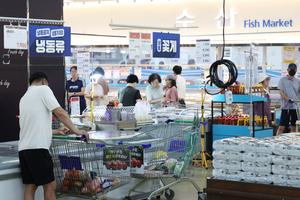
South Korea's industrial output remained flat in July compared with the previous month, data released Monday showed, as retail sales lost ground while facility investment advanced.
According to figures from the Ministry of Data and Statistics, industrial production was unchanged in July on a month-on-month basis. The result followed a decline of 0.5 percent in April and 0.4 percent in May, before output rebounded 2.4 percent in June.
Output in the mining and manufacturing sector, a key pillar of the economy, edged up 0.2 percent, driven by the electronic component segment, which jumped 20.7 percent. Automobile production, by contrast, fell 4.5 percent, while semiconductor output inched up 0.5 percent. The mixed readings come amid close attention to chip demand, as semiconductors are one of South Korea's largest export items and a major swing factor for the country's manufacturing and trade performance.
Service sector output contracted 1.3 percent in July from a month earlier, the sharpest decline since the 1.7 percent drop recorded in February 2022, apparently due to high consumer prices and a heat wave. Within services, the information and communication segment rose 3.5 percent, while finance and insurance output decreased 4.8 percent.
Retail sales, a gauge of private spending, retreated 2.4 percent over the period, led mostly by durable goods, including cars. Sales of semidurable goods, such as clothes, fell 1.4 percent, while durable goods sales slid 7.7 percent. Sales of nondurable goods, including cosmetics, slipped 0.1 percent. The weakness in consumption stands in contrast to the strength in business spending in the same month.
Facility investment, meanwhile, shot up 7.5 percent in July from a month earlier, marking the largest growth since the 15 percent surge posted in February. The report showed investment in transportation equipment rose 15.4 percent, while investment in machinery, including semiconductor production equipment, increased 4.2 percent. (Yonhap)
