Heat Wave Grips South Korea, Temperatures Forecast to Peak at 39°C
Key Takeaways
- •South Korea's heat wave is projected to peak at 39°C on Sunday, with daytime highs ranging from 33°C to 39°C nationwide.
- •The Korea Meteorological Administration has urged the public to avoid outdoor activities and remain hydrated to prevent heat-related illness.
- •South Korea operates a tiered heat wave advisory system under which local governments open public cooling shelters and issue exposure guidelines for outdoor workers.
- •The current heat wave is part of a longer-term pattern of increasingly frequent and prolonged extreme heat events on the Korean Peninsula documented by the national weather service.
- •Health authorities caution that elderly individuals, children, and those engaged in strenuous outdoor activity face heightened risks of heat exhaustion and heatstroke.
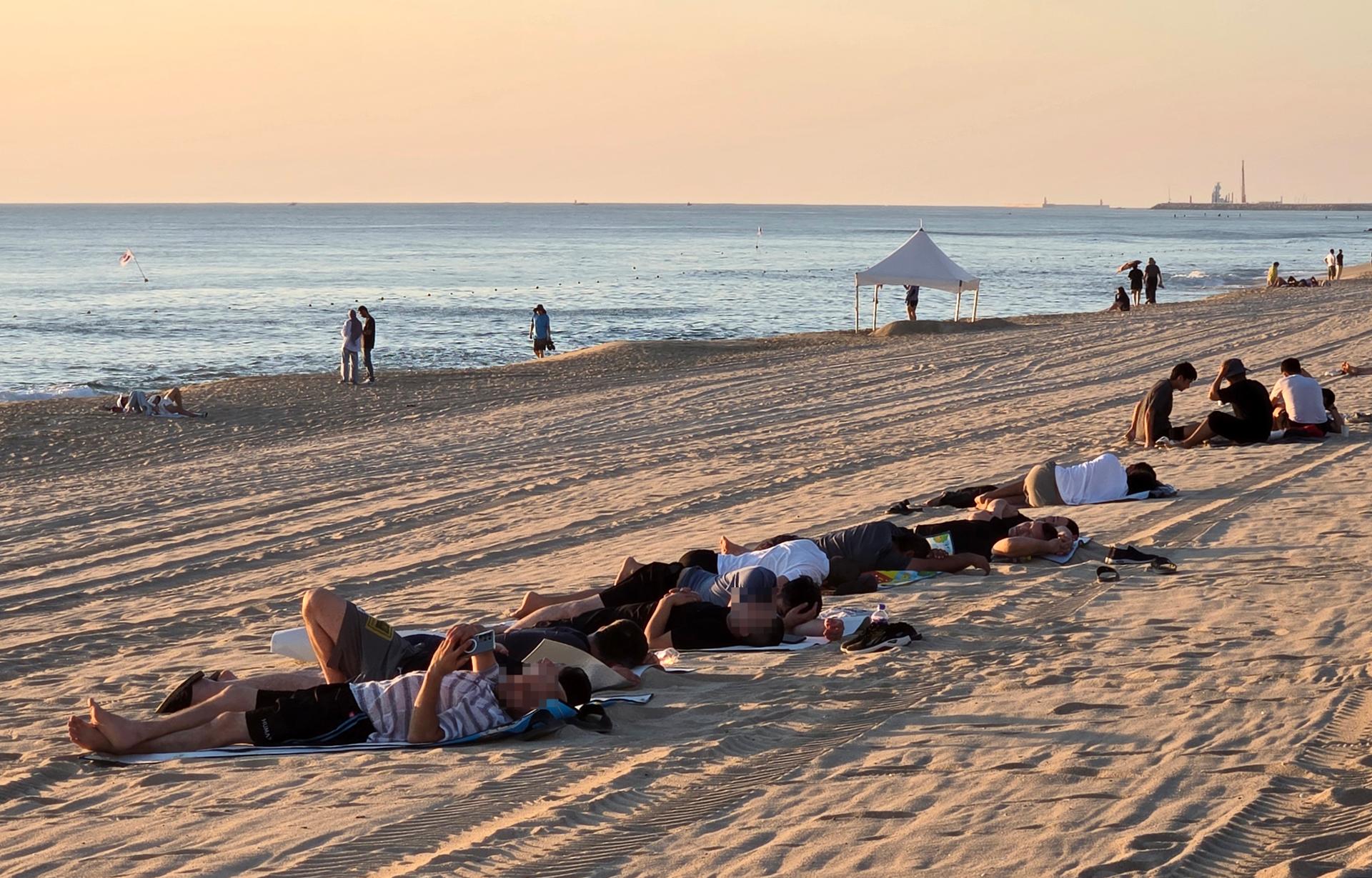
A scorching heat wave continues to grip South Korea, with temperatures expected to peak at 39 degrees Celsius on Sunday, according to the state weather agency.
Daytime highs were forecast to range between 33°C and 39°C across the country. In the Seoul metropolitan area and the central regions, high humidity is expected to make the heat feel even more intense.
Parts of South Jeolla and South Gyeongsang provinces are projected to see daytime temperatures rise above 39°C, conditions that could prompt authorities to issue heat wave warnings.
The Korea Meteorological Administration, the country's national weather service, advised the public to refrain from outdoor activities and to drink plenty of water to prevent dehydration.
South Korea typically experiences hot and humid summers from June through August, influenced by the North Pacific high-pressure system. During periods of extreme heat, the government operates a tiered heat wave advisory system — consisting of advisories, warnings, and severe warnings — based on maximum temperatures and the duration of the heat event. Under this framework, local governments routinely open public cooling shelters, including community centers and subway stations, and issue guidelines for outdoor workers to limit exposure during peak afternoon hours.
The current heat wave adds to a pattern of intensifying summer temperatures on the Korean Peninsula in recent years. South Korea recorded its hottest overall temperature in 2018 at 41.0°C in Hongcheon, Gangwon Province, and heat waves have become more frequent and prolonged, a trend documented by the Korea Meteorological Administration.
Residents and visitors sought relief from the heat at coastal areas. On Gyeongpo Beach in Gangneung, Gangwon Province, people were seen resting on the sand to escape the intense temperatures, as captured in photos by Yonhap News Agency.
Health authorities routinely caution that prolonged exposure to extreme heat can lead to heat-related illnesses such as heat exhaustion and heatstroke, particularly among elderly individuals, children, and those engaged in strenuous outdoor activity.

