South Korea Moves to Lift ICO Ban After Nearly a Decade
Key Takeaways
- •South Korea's Financial Services Commission proposed a draft bill on Tuesday that would reverse the ICO ban imposed in September 2017, permitting domestic projects to issue and sell tokens to the public for the first time in nine years.
- •Under the proposal, issuers must file a digital asset white paper with the FSC before any token sale and would face civil damages, financial penalties and possible criminal prosecution for false or omitted disclosures.
- •Regulators concluded that the ban pushed Korean projects, including game developers Wemade and Netmarble, to run token sales through offshore entities, and the FSC seeks to reclaim that activity along with its associated investment and jobs.
- •The same bill would restrict Korean won-backed stablecoin issuance to consortiums with majority bank stakes, cap a single major shareholder's exchange ownership at 20% rising to 34% under certain conditions, and extend market-manipulation rules to crypto-to-crypto trades.
- •The draft must be approved by the National Assembly before taking effect, leaving both the timeline and the final shape of the rules undetermined.
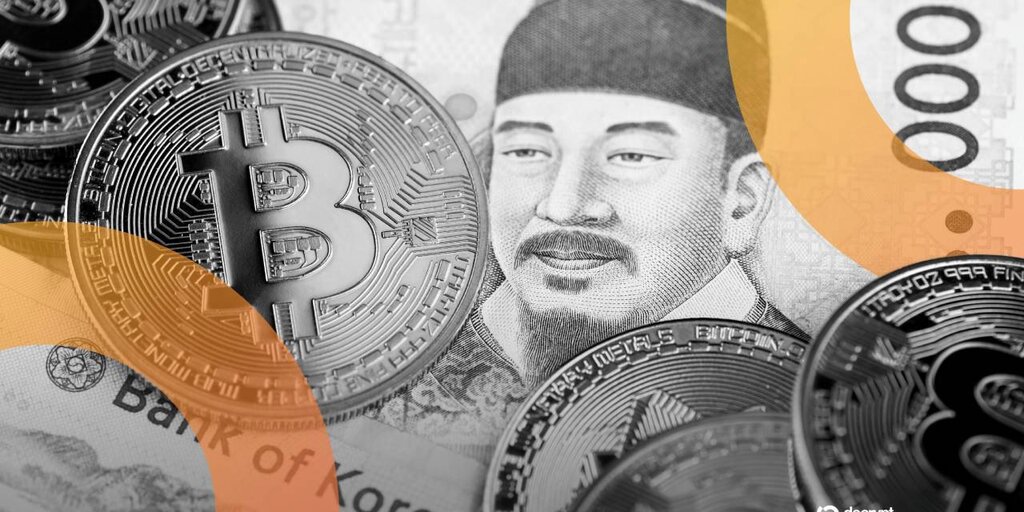
South Korea's Financial Services Commission has proposed a draft bill to end the country's ban on initial coin offerings (ICOs), allowing domestic projects to issue and sell tokens to the public for the first time in nearly a decade. Issuers and their executives would face civil, financial and criminal liability for false disclosures, and the ICO reversal forms part of a broader regulatory overhaul that also covers won-backed stablecoin rules and a 20% ownership cap on crypto exchanges.
The draft bill, titled the Act on Digital Asset Industry Innovation and User Protection, was unveiled on Tuesday by the Financial Services Commission (FSC), South Korea's top financial regulator. It would reverse the prohibition imposed in September 2017, when regulators banned ICOs over fraud, speculation and investor losses. If passed, it would let domestic projects issue and sell tokens to the public for the first time in nine years, a move aimed at pulling crypto fundraising back onshore, creating jobs and folding token sales into a regulated framework.
Under the proposal, any issuer would be required to file a "digital asset white paper" with the FSC before selling tokens, detailing the project, how the raised funds will be used, how many tokens will be issued and the risks involved. Issuers and their executives would face civil damages, financial penalties and possible criminal prosecution for false or omitted information, a liability regime modeled on the disclosure rules that govern stock offerings.
Regulators have concluded that the ban never really worked. It largely pushed Korean projects to set up entities abroad and run their token sales through them, with game developers Wemade and Netmarble among the better-known firms that took the offshore route. The FSC's stated goal is to reclaim that activity, along with the investment and jobs that went with it.
The ICO reversal is one piece of a sweeping overhaul. The same bill would restrict the issuance of Korean won-backed stablecoins to consortiums in which commercial banks hold a majority stake. It would also cap any single major shareholder's ownership of a crypto exchange at 20%, rising to 34% under certain conditions, extend market-manipulation rules to crypto-to-crypto trades, and organize the market into regulated verticals spanning exchanges, trading, brokerage, custody and asset management.
The shift fits a broader global move toward regulated token fundraising, as the United States and other jurisdictions build out frameworks that give crypto issuers clearer legal footing. It also marks a notable turn for South Korea, one of the world's most active retail crypto markets, which has long paired enthusiastic trading with strict rules.
The proposal is only a draft. It now heads to the National Assembly, where lawmakers must approve it before any of the changes take effect, leaving both the timeline and the final shape of the rules still to be determined.

