Foreign Credit Card Spending in South Korea Surges Nearly Tenfold in June Compared to 2023, Korea Credit Data Report Shows
Key Takeaways
- •The monthly index of overseas credit card revenues at South Korean merchants reached 960 in June, compared to a baseline of 100 in January 2023.
- •Foreign card transactions accounted for 1.2 percent of total merchant revenues in June, a sixfold increase from 0.2 percent recorded in January 2023.
- •Seoul generated 65 percent of all overseas credit card revenues over the past 12 months, dwarfing Gyeonggi Province at 11 percent and Busan at 8 percent.
- •Dermatology clinics captured 40 percent of service-sector revenues from overseas credit cards, while plastic surgery clinics contributed 14 percent.
- •Foreign visitors outspent Korean nationals in the service sector, averaging 166,000 won per transaction compared to 47,000 won for Korean customers.
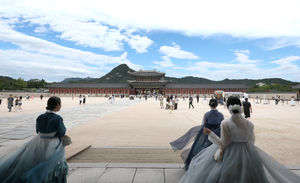
Foreign credit card spending at South Korean merchants surged to nearly ten times the 2023 level in June, driven by a sharp increase in overseas visitors, according to a report released Tuesday by Korea Credit Data.
The KCD report showed that the monthly index of revenues from overseas credit cards at local merchants reached 960 in June, a dramatic rise from the baseline of 100 recorded in January 2023. The index has climbed steadily over the cited period, with only minor seasonal dips, reflecting South Korea's broader post-pandemic tourism recovery as the country continued to ease travel restrictions and promote inbound tourism.
Overseas credit card revenues also grew as a share of total merchant revenue. In June, foreign card transactions accounted for 1.2 percent of total revenues, a sixfold increase from the 0.2 percent recorded in January 2023. The Korean won's depreciation against major currencies over the same period has made Korean goods and services relatively more affordable for visitors spending in foreign currencies.
The spending was heavily concentrated in the capital region. Over the past 12 months, Seoul generated 65 percent of all overseas credit card revenues, followed by Gyeonggi Province at 11 percent and Busan at 8 percent.
Dermatology and cosmetic surgery clinics were among the top beneficiaries of foreign spending in the service sector, reflecting South Korea's established reputation as a leading destination for medical and cosmetic tourism. The Korean government has actively promoted the medical tourism sector through visa facilitation and marketing campaigns targeting international visitors. Dermatology clinics accounted for 40 percent of service-sector revenues from overseas cards, while plastic surgery clinics contributed 14 percent.
In the retail sector, fashion and clothing shops captured 28 percent of foreign card revenues. Korean food restaurants made up 19 percent of revenues in the food service category.
Foreign visitors consistently outspent Korean nationals in the service sector, averaging 166,000 won ($117) per transaction compared with 47,000 won for Korean customers. In retail, foreigners spent an average of 32,000 won, while in food and beverages the average stood at 33,000 won.
The surge in card spending aligns with broader tourism growth. South Korea attracted 10.7 million foreign visitors in the first half of the year, representing a 21.3 percent increase from the same period in 2025. (Yonhap)

