It's the Economy, Stupid: South Korea in an Age of Hyper-Uncertainty
Key Takeaways
- •The U.S.–China rivalry has evolved into a supply chain war in which sanctions, export controls, and dominance in finance and technology serve as primary instruments of leverage.
- •China currently dominates the processing of critical minerals such as rare earths, lithium, and cobalt, giving it concentrated control over midstream supply chains essential to semiconductors, AI, and renewable energy.
- •South Korea's major companies, including Samsung Electronics, SK Hynix, LG Energy Solution, Samsung SDI, and SK On, hold dominant positions in global memory semiconductor and electric vehicle battery markets.
- •The author recommends that South Korea pursue a linchpin strategy in standards-setting for semiconductors, batteries, and AI to make alliances dependent on Korean participation.
- •South Korea imports approximately 95 percent of its energy, making it among the most exposed major economies to global energy disruptions and underscoring the need to treat renewable energy as a strategic national asset.
It's the Economy, Stupid: South Korea in an Age of Hyper-Uncertainty
Published Jul 26, 2026 1:40 pm KST — By Chang Se-myeong
The world has completed its transition from the age of globalization to the age of economic security — a systemic shift from the pursuit of absolute gains to the calculus of relative gains. Alongside traditional hard and soft power, a third form of power now demands attention: supply chain power.
The hegemonic rivalry between the United States and China has crystallized into a supply chain war. Tit-for-tat economic conflict has become the norm, with sanctions and export controls serving as weapons, economists and corporate executives operating under national directives as commanders, and primacy in finance and technology as the true measure of strength. South Korea, structurally sensitive to shifts in the global trading environment — its trade-to-GDP ratio has consistently ranked among the highest of any major economy — finds itself operating inside a weaponized global economy where trade and finance have grown openly coercive, transformed into instruments of leverage.
From Oil to Critical Minerals
If oil was the axis of great-power diplomacy and military strategy in the 20th century, that axis has shifted to critical minerals. Oil once underpinned transport, power generation, and the chemical industry, and was indispensable to waging war. Today, critical minerals are essential not only to traditional industries such as electronics, automobiles, and batteries, but also to semiconductors, artificial intelligence (AI), renewable energy, advanced weapons systems, and rare-earth permanent magnets. China currently dominates the processing of many of these materials — including rare earths, lithium, and cobalt — giving it a concentrated grip over midstream supply chains that few countries can bypass.
Competition between the U.S. and China to draw mineral-rich states into their respective spheres of influence has intensified markedly in recent years. Their clash over critical minerals marks the starting point of a new resource geopolitics, forcing every nation to confront a single question: whom do you trust, and whose supply chain will you join?
America's actions toward Venezuela and the conflict involving Iran expose the underlying logic of great-power competition. Venezuela is one of China's principal sources of crude oil, and the Strait of Hormuz functions as China's energy lifeline.
The U.S.–China race in AI is equally consequential. The data centers and semiconductor fabrication that AI development and operation require consume enormous quantities of electricity, and Trump's calculation has been to meet that demand through fossil fuel-based power generation. The result is a symmetry of leverage: China wields its advantage in minerals, while the United States counters with its advantage in energy institutions and infrastructure.
South Korea's Strategic Imperatives
How should South Korea respond to this geoeconomic moment?
First, South Korea must secure irreplaceable chokepoints within global supply chain networks. It must also occupy key nodes within the technology and supply chain architecture. South Korea's existing position offers a foundation for such leverage: companies like Samsung Electronics and SK Hynix together account for a dominant share of the global memory semiconductor market, while Korean battery makers — LG Energy Solution, Samsung SDI, and SK On — rank among the world's largest suppliers of electric vehicle batteries. In the standard-setting processes for semiconductors, batteries, and artificial intelligence, South Korea needs a linchpin strategy that makes alliances unable to function without Korean participation. Only by possessing such leverage and bargaining chips can South Korea be treated by both the United States and China as an indispensable, independent ally.
Second, there is an urgent need to redesign national legislation so that renewable energy is formally codified as a strategic national asset. South Korea, which imports roughly 95 percent of its energy, ranks among the countries most exposed to disruptions in global energy markets, including the crisis caused by the war involving Iran. To strengthen energy security, Seoul must accelerate the expansion and modernization of its power grid. To reduce the country's overall dependence on energy imports, it must situate the decarbonization of energy-intensive industries such as steel and petrochemicals within the broader framework of energy security strategy.
Navigating Hyper-Uncertainty
We have entered an age of hyper-uncertainty, in which conflicts across politics, economics, the environment, technology, culture, and morality erupt and converge simultaneously. Only policy built on the recognition that economics has become a core instrument of security — and that security strategy must be designed upon an economic foundation — can navigate the era ahead.
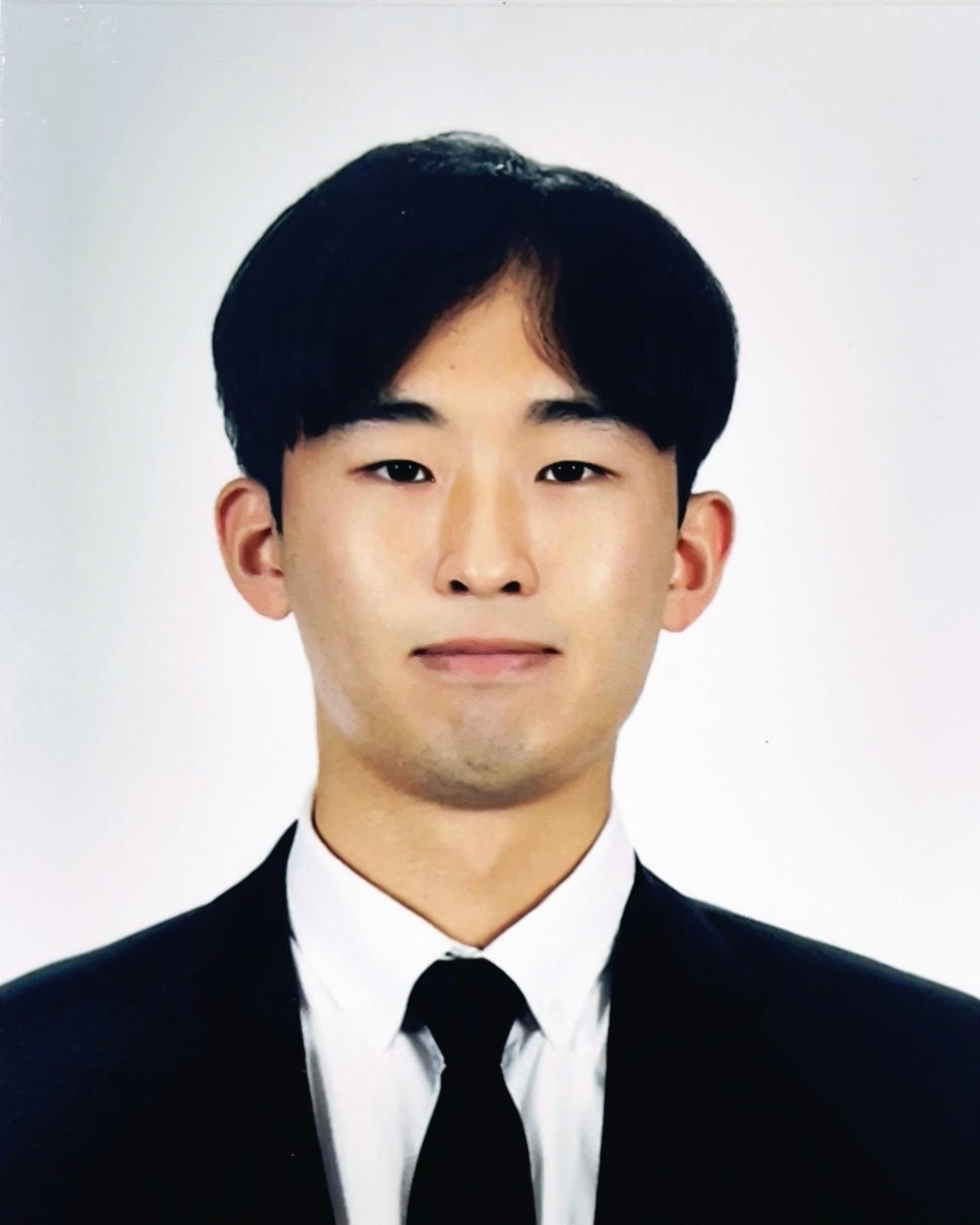
Chang Se-myeong (semyeongchangx7@korea.ac.kr) is a student at Korea University Graduate School of International Studies, majoring in international peace and security.
Source: The Korea Times

