Defense Ministry Confirms Hormuz Assessment Mission, Denies US Set November Deadline
Key Takeaways
- •The defense ministry said its team was sent to evaluate regional and security conditions around the Strait of Hormuz, not as a prelude to an automatic deployment.
- •Seoul denied that Washington requested the deployment of Korean assets to the Strait of Hormuz by a specific deadline.
- •A senior military source said the chance of sending Korean forces to the region in November appears extremely low.
- •South Korea is considering military contributions as part of a broader effort to help secure freedom of navigation in the strategic waterway.
- •Possible options under review include P-8A Poseidon patrol aircraft and explosive ordnance disposal personnel, while deploying the Soyang-class logistics support ship is seen as unlikely.
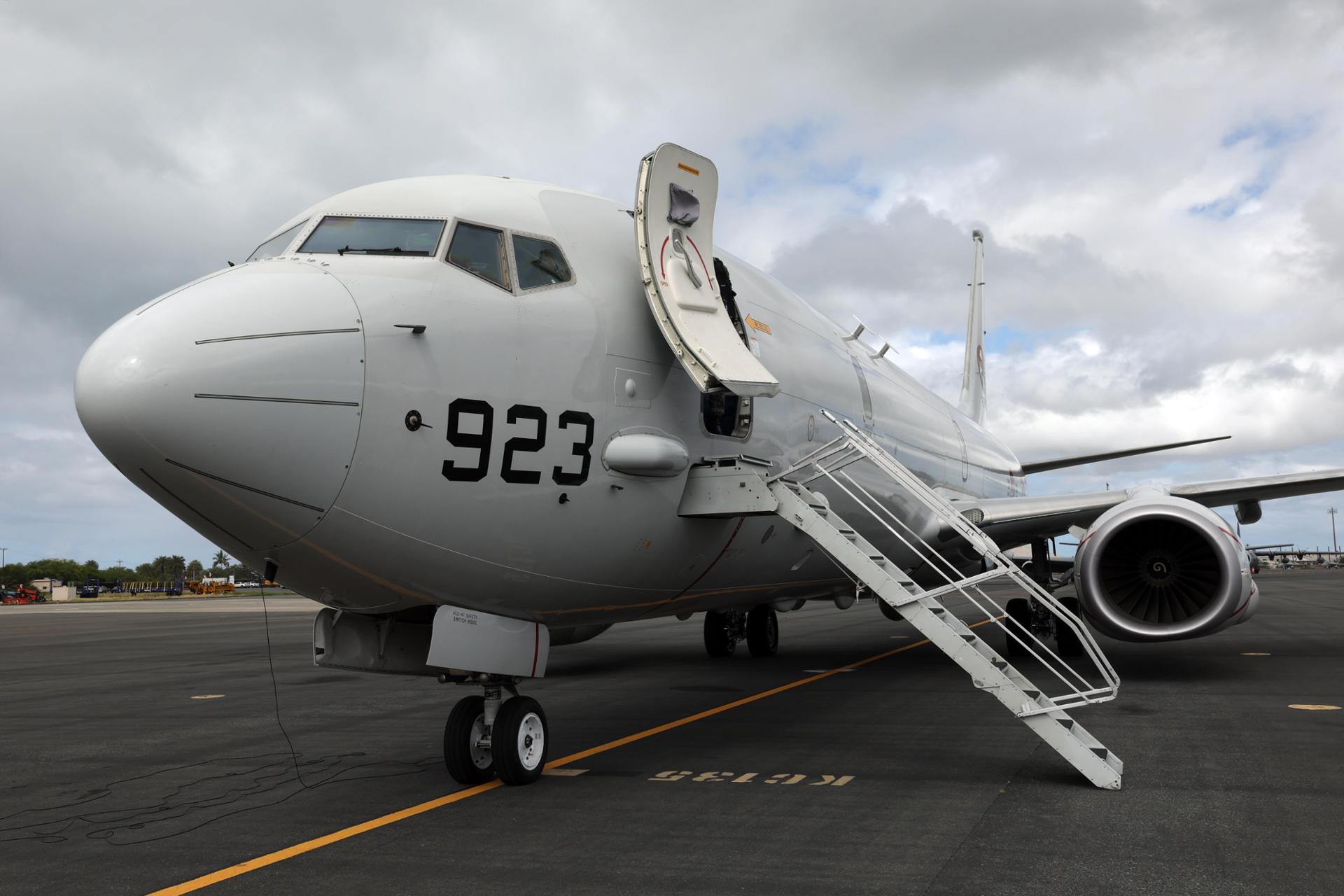
South Korea's defense ministry confirmed Tuesday that it dispatched a team to the Middle East to assess conditions around the Strait of Hormuz, but denied reports that the United States had asked Korea to deploy military assets there by November.
The ministry stressed that the team's mission was to evaluate the regional situation and security conditions, and was not carried out on the assumption that Korean forces would ultimately be deployed.
"The claim that the U.S. requested the deployment of our assets to the Strait of Hormuz by a specified deadline is not true," the ministry said in a statement, adding that no decision has been made regarding a possible deployment.
A senior military source also cast doubt on the possibility that Korean forces could be sent to the region as early as November. "The possibility of a deployment in November appears to be extremely low," the source told The Korea Times. "It is difficult to confirm an exact date at this point."
The ministry's statement came amid mounting speculation over when and how Korea could contribute to international efforts to secure freedom of navigation through the strategic waterway. The Strait of Hormuz is one of the world's most important chokepoints for seaborne oil trade, and South Korea — which imports the bulk of its crude oil from the Middle East — relies heavily on the route for its energy supply, making the security of shipping lanes there a direct national interest for Seoul.
The government has acknowledged that military options are among the forms of "substantive contribution" under consideration, but has repeatedly said that no specific plan has been decided.
Options discussed both within and outside the military include deploying P-8A Poseidon maritime patrol aircraft for surveillance and reconnaissance missions, as well as explosive ordnance disposal personnel for mine-clearing operations. Deploying the Navy's Soyang-class logistics support ship is considered unlikely because it would require a relatively large number of personnel.
Any decision to deploy forces would also have to take into account Korea's defense readiness and relevant domestic legal procedures. Depending on the nature and scope of the mission, parliamentary approval could be required. South Korea has previously contributed to international maritime security efforts in the region, including its anti-piracy Cheonghae unit operating off the Horn of Africa since 2009, though that deployment rests on its own legal framework.
The presidential office said last week that possible military contributions could range from combat participation to noncombat and search operations, and that the options remained under review.
