South Korea Moves to Tighten Crypto Transfers and Expand Account-Freezing Powers
Key Takeaways
- •South Korea's proposed measures would give authorities greater control over crypto-related financial flows, including transfers involving overseas exchanges and wallet providers.
- •The proposals would extend account-freezing powers beyond fraud-related cases to other serious crimes, potentially allowing suspected funds to be frozen before they are moved or withdrawn.
- •If adopted, the changes could make it harder to move crypto across borders and would increase compliance requirements for exchanges and other crypto service providers operating in South Korea.
- •The new measures would build on an existing framework that includes registration with the Financial Services Commission, real-name bank accounts, suspicious transaction reporting to KoFIU, the FATF travel rule enforced since March 2022, and the Virtual Asset User Protection Act effective July 2024.
- •No implementation timeline has been announced, and the next concrete signal for operators would be official guidance on how and when the proposed transfer controls and freezing powers would take effect.
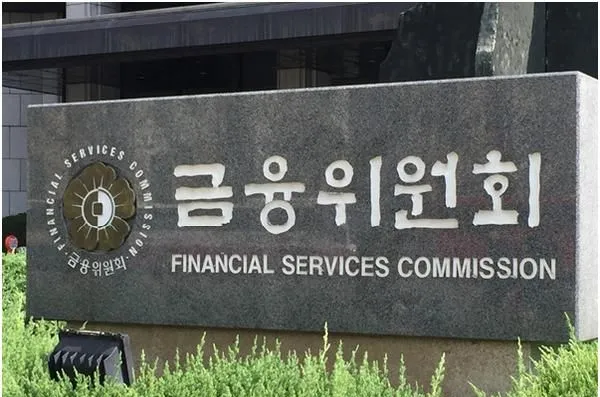
South Korea is moving to tighten controls over cryptocurrency transfers and broaden regulators' ability to freeze suspect accounts, under proposed measures that would give authorities greater control over crypto-related financial flows, including transfers involving overseas exchanges and wallet providers. The proposals come as Seoul intensifies its crackdown on illicit money movement. For South Korea's crypto sector, the measures would extend a compliance framework that has expanded steadily since 2021, adding controls on cross-border transfers to obligations operators already meet.
Expanded account-freezing powers
Authorities are also seeking to extend account-freezing powers beyond existing fraud-related cases to cover other serious crimes. Under the proposed framework, suspected funds could potentially be frozen before they are moved or withdrawn — a potential intervention point earlier in the movement of funds.
If adopted, the changes could make it harder to move crypto across borders while increasing compliance requirements for exchanges and other crypto service providers operating in South Korea. However, the broader account-freezing powers remain proposals rather than fully implemented measures.
Regulatory backdrop
South Korea is among the world's most strictly regulated crypto markets. Under amendments to its Financial Transactions Reports Act, virtual asset service providers have been required since 2021 to register with the Financial Services Commission, operate real-name bank accounts, and report suspicious transactions to the Korea Financial Intelligence Unit (KoFIU), South Korea's financial intelligence agency.
Since March 2022, South Korea has enforced the Financial Action Task Force's "travel rule," which obliges virtual asset service providers to share sender and recipient information for transfers exceeding 1 million won. In July 2024, the Virtual Asset User Protection Act took effect, adding safeguards for crypto users and criminal penalties for unfair trading practices. The new proposals would layer transfer controls and expanded freezing powers on top of that existing framework.
Korean authorities have previously moved against unregistered operators, including blocking 27 crypto websites operated by "unregistered providers", as previously reported by BitcoinKE.
The measures described remain proposals, and no implementation timeline has been announced. In the absence of a timeline, the next concrete signal for exchanges and wallet providers operating in South Korea would be official guidance on how, and when, the proposed transfer controls and freezing powers would take effect.

