Han Hak-ja's Sentencing and Lee Man-hee's Trial Raise Question of Why Religious Groups Face Political Restrictions in Korea
Key Takeaways
- •Han Hak-ja, the 83-year-old leader of the Family Federation for World Peace and Unification, was sentenced to two years in prison for political funding offences, including approving luxury gifts to former first lady Kim Keon Hee.
- •Shincheonji founder Lee Man-hee, 95, is on trial over allegations he ordered tens of thousands of members to join the People Power Party to influence its primaries and elections, with prosecutors citing over 56,000 member registrations between 2021 and 2024.
- •The columnist argues the prosecutions may be selective, as both religious groups supported, or allegedly supported, opponents of the current government, including opposition to President Lee Jae Myung stemming from his COVID-era criticism of Shincheonji.
- •South Korean law restricts political activity by churches, newspapers, and some associations while granting labor unions and NGOs greater campaign freedom, a framework rooted in the country's authoritarian past.
- •The author advocates separating prosecution of genuine corruption from legitimate political advocacy, suggesting religious organizations should be free to recommend candidates like unions do.
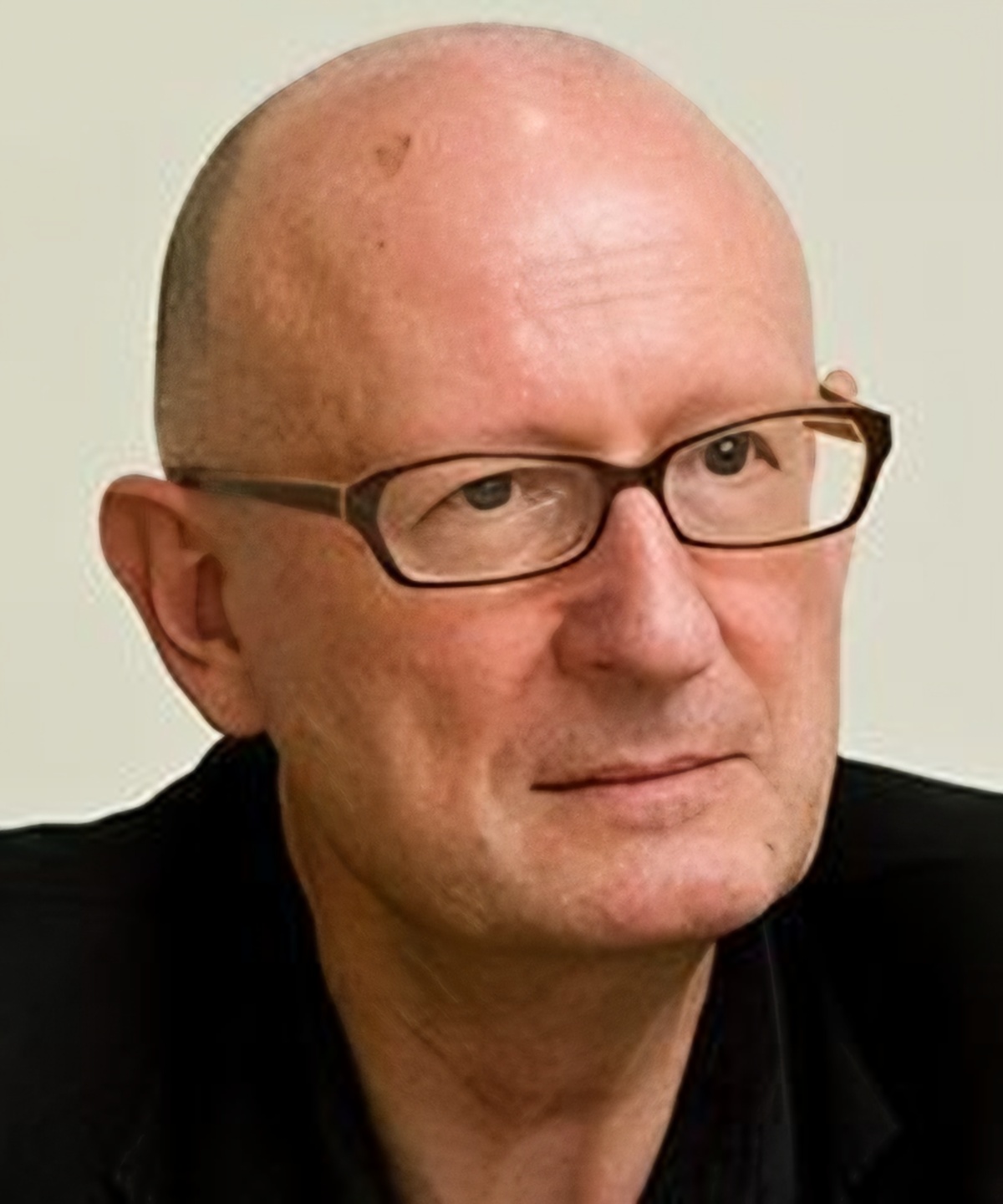
The sentencing of Han Hak-ja, leader of the Family Federation for World Peace and Unification, alongside the ongoing trial of Shincheonji founder Lee Man-hee, has surfaced a question that is rarely asked in South Korea: why are churches and certain social organizations so tightly restricted in their political involvement while others face few such limits?
Han, who is 83 and legally blind, was sentenced this week to two years in prison after being convicted of political funding and other offences. Among the charges was her approval of the delivery of luxury goods — including a Chanel handbag and a diamond necklace — to Kim Keon Hee, the former first lady, through an intermediary. Kim faces further proceedings over other alleged financial offences.
Lee Man-hee, 95, is currently on trial over allegations that he ordered tens of thousands of Shincheonji members to join the People Power Party in order to influence its primaries and elections.
Prosecutors have characterized the case as a serious instance of religious-political collusion, stating that they had uncovered "the first case in which a religious organization used its large-scale organizational power to influence the decision-making of a particular political party."
Yet what exactly is wrong with such conduct? The logic is clear under dictatorship — in North Korea, writing this column would be grounds for arrest. But in democratic South Korea, what is objectionable about churches maneuvering to get their preferred candidates elected?
As ordinary voters — honestly assessed — the likely response is: "Nothing, as long as they're not supporting the other side."
This may sound flippant. But examining why these cases have progressed this far, one might reasonably conclude that these are two instances of selective prosecution. Both new religions in the dock supported, or are alleged to have supported, opponents of the current government.
In the case of Han's Family Federation, formerly known as the Unification Church, political involvement is nuanced because the organization typically supports both sides. Like the conglomerates, it is keen not to make an enemy of an incoming administration. It builds relationships, makes approaches, and seeks influence — but shows little interest in actual policy.
Shincheonji's approach is more direct. Prosecutors say more than 56,000 of its members joined the People Power Party between 2021 and 2024. Why would they do so? The likely answer, though not confirmed with the members themselves, is that the purpose was deliberately to oppose Lee Jae Myung. As governor of Gyeonggi Province, where Shincheonji's headquarters are located, Lee attacked the church during the COVID-19 pandemic, accusing it of things it said it had not done and publicly humiliating its leader. The church was at the center of South Korea's first major COVID-19 outbreak in early 2020, which made it a focus of intense public and governmental scrutiny. Religious communities can be surprisingly sensitive to humiliation, and it is hardly surprising that so many Shincheonji members opposed him — even if the church planted the idea.
But should we not ask: so what? Is that truly a crime? Technically, in South Korea, it is. The roots of these restrictions lie in the country's authoritarian past, when governments organized bodies such as "youth groups" and village associations to hold political rallies and mobilize voters. Even after democratic elections became established, the suspicion of organizations deploying collective power to sway elections remained enshrined in law. The result is a complicated system in which individual citizens enjoy broad political freedom while organizations can find themselves sharply restricted. Similar questions about organizational political activity were raised in Japan after former Prime Minister Shinzo Abe's 2022 assassination, which was linked to the shooter's resentment of the Unification Church and prompted Tokyo to move toward dissolving the church's legal status there — showing that scrutiny of the church's political and financial ties is not confined to Korea.
Surely, by now, the electorate is more sophisticated. One illustration: even newspapers cannot endorse candidates. Readers may have noticed that at election time, the editorial pages of Korean newspapers — including this one — never declare, "We think Candidate A would be better for Korea than Candidate B." Election law imposes a duty of "fairness" on media organizations when reporting and commenting on parties and candidates, which is why coverage of the main parties is relatively equal and even fringe candidates receive a second tier of comparable coverage. In practice, newspapers must be extremely careful not to cross that line.
One might assume the same principle applies to labor unions and nongovernmental organizations — that they, too, are barred from saying, "We think Candidate A would be better for labor than Candidate B." They are not. The law has evolved to grant unions greater freedom to campaign, and the Constitutional Court has explicitly recognized this special treatment.
For other types of associations, there is no discernible logic. Alumni associations, for instance, may not support specific politicians or parties, while many civic groups can. Perhaps it is time for some consistency.
This is not an argument that churches should enjoy unrestricted political freedom; rather, the law should draw a clear distinction between corruption and legitimate advocacy. It is reasonable to prosecute Han Hak-ja and Lee Man-hee if they presided over corruption. But when it comes to favoring the parties and candidates they believe serve their interests and the country's, they should be free to recommend them to their members — just as unions and nongovernmental organizations are — even if they prefer a party or candidate that others personally disapprove of.
Michael Breen (mike.breen@insightcomms.com) is the author of "The New Koreans." The views expressed here are his own.
Source: The Korea Times

