South Korea Pledges Vigilance on Bond Market as Global Yields Hit Multi-Decade Highs
Key Takeaways
- •Long-term government bond yields in major economies, including the United States, Japan and Europe, have climbed to their highest levels in decades.
- •South Korea plans to closely monitor government bond issuance and trading conditions to help reduce borrowing costs for businesses and households.
- •Finance Minister Koo Yun-cheol cited higher fiscal spending and Middle East instability as factors adding pressure to global yields.
- •The Korean won traded at about 1,300 per U.S. dollar this week for the first time in 11 months after weakening to 1,550 in early July.
- •Koo said exchange-rate risks remain on both sides because of Middle East tensions and the monetary policies of major economies.
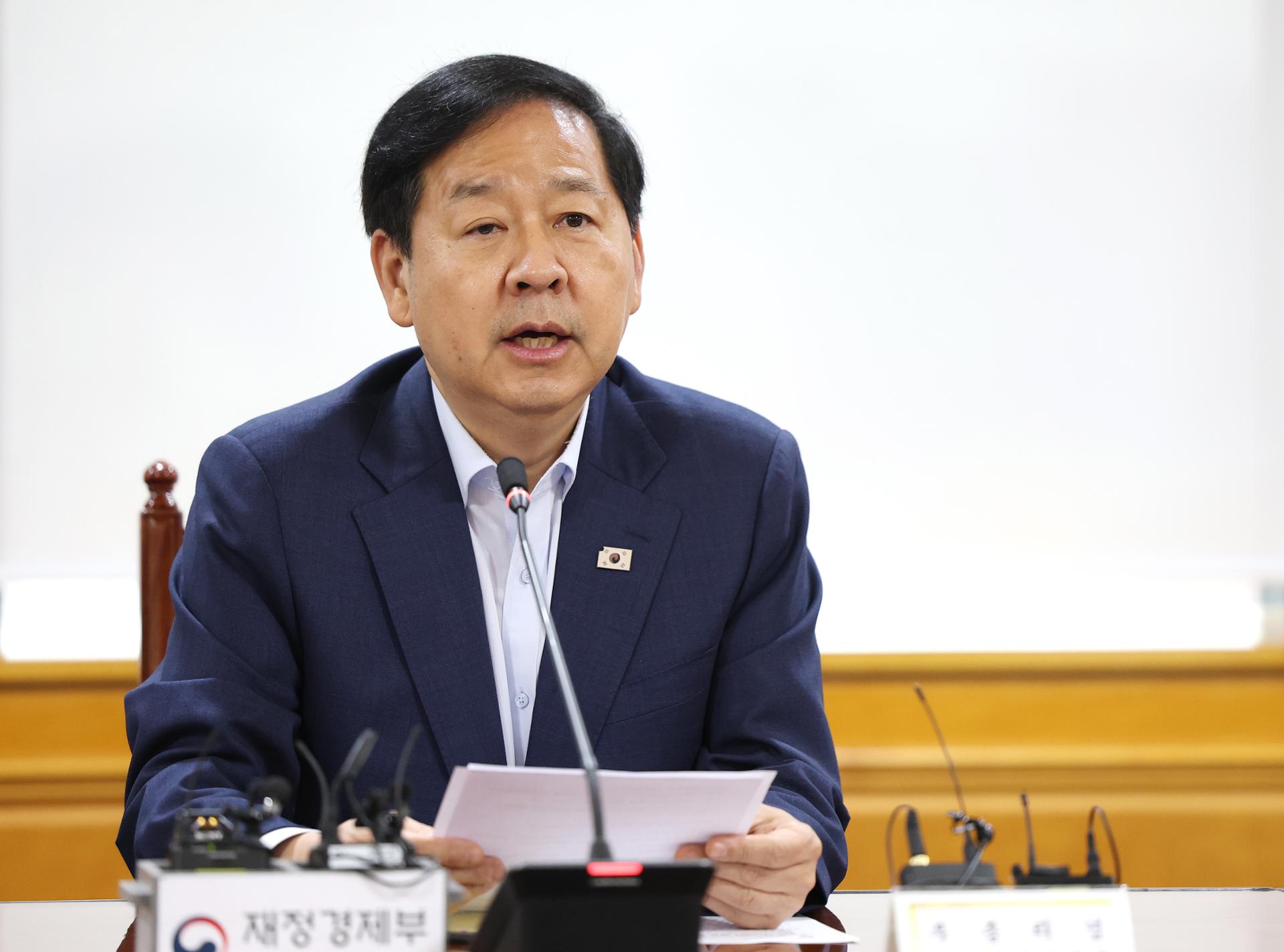
South Korea will closely monitor its government bond market as long-term yields in major economies climb to their highest levels in decades and economic uncertainties deepen, Finance Minister Koo Yun-cheol said Friday.
Speaking at a meeting with financial officials held at the Hall of Banks in Seoul, Koo — who concurrently serves as deputy prime minister for economic affairs — pointed to increased fiscal spending and instability in the Middle East as key pressures driving up long-term government bond yields.
"Amid increased fiscal spending and uncertainties stemming from the Middle East, long-term government bond yields in major economies, including the United States, Japan and those in Europe, are rising to their highest levels in decades," Koo said.
The meeting was also attended by Financial Services Commission Chairman Lee Eog-weon, Financial Supervisory Service Gov. Lee Chan-jin, and Bank of Korea Deputy Governor Park Jong-woo.
"The government will closely monitor issuance and trading conditions in the government bond market," Koo said, adding that Seoul will make efforts to minimize borrowing costs for businesses and households. With borrowing costs often moving alongside shifts in sovereign yields, officials signaled they are watching both funding conditions and market liquidity as global rate pressures filter through to domestic markets.
On the currency front, Koo noted that the Korean won traded at the 1,300-won level against the U.S. dollar this week for the first time in 11 months, after weakening to the 1,550-won level in early July. The won's recovery came as the country recorded a record current account surplus.
"However, considering geopolitical tensions in the Middle East and the monetary policies of major economies, there are both upside and downside risks to the exchange rate. The government will remain vigilant and respond to market volatility," Koo added.

