South Korean National Baseball Team to Open Training Camp One Week Ahead of 2026 Asian Games
Key Takeaways
- •South Korea's training camp begins September 14, with players reporting after completing their KBO club commitments through September 13.
- •Manager Ryu Ji-hyun's roster consists of 21 players under age 25 and three wild-card selections in the 25 to 29 age bracket, continuing the KBO's move toward younger squads.
- •The baseball tournament is scheduled for September 21 to 27 at Okazaki Central Park Baseball Stadium and Toyohashi Municipal Baseball Stadium in Aichi Prefecture, Japan.
- •South Korea will pursue its fifth straight Asian Games gold medal, having defeated Chinese Taipei in three of the past four finals.
- •Unlike the World Baseball Classic, MLB teams are not obligated to release players for the Asian Games, resulting in an all-KBO South Korean roster and an expected minor-league-heavy Chinese Taipei squad.
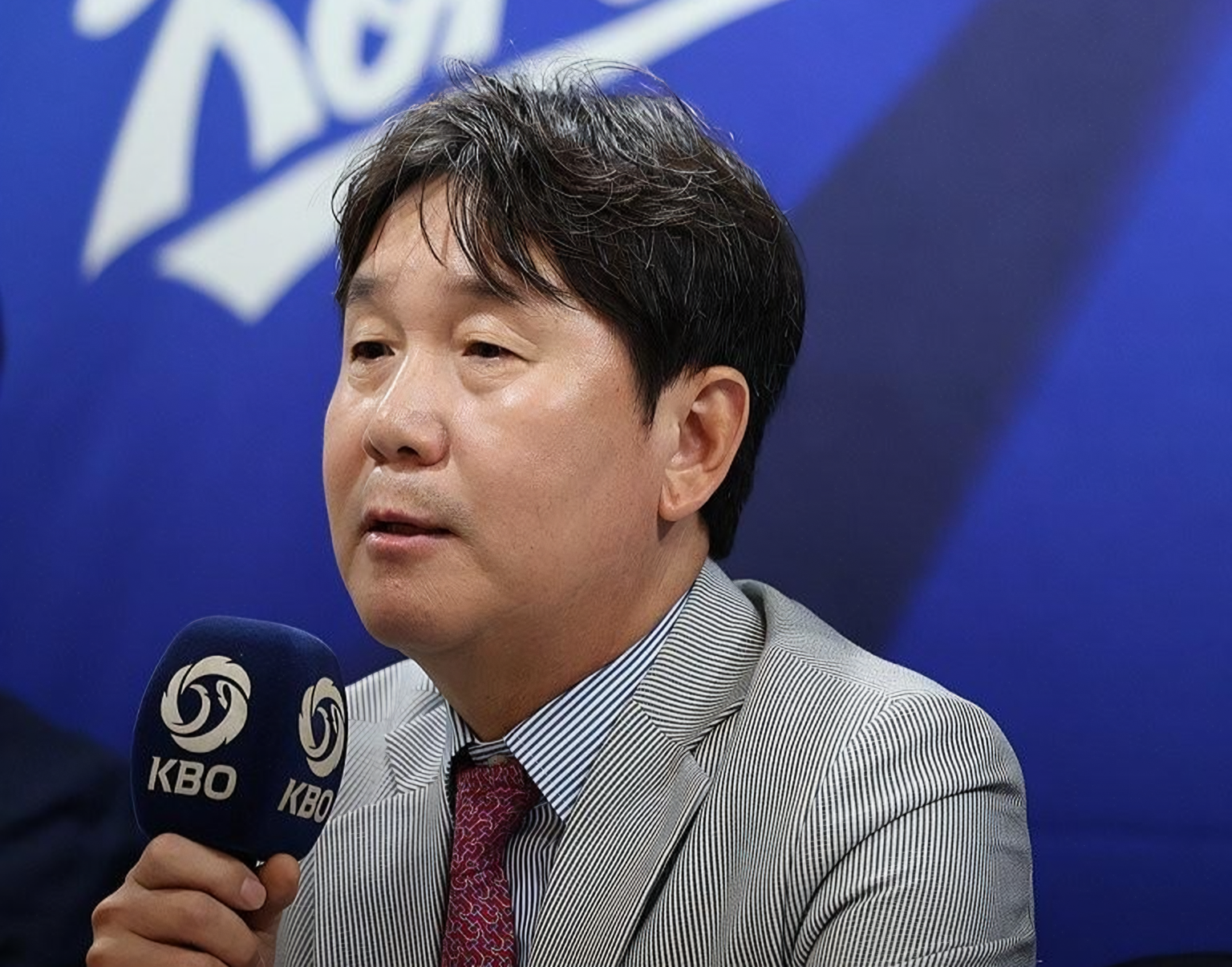
The South Korean national baseball team will open its training camp on Sept. 14, exactly one week before the start of the 2026 Asian Games baseball tournament in Aichi, Japan, an official announced Wednesday.
The Asian Games, held every four years as the continent's largest multi-sport event, occupy a unique position on the international baseball calendar: unlike the World Baseball Classic, Major League Baseball clubs are not required to release players for the tournament, which is why South Korea's squad is drawn entirely from the domestic Korea Baseball Organization (KBO) and Chinese Taipei is expected to feature minor-league players rather than established major leaguers.
The national squad will conduct camp domestically before departing for Nagoya on Sept. 17. The KBO regular season will continue uninterrupted during the competition period. Players selected for the national team will fulfill their club obligations through Sept. 13 before reporting for international duty.
The baseball tournament is scheduled to run from Sept. 21 to 27 across two venues: Okizaki Central Park Baseball Stadium in Okazaki, approximately 35 kilometers southeast of Nagoya, and Toyohashi Municipal Baseball Stadium in Toyohashi, roughly 60 kilometers southeast of Nagoya.
Under manager Ryu Ji-hyun — who announced his roster at a press conference in Seoul on June 11 — South Korea will pursue its fifth consecutive Asian Games gold medal, a streak that began in Guangzhou in 2010 and continued through Incheon (2014), Jakarta-Palembang (2018), and Hangzhou (2023).
For the preliminary round, South Korea has been drawn into Group B alongside Chinese Taipei, Hong Kong, and Thailand. South Korea's opening match will be against Chinese Taipei at 6:30 p.m. on Sept. 21 in Okazaki. Group A consists of host nation Japan, China, the Philippines, and Palestine. Following round-robin play, the top two teams from each group will advance to the Super Round.
Japan traditionally sends semi-professional players rather than stars from Nippon Professional Baseball to the Asian Games and has won only one gold medal in the tournament's history, achieved as the host nation in Hiroshima in 1994. As host nation again in 2026, Japan will look to leverage home-field advantage across the two Aichi Prefecture venues.
Chinese Taipei is widely regarded as South Korea's primary rival at the competition. While its roster has not yet been finalized, Chinese Taipei is expected to feature players from U.S. and Japanese minor leagues. South Korea and Chinese Taipei have met in three of the past four Asian Games finals, with South Korea prevailing on each occasion.
All South Korean male athletes who have not completed their mandatory military service are granted an exemption by winning an Asian Games gold medal. Following years of criticism over the selection of older, undeserving players primarily to secure that exemption, the KBO — the governing body of professional baseball in South Korea — shifted toward younger rosters beginning with the 2023 Asian Games in Hangzhou, China.
For the 2026 squad, the KBO selected 21 players under the age of 25, along with three "wild card" players in the 25–29 age bracket.
Manager Ryu recently completed a scouting trip to observe Chinese Professional Baseball League games in Taiwan and plans to travel to Tokyo later this month to evaluate Asian Games-bound players at a semi-professional tournament.
