South Korea to Impose Antidumping Duties on Chinese Butyl Acrylate
Key Takeaways
- •South Korea will impose antidumping duties of 8.32% to 19.17% on Chinese butyl acrylate imports, effective Sept. 28 through Sept. 27, 2031.
- •The duties follow a Korea Trade Commission investigation launched in September 2025 after a complaint filed by LG Chem Ltd.
- •Chinese products accounted for 47% of South Korea's butyl acrylate market, valued at about 100 billion won ($73 million) in 2024.
- •Butyl acrylate is a chemical used in producing paints, coatings, adhesives, plastics, and textiles, so the duties could affect input costs for these downstream industries.
- •The decision is part of a broader series of South Korean trade remedies targeting Chinese chemical imports amid increased Chinese petrochemical exports.
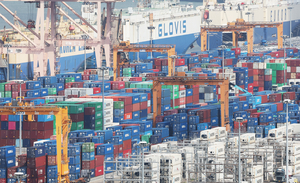
South Korea's finance ministry decided on Tuesday to impose antidumping duties on Chinese butyl acrylate, concluding that the imports had harmed the domestic industry.
The Ministry of Finance and Economy said it will levy duties ranging from 8.32 percent to 19.17 percent on imported products, following an investigation by the Korea Trade Commission.
The duties will take effect on Sept. 28 and remain in place through Sept. 27, 2031.
A formal probe was launched in September 2025 after a complaint was filed by LG Chem Ltd.
The domestic market for butyl acrylate was estimated at about 100 billion won ($73 million) in 2024, with Chinese products accounting for 47 percent of that share.
"The measure will help remedy the damage caused to the domestic industry by low-priced dumped imports and correct market distortions caused by unfair pricing," the ministry said.
Butyl acrylate is a clear, colorless chemical used in the manufacture of various paints, coatings, and adhesives. It is also used in the production of plastics and textiles.
The decision is the latest in a series of trade remedies South Korea has applied against Chinese chemical imports, reflecting broader trade friction between the two countries as Chinese petrochemical producers, backed by large capacity expansions, have increased exports to overseas markets. For downstream industries such as paints, coatings, adhesives, plastics, and textiles that rely on butyl acrylate as a raw material, the duties could affect input costs depending on how much of the supply shifts to domestic or alternative foreign producers. (Yonhap)
