South Africa Turns to WhatsApp to Register Young Voters Ahead of Local Elections
Key Takeaways
- •South Africa's IEC introduced a WhatsApp voter registration service ahead of the November local government elections to reach younger and lower-income citizens who rely heavily on smartphones.
- •The registration process requires OTP authentication, ID document uploads, address verification, and voting station confirmation to safeguard the integrity of the voters' roll.
- •South Africans completed 1.7 million registration-related transactions during the final registration weekend, including 291,016 first-time registrations.
- •Voters aged 16 to 29 submitted 46% of all new registrations, indicating that digital platforms are resonating with younger demographics.
- •Despite increased registration accessibility, youth turnout at South African local elections has been declining, driven by high unemployment, service delivery failures, and political disillusionment.
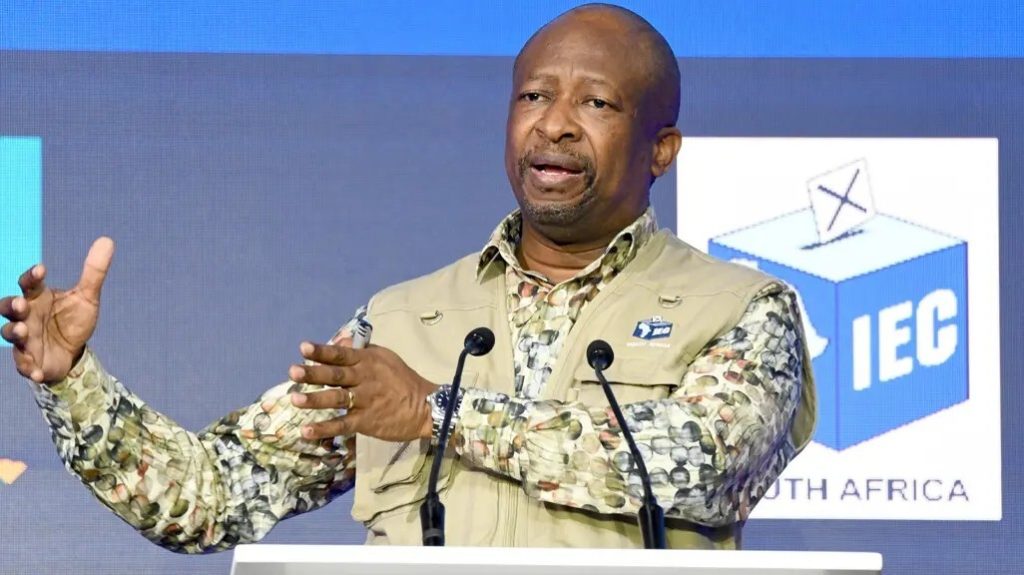
South Africa's Independent Electoral Commission (IEC) has launched a voter registration service on WhatsApp, aiming to attract more young citizens to the democratic process ahead of the country's November local government elections.
The service, introduced ahead of Friday's registration deadline, allows eligible citizens to register or update their voting details through WhatsApp — South Africa's most widely used messaging platform. The registration process relies on OTP authentication, ID document uploads, address verification, and voting station confirmation.
WhatsApp's ubiquity in South Africa is rooted in part in mobile network operators offering discounted or zero-rated WhatsApp data bundles, making it one of the cheapest ways for citizens to communicate. That accessibility makes it an attractive channel for public services targeting lower-income and younger demographics who may lack reliable access to desktop internet but rely heavily on smartphones.
Sy Mamabolo, IEC Chief Electoral Officer, said the commission selected WhatsApp because it is already embedded in the daily routines of millions of South Africans.
"By leveraging a platform used daily by millions of South Africans, the commission is expanding access to voter registration, improving convenience and ensuring that more eligible voters can register or update their details before the close of the registration period," Mamabolo said. He added that the platform's identity verification measures are designed to safeguard the integrity of the voters' roll.
The IEC's digital outreach appears to be resonating with younger demographics. Nearly half a million voter registration transactions during the commission's final registration drive came from individuals aged 16 to 29, while 46% of all new registrations were submitted by voters under 29.
Overall, South Africans completed 1.7 million registration-related transactions during the final voter registration weekend, including 291,016 first-time registrations. The IEC's online registration portal accounted for 238,000 of those transactions.
Kate Bapela, the IEC's spokesperson, told TechCabal that digital services have played a significant role in drawing younger voters into the registration campaign.
"We have seen a significant increase in the number of young people participating, largely because of the digital platforms we've made available," Bapela said. "Online registration has been successful, and the latest addition is the WhatsApp registration service."
She said the commission's objective is to eliminate as many barriers as possible for first-time voters ahead of the November local government elections.
"It's looking good. We are pleased that we have been able to provide as many registration platforms as possible for young South Africans so that we don't miss them," Bapela said. "People like you and me have long been registered, but it's the new generation we want to bring into the electoral process, and they're really taking advantage of these opportunities."
Demand surged as the registration deadline approached. Speaking to TechCabal on Friday, hours before registration closed, Bapela said the IEC's digital platforms were operating "at full capacity" as South Africans rushed to submit their details.
For the IEC, WhatsApp represents the latest step in a broader effort to digitise voter services. While physical voting stations remain central to elections, the commission has been leveraging technology to reduce registration friction, particularly for younger citizens who are more accustomed to mobile platforms than queuing at government offices.
The initiative also reflects a wider trend across several African electoral bodies experimenting with digital tools, from biometric voter registration to SMS-based verification systems, as they seek to modernise electoral processes on a continent where mobile-first internet access is the norm for hundreds of millions of people.
The registration figures point to strong digital engagement, but whether easier registration will translate into higher turnout remains an open question. South Africa's local government elections, which govern municipal services such as water, electricity, sanitation, and housing, have seen declining voter participation in recent cycles. Youth turnout has been particularly weak, a trend widely attributed in part to persistent unemployment — South Africa's jobless rate among those aged 15 to 34 has consistently ranked among the highest in the world — alongside frustration over service delivery failures and slow economic progress. Lowering barriers to entry addresses one obstacle to participation, but it does not necessarily resolve the political disillusionment that has depressed youth turnout. Ultimately, converting newly registered voters into actual voters may depend less on technology and more on whether political parties can persuade them that casting a ballot is worthwhile.

