Solar-Backed PAC Claims Third Republican Scalp as Clean Energy Donors Target Trump Allies
Key Takeaways
- •The Invest in Tomorrow Coalition PAC spent $2 million to help defeat Representative Andy Ogles in Tennessee's Republican primary, an amount exceeding the combined spending of both candidates.
- •Ogles is the third Republican targeted by the PAC to lose an election this year, following Texas Representative Chip Roy and South Carolina Representative Ralph Norman, all of whom sought to expedite the elimination of renewable energy incentives.
- •Ripple co-founder Chris Larsen contributed $6 million of the PAC's $6.8 million total budget and modeled the effort after the cryptocurrency industry's Fairshake super PAC.
- •The PAC deliberately avoided mentioning clean energy in its advertising, instead attacking Ogles for missed congressional votes and promoting his challenger's conservative credentials.
- •The organization also supports cooperative Republicans, spending $125,000 to back Iowa Representative Mariannette Miller-Meeks, who chairs the Conservative Climate Caucus.
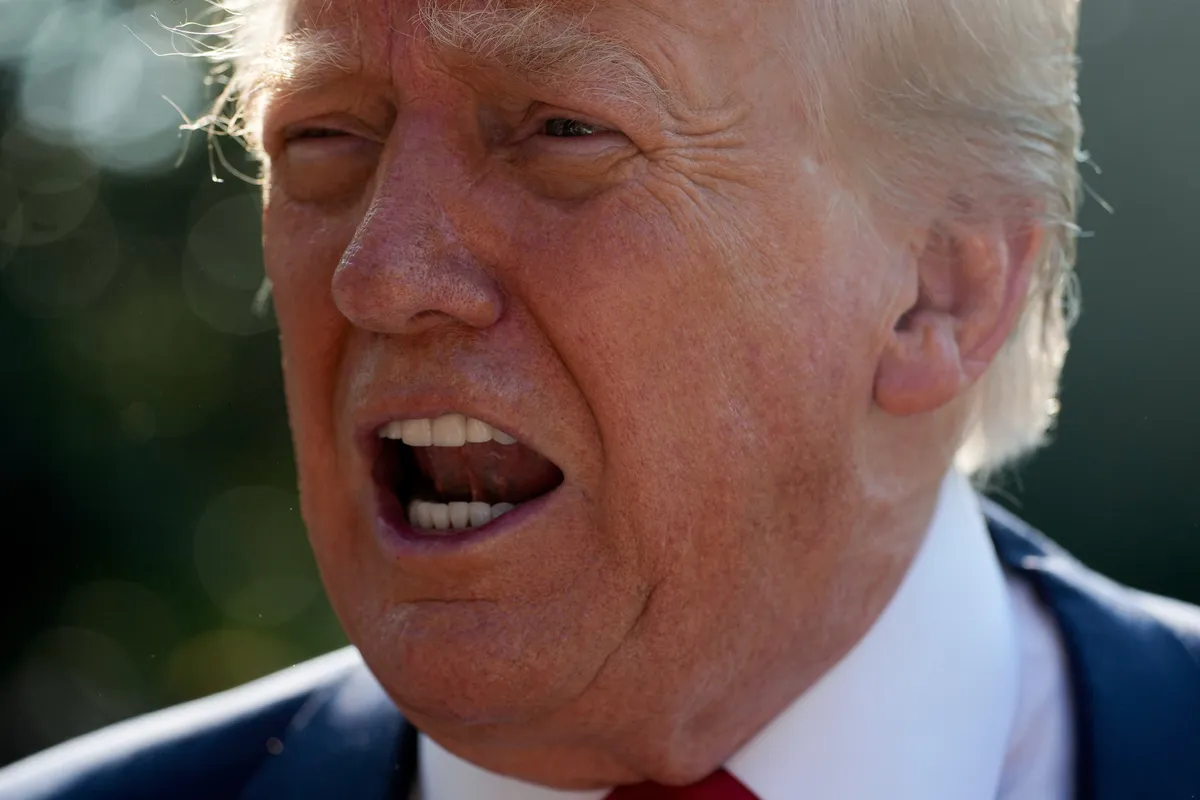
President Donald Trump has long made no secret of his hostility toward clean energy, frequently attacking wind turbines and solar power at campaign rallies and taking steps to dismantle renewable energy initiatives during his presidency. Now, a rapidly growing political operation is working to hold Republican lawmakers accountable for aligning with that stance.
The Invest in Tomorrow Coalition PAC, supported by solar industry executives, secured its most significant victory Thursday by helping defeat Rep. Andy Ogles (R-TN) in his primary, according to Politico. The PAC spent $2 million on efforts opposing Ogles and promoting his primary challenger, Charlie Hatcher — an amount exceeding the combined spending of both candidates.
Ogles is now the third Republican in the group's crosshairs to lose an election this year. He follows Texas Rep. Chip Roy, whose bid for attorney general fell short, and South Carolina Rep. Ralph Norman, who was defeated in his gubernatorial campaign. All three lawmakers had pressed congressional leadership to expedite the elimination of renewable energy incentives, including tax credits established under the Inflation Reduction Act that have driven record-level solar deployments across the country.
"The entire map is in play and we will take this fight across the country through November," said Tom Matzzie, CEO of CleanChoice Energy and chair of the PAC.
Notably, the PAC's advertising never directly referenced clean energy. Instead, the ads attacked Ogles for missed congressional votes and highlighted Hatcher's conservative credentials — a deliberate strategy aimed at avoiding the type of anti-renewable backlash that Trump has cultivated over the years.
Chris Larsen, co-founder and executive chairman of Ripple, contributed $6 million of the PAC's $6.8 million total and has described the campaign as "political warfare," drawing on tactics modeled after the cryptocurrency industry's Fairshake super PAC, which spent over $100 million in the 2024 cycle backing pro-crypto candidates across party lines. Co-founder Michael Brune, previously executive director of the Sierra Club, was even more direct: "We've got to continue our retribution tour and take out a few more members who have voted the wrong way."
Trump personally weighed in on Ogles's behalf, praising him as "a friend of mine" and "a terrific guy" during a July tele-rally — a rare decision by the president to engage directly with a race the PAC had targeted. He notably did not intervene in the Roy or Norman contests.
Ogles responded defiantly, dismissing the PAC's primary benefactor as "some libtard in California" and cautioning that his defeat would produce "a chilling effect" on conservative members of Congress.
The organization's approach is not exclusively punitive. In June, it spent $125,000 supporting Iowa Rep. Mariannette Miller-Meeks, who chairs the Conservative Climate Caucus, signaling to Republican lawmakers that cooperation carries tangible rewards.

