Only 25 Wallets Cleared $10,000 as Solana Meme Coin Trading Surges
Key Takeaways
- •Only 25 wallets earned over $10,000 in a 90-day period on the FOMO app dashboard, while one trader known as Kupzee reportedly made more than $5 million with a roughly 68% win rate.
- •Of more than 300,000 Solana traders tracked over 90 days, only about 19,000 (roughly 6%) were profitable, the median trader lost $120, and nearly 90% of profitable accounts earned under $100.
- •CoinGecko research found about 73% of Pump.fun traders were profitable in April, but roughly nine in ten winning wallets made less than $500.
- •The share of new Pump.fun tokens graduating to open trading hit 6.7% on July 24, roughly eight times June's average of about 0.25%.
- •Pump.fun and PumpSwap each surpassed $1 billion in daily volume on July 4 for the first time since April 8, alongside over 300,000 tokens created and more than $5 billion in weekly meme coin volume.
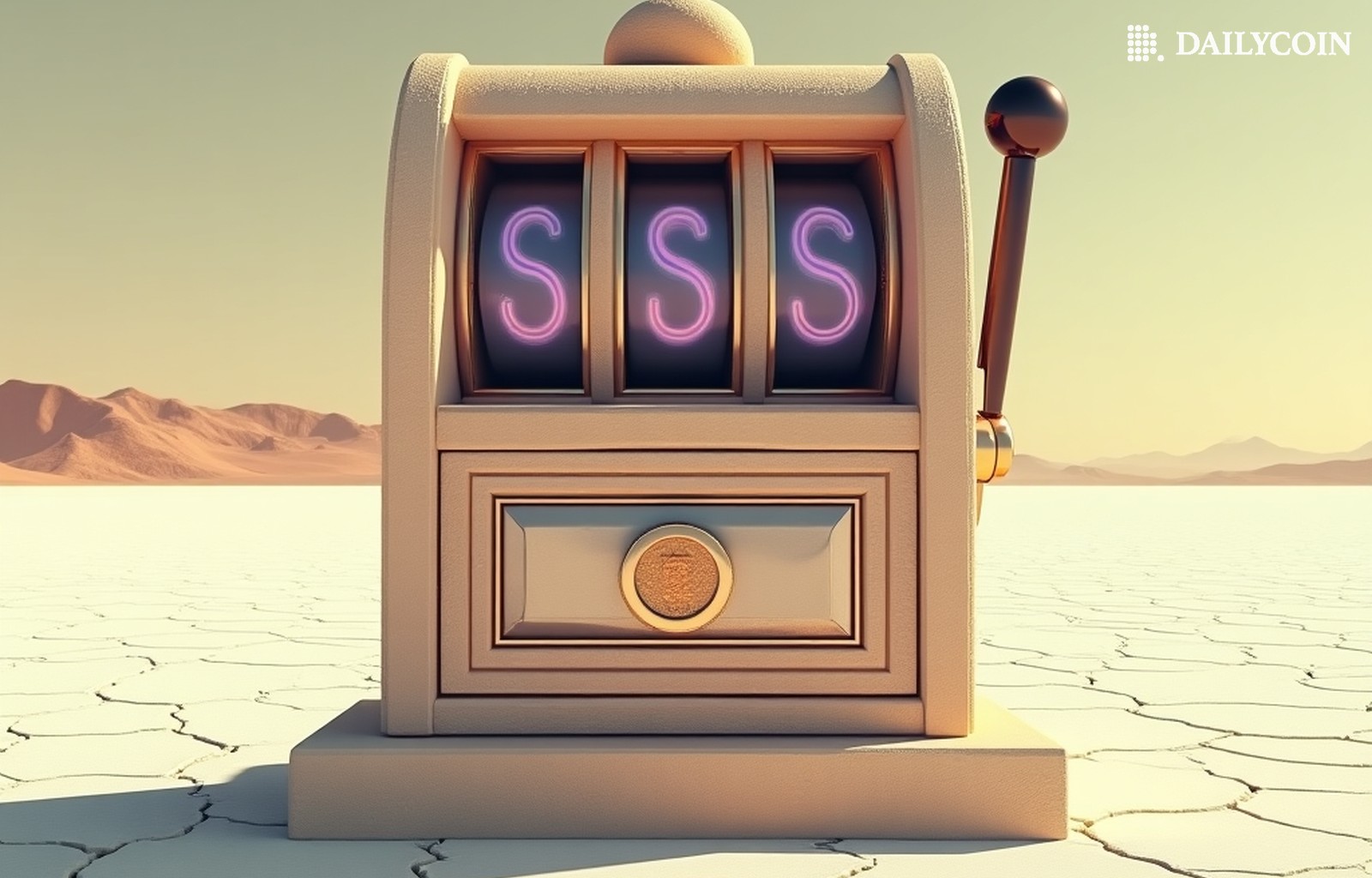
Only 25 wallets earned more than $10,000 over a 90-day period tracked by the FOMO app dashboard, according to figures cited by the host of a new video examining the return of meme coin trading. The claim stands in stark contrast to the flood of social-media posts showing traders turning small Solana positions into six-figure gains.
Solana has become a hub for meme coin speculation because its low transaction fees and fast confirmation times make high-frequency trading of newly launched tokens economically viable in a way that is harder on higher-cost networks.
Fire Hustle argues that some of the headline-making wins are verifiable, because trades are recorded on public blockchains and wallet-leaderboard services can track realized profits.
One trader, identified as “Kupzee,” reportedly earned more than $5 million over three months with an approximately 68% win rate, while another trader’s $300 position allegedly grew to $200,000.
A booming market with brutal odds
The central warning of the YouTube episode is that such results are exceptional. More than 300,000 traders were active on Solana during the cited 90-day window, but only about 19,000 — roughly 6% — finished profitable. The median trader lost $120, and nearly 90% of profitable accounts earned less than $100. Those figures echo a broader pattern documented across speculative crypto markets, where a small share of participants captures most of the gains while the majority of retail traders lose money.
CoinGecko research cited in the video found that around 73% of Pump.fun traders were profitable in April. Yet roughly nine in ten of those winning wallets made under $500, suggesting that positive trade counts have not necessarily translated into meaningful returns.
Pump.fun is a Solana-based launchpad that lets anyone create a token in minutes without coding; tokens that attract enough liquidity “graduate” to decentralized exchanges for open trading, a milestone most launches never reach.
Fire Hustle also points to an ACM Web Conference paper describing how copy trading has shaped the market. Automated accounts may front-run visible wallets, fragment positions across multiple addresses, and inflate social activity around tokens, making it harder for retail traders to identify genuine demand.
Sniper bots can buy within the first one to five blocks after a token is created — a speed advantage manual traders cannot match.
Graduation rates rebound as launchpad activity returns
After a weak June, Pump.fun activity appeared to recover in July. The video says the share of new Pump.fun tokens “graduating” from the launchpad to open trading reached 6.7% on July 24, roughly eight times June’s average of about 0.25%.
Pump.fun and PumpSwap each reportedly surpassed $1 billion in daily volume on July 4 for the first time since April 8. More than 300,000 tokens were created across Solana launchpads in a single week, alongside more than $5 billion in weekly meme coin volume, according to the figures presented.
Fire Hustle’s approach favors tokens that have already migrated, followed by checks for copied contracts, artificial-looking charts, and weak social narratives. Even then, the episode stresses that most launches fail.
While the renewed activity may signal another speculative cycle on Solana, the distribution of profits remains sharply concentrated among a small group of fast, well-equipped traders. How long graduation rates and volumes hold up as the cycle matures is the key metric to watch.

