Stubborn Inflation, Erratic Hiring — What It Means for Natural Gas Demand
Key Takeaways
- •A softening US economy and slower global activity could reduce natural gas demand heading into the fall shoulder season.
- •Industrial gas consumption is economically sensitive and any drop in factory output would compound the seasonal decline in cooling demand.
- •US hiring has been choppy, inflation remains elevated, and high interest rates continue to pressure debt costs.
- •Demand is not uniformly weak, as gas-fired power generation surged during late-summer heat and LNG feedgas volumes have been strong.
- •Upcoming government data on jobs, inflation and industrial activity will indicate whether the softening economic trend is confirmed.
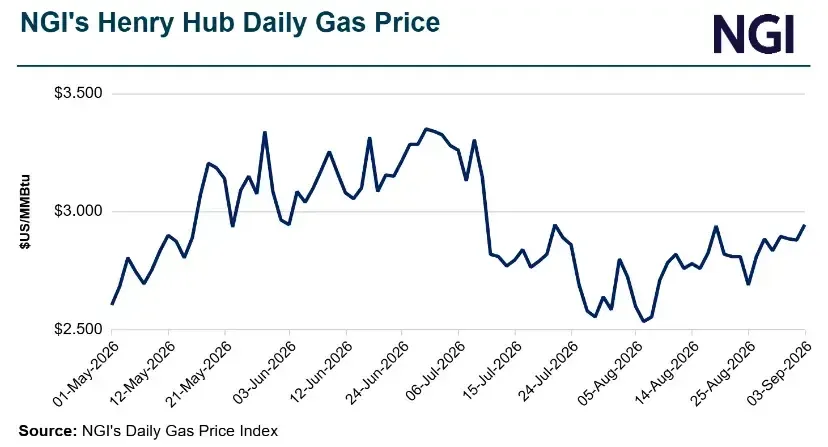
Despite a resilient job market in August, a broadly softening US economy and slower global activity could take some heat out of natural gas demand just as end-of-summer cooling needs fade. The macro backdrop matters for gas because industrial consumption — a major demand pillar alongside power generation, residential and commercial heating, and LNG exports — is sensitive to economic cycles, and any cooling in factory output would compound the seasonal drop in air-conditioning load heading into the fall shoulder season, when mild temperatures typically curb both heating and cooling demand.
At the same time, the demand picture is not uniformly soft. As the related coverage below shows, gas-fired power generation has been running hard during late-summer heat, LNG feedgas volumes have been strong, and regional storage surpluses, while narrowing, remain a factor — meaning any macro-driven demand drag would be set against physical-market tightness in some regions. What to watch next is whether upcoming government data on jobs, inflation and industrial activity confirm the softening trend, and how quickly shoulder-season weather erodes cooling load.
At a Glance
- Economic easing could drag on natural gas demand
- US job market is choppy, with inflation still elevated
- Interest rates remain high, pressuring debt costs
Reported by Kevin Dobbs for Natural Gas Intelligence. Source: NGI
Related Coverage from NGI
-
California Natural Gas Generation Roars Back as Summer Tests Battery Buffer (September 4, 2026) — Natural gas-fired generation in California surged to a three-year high in late August as a Southwest heat wave and a slump in solar output forced the state's grid to lean harder on thermal plants, helping send regional spot prices sharply higher after months of abundant supply.
-
New England's January Natural Gas Prices Retreat From $22 as Egress Advances (September 4, 2026) — Forward curves at key New England natural gas hubs are pricing substantial relief in subsequent years following an exceptional winter premium in the coming heating season.
-
Will Resilient Summer Demand Buck Up Natural Gas Futures? (September 4, 2026) — Natural gas futures ticked up early Friday as market participants digested a narrowing but still substantial storage surplus, choppy yet seasonally solid production, robust late-summer cooling demand and strong LNG volumes.
-
Spot Natural Gas Prices Soar as OFOs Abound (September 3, 2026) — Strong cooling demand and pipeline operational constraints drove dramatic regional price spikes in the physical natural gas market on Thursday.
-
Shrinking Surpluses, Steamy Forecasts Fail to Rally Natural Gas Futures (September 3, 2026) — Despite unseasonably hot near-term forecasts and formidable year/year storage deficits in multiple regions, natural gas futures lost ground on Thursday.
-
Cove Point LNG Outage to Cut Appalachian Natural Gas Demand (September 3, 2026) — Annual maintenance at Cove Point LNG in Maryland could remove about 850 MMcf/d of feedgas demand from Appalachia for up to three weeks starting Sept. 19 if recent outage patterns repeat, just as the fall shoulder season weighs on power demand.
