Central Bank Gold Buying Halves in July as Investor Demand Steps In
Key Takeaways
- •Net central-bank gold purchases dropped 54% to 23 tonnes in July from 51 tonnes in June, with China and Poland the largest buyers and Russia a seller.
- •Gold ETFs drew $3 billion of net inflows in July, ending two straight months of outflows and lifting holdings by 23 tonnes to 4,068 tonnes.
- •The World Gold Council expects investment to be the main source of gold-demand growth for the rest of 2026, with central banks still on track for a strong net-buying year.
- •Poland leads official buying this year with 90 tonnes added through July, taking reserves to 640 tonnes, while China has bought for 21 consecutive months.
- •The Dutch central bank moved 86 tonnes of gold from North America toward London and domestic vaults, reflecting growing sovereign focus on storage locations.
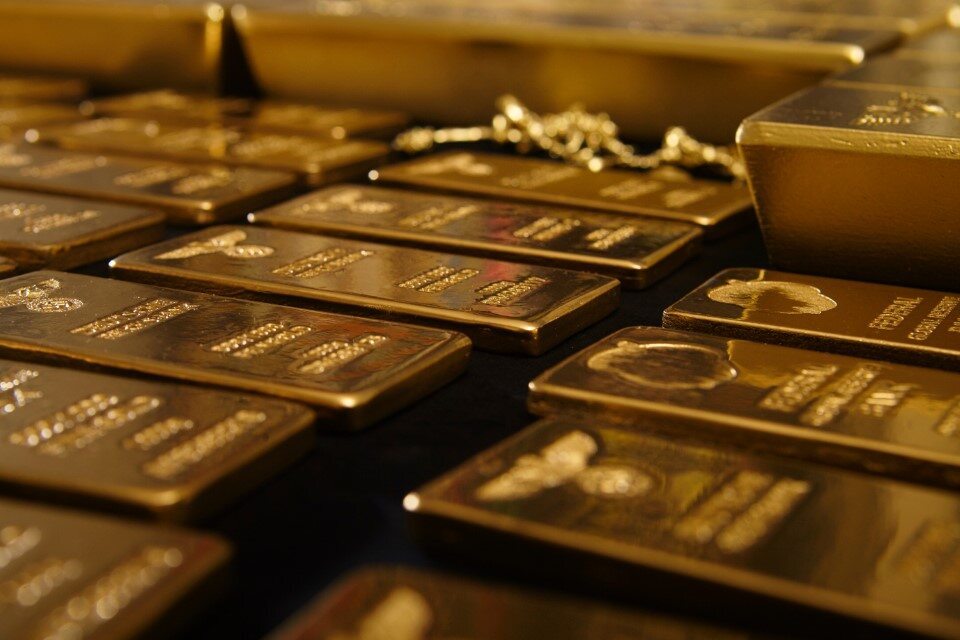
Central-bank gold purchases fell by more than half in July even as bullion held near record highs, a sign that investment demand is playing a larger role in underpinning the market.
Net official-sector purchases dropped 54% to 23 tonnes in July, down from 51 tonnes in June, according to new World Gold Council data. China and Poland led buying with 20 tonnes and eight tonnes respectively, while Russia sold six tonnes. Turkey, Jordan and Uzbekistan each sold roughly one tonne.
The moderation does not by itself undermine the bullish picture. In its outlook, the WGC said investment is expected to be the principal source of gold-demand growth through the remainder of 2026, while central banks remain on track for another strong year of net purchases even if annual demand finishes below the 2025 total.
Through July, central banks reported purchases of about 130 tonnes, compared with roughly 160 tonnes over the same period last year. BMO analysts Helen Amos and George Heppel said in a note that official-sector buying nonetheless remains elevated by historical standards and continues to provide underlying support for the gold market. That stands in contrast to the decade before 2022, when net official-sector demand ran at much lower levels on average, making the recent buying pace a structural shift rather than a given.
Investors return
Gold initially shrugged off the July central-bank figures, trading above $4,475 per oz. on Thursday before turning sharply lower on Friday after fresh U.S. employment data revived interest-rate concerns. U.S. employers added 162,000 jobs in August while the unemployment rate held at 4.1%, the Labor Department said Friday. The reaction underscores a defining feature of this cycle: with central banks buying steadily and investors rotating in and out, bullion has remained sensitive to shifts in U.S. rate expectations, which affect the opportunity cost of holding a non-yielding asset.
Investor demand helps explain why bullion held up even as official buying cooled. Global physically backed gold exchange-traded funds drew $3 billion of net inflows in July, reversing two consecutive months of outflows, according to ETF data. Holdings rose by 23 tonnes to 4,068 tonnes, almost exactly matching net central-bank purchases for the month.
European-listed funds led the rebound, while year-to-date global inflows reached $11 billion, equal to a 39-tonne increase in holdings. Asian-listed funds remained the biggest contributors for the year, followed by Europe, while North America stayed in net outflow territory.
The figures complicate the simple narrative that central banks alone are setting gold's marginal bid. Official demand remains a pillar, but investor flows are again carrying more of the load.
Poland remained the largest official buyer this year, adding 90 tonnes through July and lifting its reserves to 640 tonnes, about 28% of total reserves and close to its 700-tonne target. China has bought gold for 21 consecutive months, adding 60 tonnes year to date and taking reported holdings to about 2,366 tonnes. Uzbekistan, by contrast, sold one tonne in July after buying 40 tonnes earlier this year.
"Gold has turned out to be the best investment so far," Central Bank of Uzbekistan Governor Timur Ishmetov said, according to the WGC data, while signalling the bank could sell at favourable prices as part of reserve management.
Storage shifts
Increasingly, the question is not only how much gold central banks hold but where they keep it. A WGC survey this year showed 9% of respondents intend to diversify overseas storage locations over the next 12 months, up from 2% in 2025. Another 7% said they planned to increase domestic storage. The trend echoes earlier episodes of repatriation and storage diversification by European central banks in the 2010s, when Germany and others brought home gold held abroad.
That theme surfaced this week in the Netherlands, where the central bank moved 86 tonnes from North America towards London and its own vaults, cutting its New York allocation while keeping total holdings unchanged. The Dutch move suggests sovereign custody is becoming a parallel strand in the gold story.
The Bank of Korea has also disclosed its first official gold allocation in 13 years, about $250 million or two tonnes through gold-backed ETFs, and said it plans to buy domestically refined bullion. Venezuela, meanwhile, has requested the return of about $4 billion of gold from the Bank of England, according to the WGC data.
Miners wait
The shifting demand mix could eventually matter as much for miners as for bullion.
Abhi Pingle, co-founder of crypto-based gold-finance platform Theo, argues major producers have become cash-rich but increasingly reserve-poor, according to emailed comments. That mismatch could push senior producers toward more acquisitions of developers and juniors holding undeveloped ounces, he said.
S&P data show grassroots exploration fell to a record-low share of global exploration budgets last year, while near-mine work climbed to a record high, suggesting producers are spending more around existing operations than on finding the next big camp.
Newmont (NYSE, ASX: NEM; TSX: NGT) illustrates the trend: it reported record free cash flow of $7.3 billion for 2025 while guiding for attributable gold production of 5.26 million oz. in 2026, down from 5.89 million oz. a year earlier.
For now, the more immediate signal lies in demand. Central banks have slowed, but gold has not lost its support because investors are stepping back in. If that continues, the next leg in bullion may depend less on official buying alone and more on how much fresh capital seeks exposure to the metal and the equities leveraged to it.
