South Korean Fleet Reshuffle Creates Asia's Largest LNG Carrier Operator
Key Takeaways
- •SK Shipping will receive 16 LNG carriers from H-Line Shipping, while H-Line will obtain 12 tankers and approximately $300 million in cash.
- •The transaction will make SK Shipping Asia's largest and the world's third-largest LNG carrier operator, with up to 32 LNG vessels and 14 LPG carriers.
- •H-Line Shipping will be repositioned to focus primarily on tanker and bulk shipping operations following the fleet reshuffle.
- •New LNG carrier prices at top South Korean shipyards exceeded $260 million per vessel in 2024, making long-term charter contracts essential for securing construction financing.
- •Shell projects global LNG demand will rise approximately 65% by 2050 compared to 2025 levels, reaching nearly 700 million tons annually.
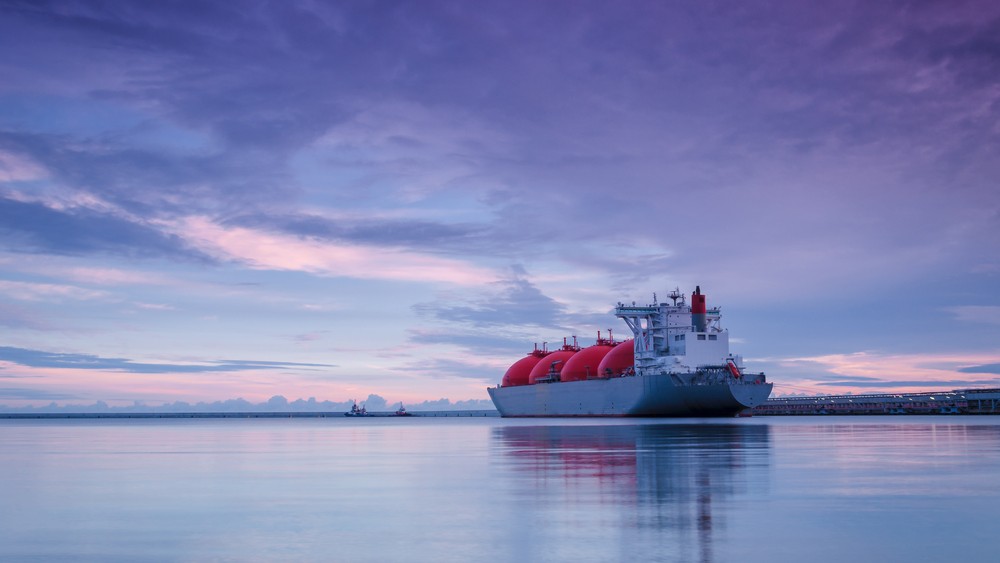
South Korean private equity firm Hahn & Co has unveiled plans to reshuffle the liquefied natural gas (LNG) tanker fleets of its two shipping companies, SK Shipping and H-Line Shipping, in a move that would create Asia's largest and the world's third-largest operator of LNG carriers.
Under the agreement announced by Hahn & Co on Thursday, SK Shipping will receive 16 LNG carriers along with their associated long-term contracts from H-Line Shipping. In exchange, H-Line Shipping will obtain 12 tankers, related long-term contracts, and approximately $300 million in cash.
Once the transaction is finalized, SK Shipping will operate a fleet of as many as 32 LNG carriers and 14 liquefied petroleum gas (LPG) vessels. H-Line Shipping, meanwhile, will be repositioned as an operator focused primarily on tanker and bulk shipping, according to the private-equity owner.
Hahn & Co established H-Line in 2014 by acquiring the long-term dry-bulk operations of Hanjin Shipping Co. Four years later, in 2018, the firm purchased an 80% stake in SK Shipping from SK Group. Since that acquisition, Hahn & Co has redirected SK Shipping away from speculative spot-market exposure and toward LNG and LPG fleets supported by long-term contracts. The consolidation reflects a broader industry pattern in which shipowners are specializing their fleets to secure the multi-year charter contracts that energy majors require before committing to long-haul LNG trade routes. LNG carriers are among the most capital-intensive commercial vessels to order, with newbuild prices at top-tier South Korean yards exceeding $260 million per ship in 2024, making long-term charters essential to securing construction financing.
The fleet restructuring takes place in South Korea, the world's third-largest LNG importer, trailing only China and Japan. South Korea is also home to the world's dominant LNG carrier shipbuilders — HD Hyundai Heavy Industries, Samsung Heavy Industries, and Hanwha Ocean — which together have secured the majority of global LNG carrier newbuilding orders in recent years, including a substantial share of vessels ordered for QatarEnergy's North Field expansion project. The reshuffle comes at a time of rising global LNG demand, even as geopolitical uncertainties persist. Industry observers note that large LNG fleets with attached long-term contracts stand to benefit South Korean gas shippers in this environment.
According to Shell, the world's largest LNG trader, surging gas demand across South and Southeast Asia is expected to drive global LNG demand up by 65% by 2050 compared to 2025 levels. However, Shell noted in its annual LNG Outlook 2026, published in June, that growth in 2026 has been stalled by the Strait of Hormuz crisis.
While trade volumes this year could decline relative to 2025 due to the ongoing Middle East conflict, Shell projects that global LNG demand will rise to nearly 700 million tons annually by 2050 — an increase of approximately 65% from the 2025 level of 422 million tons.
Source: OilPrice.com

