SK hynix Reports Record Q3 Revenue of ₩104.6 Trillion as AI Memory Demand Locks In Supply Through 2029
Key Takeaways
- •SK hynix's quarterly revenue reached ₩104.6 trillion, roughly $78.5 billion, surpassing the ₩100 trillion mark for the first time on demand for AI-linked memory products.
- •The company reported third-quarter operating profit of $62.5 billion with an 80% operating margin, alongside net profit of $29.8 billion.
- •Long-term customer agreements already cover more than half of SK hynix's expected production capacity for 2027 and 2028.
- •Factoring in demand still under negotiation, SK hynix's DRAM and HBM supplies are effectively sold out through 2029, and it expects memory shortages to continue through 2030.
- •SK hynix shares closed 7.95% lower at $149 last Friday amid a broader sell-off across technology stocks, despite the record financial results.
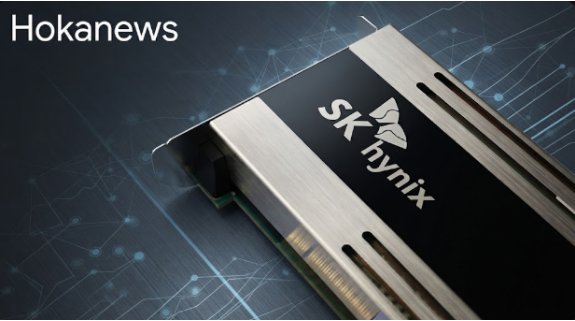
South Korean memory chipmaker SK hynix said quarterly revenue surpassed ₩100 trillion for the first time, reaching ₩104.6 trillion — approximately $78.5 billion — driven by robust demand for the advanced memory products that underpin artificial intelligence (AI) systems and high-performance computing. Crossing the ₩100 trillion mark in a single quarter reflects how quickly AI-linked memory demand has scaled, with memory chips now sitting at the center of global data-center build-outs.
The company also reported operating profit of $62.5 billion, representing an operating margin of 80%, alongside net profit of $29.8 billion for the third quarter. The figures underscore the scale of the profitability reported for the period, though the source information did not include a year-on-year comparison or additional detail on the reporting window. An 80% operating margin stands well above the thin, swing-prone margins that have historically defined memory manufacturing, a segment long shaped by boom-and-bust pricing cycles — context that frames just how unusual the reported profitability is for this industry.
Production Booked Through 2029
Beyond the quarterly results, SK hynix is contending with exceptional demand for its memory products. Long-term agreements already cover more than half of the company's expected production capacity for 2027 and 2028, indicating that customers are securing future supplies well ahead of delivery. Multi-year commitments of this kind differ from the shorter ordering rhythms that have traditionally governed memory purchasing, and they give suppliers revenue visibility stretching years into the future.
When demand still under negotiation is factored in, the company's dynamic random-access memory (DRAM) and high-bandwidth memory (HBM) supplies are effectively sold out through 2029, according to information shared by Coin Bureau on X.
The distinction between confirmed agreements and ongoing talks matters: more than half of the anticipated 2027–2028 capacity is already locked in under long-term deals, while additional prospective demand underpins the assessment that available DRAM and HBM supply is effectively committed through 2029.
Shortages Could Persist Through 2030
SK hynix expects memory shortages to persist through 2030, with computing and AI demand continuing to outpace available supply for several years — a prolonged supply-demand imbalance rather than a temporary surge in orders. For buyers across the technology ecosystem, from AI data-center operators to device makers, that outlook means constrained memory availability is set to remain a planning consideration for years rather than quarters.
High-bandwidth memory — which stacks DRAM dies to move data to processors at very high speeds — has become a key building block of AI computing infrastructure, while DRAM remains essential across a broad range of computing applications. The forward commitments reported for future production reflect the scale of demand SK hynix faces across both memory categories.
The company's outlook also suggests that supply constraints could remain a defining feature of the memory market well beyond the current production cycle. However, the available information does not include specific production expansion targets, projected shortage volumes, or a detailed breakdown of demand by customer.
Shares Fall Despite Record Results
Despite the record financial performance and strong forward demand, SK hynix shares closed 7.95% lower at $149 last Friday, amid a broader sell-off across technology stocks, according to the information shared by Coin Bureau.
The share-price move stands in contrast to the quarterly revenue, profitability, and substantial forward production commitments the company reported. The available information, however, does not establish a direct connection between the stock decline and SK hynix's operating outlook. Those missing details — capacity expansion plans, customer-level demand breakdowns, and year-on-year comparisons — are the data points that would clarify how the record results and multi-year commitments translate into future output and earnings.
For the memory industry, the headline figures remain SK hynix's record Q3 revenue of ₩104.6 trillion, long-term agreements covering more than half of its 2027–2028 production capacity, and its assessment that DRAM and HBM supply is effectively sold out through 2029 — with memory shortages expected to continue through 2030 as computing and AI demand outpaces supply.
Source: Hokanews; financial and supply figures as reported via Coin Bureau.

