Cash-Only Demand Drove SK Chairman's Appeal of $666 Million Divorce Payout, Report Says
Key Takeaways
- •Chey Tae-won appealed the 944 billion won ($666 million) property division ruling after Roh Soh-yeong rejected his proposed cash-and-stock settlement and insisted on payment entirely in cash.
- •The appeal was lodged with the Supreme Court just one minute before a Friday midnight filing deadline.
- •The appellate award, widely reported as South Korea's largest divorce payout, set Roh's share at 33.3 percent based on SK's April 16, 2024 stock price while factoring in subsequent price surges to credit her contribution to the group's growth.
- •If the judgment is finalized in its current form, Chey would face a five percent annual delayed-payment interest rate, equal to roughly 130 million won per day.
- •Chey's legal team intends to argue the valuation contains legal errors, noting SK shares have fallen more than 30 percent from their peak.
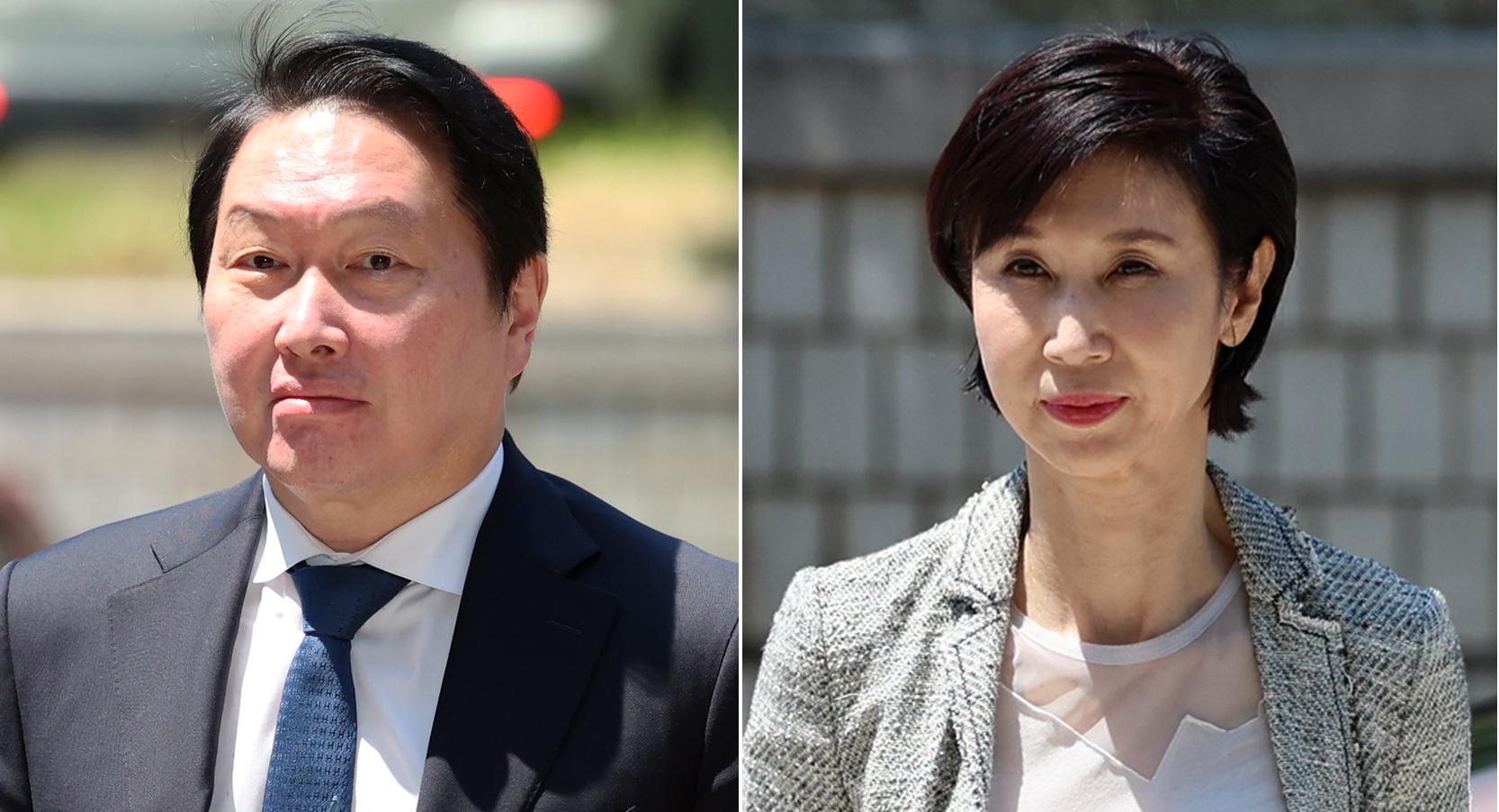
SK Group Chairman Chey Tae-won's last-minute appeal of a 944 billion won ($666 million) property division ruling was reportedly driven by a sharp disagreement with his ex-wife over how the massive payout should be settled, according to The Korea Times.
Chey had proposed a hybrid settlement package consisting of both cash and SK stock, but Art Center Nabi Director Roh Soh-yeong rejected the offer and demanded the entire payment in cash, the report said. Faced with a Friday midnight deadline, Chey's legal team submitted an appeal to the Supreme Court with just one minute to spare.
The appeal is the latest stage in one of South Korea's most closely watched divorce cases. Chey, who leads the country's second-largest family-controlled conglomerate by revenue, filed for divorce in 2015 after publicly acknowledging a child from an extramarital relationship. Roh, an art director and the daughter of former President Roh Tae-woo, married Chey in 1988 and has pursued the case through family court, the High Court and now the Supreme Court. The payout ordered by the appellate court was widely reported as the largest in a South Korean divorce.
Chey had initially considered liquidating equity to raise the funds and bring the nine-year legal dispute to a close. However, selling a massive block of shares in a short period raised concerns about driving down stock prices and undermining the group's governance structure — a particular sensitivity because Chey's stake in SK Inc., the group's holding company, is central to the founding family's control over affiliates spanning energy, telecommunications and semiconductors, including memory-chip maker SK hynix.
To bridge the gap, Chey reportedly proposed giving Roh a mix of cash and shares, offering to compensate her if the stock price dropped while forfeiting any claim to potential gains if the price rose. Roh apparently refused the compromise, insisting on the precise execution of the appellate decision, which ordered a direct cash transfer.
Under the current judgment, Chey faces a five percent annual delayed-payment interest rate starting the day after the verdict is finalized — adding up to roughly 130 million won per day.
Beyond buying time to secure cash and avoid daily interest penalties, Chey's legal team is expected to challenge the appellate court's valuation methods. While the court calculated Roh's 33.3 percent share based on SK's stock price on April 16, 2024, it factored in subsequent price surges to acknowledge her contribution to the conglomerate's growth. Chey's side plans to argue that this calculation contains legal errors, particularly given that SK shares have since fallen over 30 percent from their peak.
Although legal experts note that Supreme Court reviews are strictly limited to how the law was applied, the appeal grants Chey critical leverage and time to formulate a viable financial strategy without triggering market volatility across Korea. With the appeal now filed, the open question is how the Supreme Court handles the valuation challenge; if the ruling is finalized as is, the cash payment and the daily interest accrual would fall due under the current judgment.
The case stems from the property division trial between Chey and Roh at the Seoul High Court, where the two were documented by Yonhap arriving for a hearing in a June 15 file photo. The article was published by The Korea Times on Aug. 16, 2026.

