SK Biopharmaceuticals settles first US patent dispute over Xcopri with MSN Laboratories
Key Takeaways
- •SK Biopharmaceuticals reached an undisclosed settlement with MSN Laboratories resolving a US patent dispute over its epilepsy drug Xcopri, the first resolution in its defense of the drug against generic competition.
- •The settlement covers follow-on patents on use and dosing methods, separate from cenobamate's composition-of-matter patent, which remains in effect in the US through October 2032.
- •The agreement grants MSN the right to launch a generic version of Xcopri at a future date, with actual timing dependent on FDA regulatory action and confidential deal conditions.
- •Xcopri received FDA approval in November 2019 for partial-onset seizures in adults and is SK Biopharmaceuticals' first independently developed drug on the market, sold in the US through subsidiary SK Life Science.
- •Patent infringement lawsuits filed in June 2024 against Aurobindo Pharma and Zydus Pharmaceuticals remain unresolved.
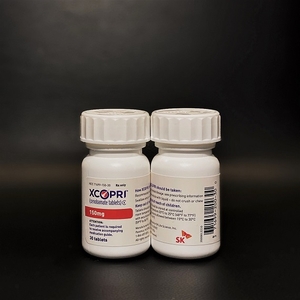
SK Biopharmaceuticals said Wednesday that it has settled a United States patent dispute with Indian generic drugmaker MSN Laboratories over cenobamate, the epilepsy treatment marketed as Xcopri in the US, a deal that lays the groundwork for continued patent protection for the drug in the world's largest pharmaceutical market.
The settlement, whose terms were not disclosed, is the first resolution in SK Biopharmaceuticals' effort to defend Xcopri's intellectual property rights against generic competition in the US.
The Korean drugmaker filed patent infringement lawsuits against Indian drugmakers Aurobindo Pharma and Zydus Pharmaceuticals in June 2024. It brought a separate case against MSN in November of that year, after the Indian company sought US Food and Drug Administration approval for a generic version of Xcopri. SK Biopharmaceuticals contended that MSN's proposed generic drug infringed patents related to Xcopri, leading to the legal dispute in US federal court.
According to the company, the settlement covers follow-on patents that are separate from cenobamate's composition-of-matter patent, which remains in effect in the US through October 2032. Follow-on patents, which typically cover aspects such as methods of use or dosing rather than the molecule itself, are a common tool brand-name drugmakers use to extend protection past a core compound patent. The follow-on patents provide a basis for keeping Xcopri protected after the core patent expires, SK Biopharmaceuticals said.
Under the agreement, however, SK Biopharmaceuticals granted MSN the right to launch a generic version of Xcopri at a future date. The actual launch and its timing could vary depending on the US regulatory approval process and the conditions of the companies' confidential agreement. That structure reflects how patent fights between brand and generic drugmakers in the US routinely end: rather than risk an all-or-nothing court ruling, the parties commonly settle on a negotiated generic entry date, and such agreements are filed with the Federal Trade Commission, which reviews them for potential anticompetitive effects.
Xcopri won FDA approval in November 2019 to treat partial-onset seizures in adults, the most common type of epileptic seizure, and is SK Biopharmaceuticals' first independently developed drug to reach the market; the company commercializes it in the US through its American subsidiary, SK Life Science. With sales continuing to grow in the US, the agreement with MSN is expected to help manage some of the uncertainties around potential generic entry and provide greater stability for the drug's commercialization period.
"Through this first settlement, we expect to strengthen the foundation for Xcopri's continued growth and contribute to maintaining its long-term market position in the US," SK Biopharmaceuticals said.
The patent lawsuits against Aurobindo and Zydus remain unresolved, and the timing of any MSN launch will hinge on further FDA action on its generic application.

