Travel Editor Makes the Case for More Negative Hotel Reviews, Citing Six Senses London Stay
Key Takeaways
- •During a review stay at Six Senses London, the editor's guest found a piece of glass in his dinner.
- •The hotel offered a complimentary stay after the glass incident but left the guest's follow-up email unanswered for over two weeks.
- •After the editor said the story would be published, the hotel contacted the editor's superior asking to kill the piece, citing potential job losses for staff.
- •Six Senses London opened in 2025 in the restored former Whiteleys department store in Bayswater, one of several high-profile upscale London hotel openings.
- •The editor argues travel media's commercial entanglements and distrust of online review platforms make independent critical reviews especially valuable to readers.
When you read a restaurant review, you expect it to be critical. The same is true of theatre reviews, which frequently award shows just one star. The travel industry, however, is a different matter: journalists in that sphere are far less likely to declare that something is bad. Apart from trashy television programmes about holidays from hell, you are almost guaranteed to be confronted with a glowing review of a hotel or resort.
In some ways this makes sense. Theatre and restaurant reviews are newsworthy to a specific geographical audience; they help readers decide whether or not to book a seat. Travel does not work the same way: with thousands of destinations around the world, if a luxury hotel on Sumba, an island in Eastern Indonesia, is not any good, there is a strong argument for simply not writing about it. You are probably not waiting with bated breath to learn how many stars that particular hotel receives — you discover it when a journalist stays there and reports, "Hey, this place is great, you should go."
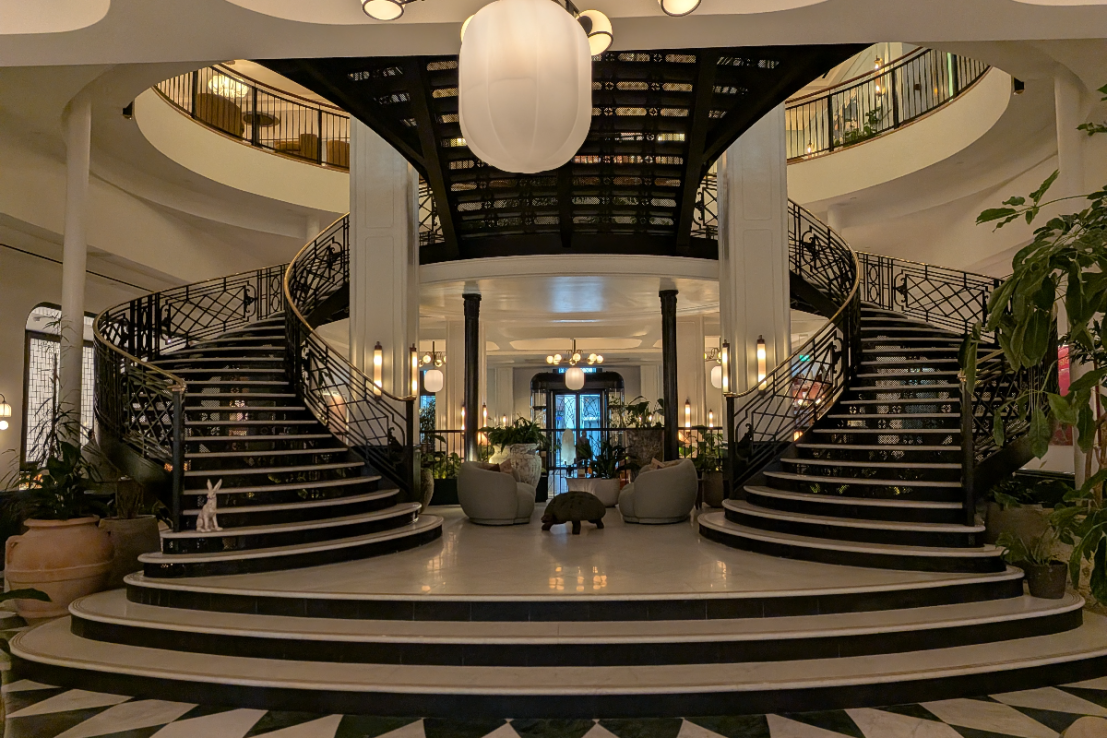
There is also a commercial backdrop that helps explain the positivity. Travel media has long been entangled with the industry it covers, through complimentary stays, press trips and advertising relationships, and London's luxury hotel market is intensely competitive — Six Senses London, which opened in 2025 in the restored former Whiteleys department store building in Bayswater, is one of several high-profile upscale openings competing for attention. That makes independent criticism scarcer, and arguably more valuable.
Glass in food, broken apps
But this does not mean negative reviews of luxury hotels should not exist. As this newspaper's travel editor, I have had my share of bad experiences. At one seismic London opening, a giant piece of brass fell off the shower, narrowly missing my toes. The same hotel brought me entirely the wrong food in its restaurant and promised my room would be ready so I could take an important call; it was not. I did not write about it — there seemed no point, I thought.
But I decided enough was enough. While reviewing the new Six Senses London this summer, my guest found a piece of glass in his dinner. I think people deserve to know about this. It was not even the only thing wrong with my stay: another guest's safe lock code was incorrectly sent to us via an in-room app. My friend who nearly ate the glass was offered a complimentary stay by the manager, yet when he followed up about making the reservation, his email went unanswered for over a fortnight.
The case for negative hotel reviews
Later, when I said we would be publishing the story, I was told the jobs of some staff members could be on the line. They went over my head, emailing my editor to ask whether he could kill the story.
Ironically, the highest echelons of the travel PR world acknowledge that the absence of criticism is a problem. "Journalists can get across messages PR teams can't," one owner of a publicity company told me. "When publicists say something needs fixing, they don't listen. When you say it, they do."
For readers, this is the practical point of a genuinely critical review: at a time when online review platforms are widely distrusted as easily gamed, and paid influencer content blurs the line between advertising and opinion, an editor's willingness to say a hotel fell short is one of the few signals readers can rely on.
And so I will proceed to "say it". If you are considering paying a grand per night for a room — or indeed any amount of money — you deserve to know whether the experience is worth it. In this case, I simply cannot recommend Six Senses London.
Holding power to account
I hope no jobs are lost over this story. It is not the fault of the staff on the ground: this sort of mistake should never be allowed to happen — should not even be possible — especially at a property of this supposed calibre.
Most travel journalism should be inspirational and aspirational. But it should also serve as a means of holding power to account. So perhaps we should be less afraid to tell it like it is. I did not have a relaxing time at the Six Senses, London's newest wellness hotel.
