Middle East Risk Permanently Repriced, Paratus CEO Gus Majed Says Ahead of Splash Singapore
Key Takeaways
- •Singapore’s bunker sales reached 28.2 million tonnes in the first half of the year, nearly 5% higher than a year earlier, despite disruption to Strait of Hormuz supply flows.
- •Majed says Singapore’s future competitive edge in bunkering will depend more on trust and measurement than on volume alone.
- •He expects the Hormuz crisis and the IMO’s rescheduled carbon vote to be major topics in tanker discussions this year.
- •ADNOC has been buying VLCCs and Bahri’s fleet has grown to more than 100 vessels, showing that oil producers are increasingly becoming shipowners.
- •AIS shutdowns, dark transfers and vessel-tracking gaps have boosted the importance of satellite intelligence and AI vessel analytics.
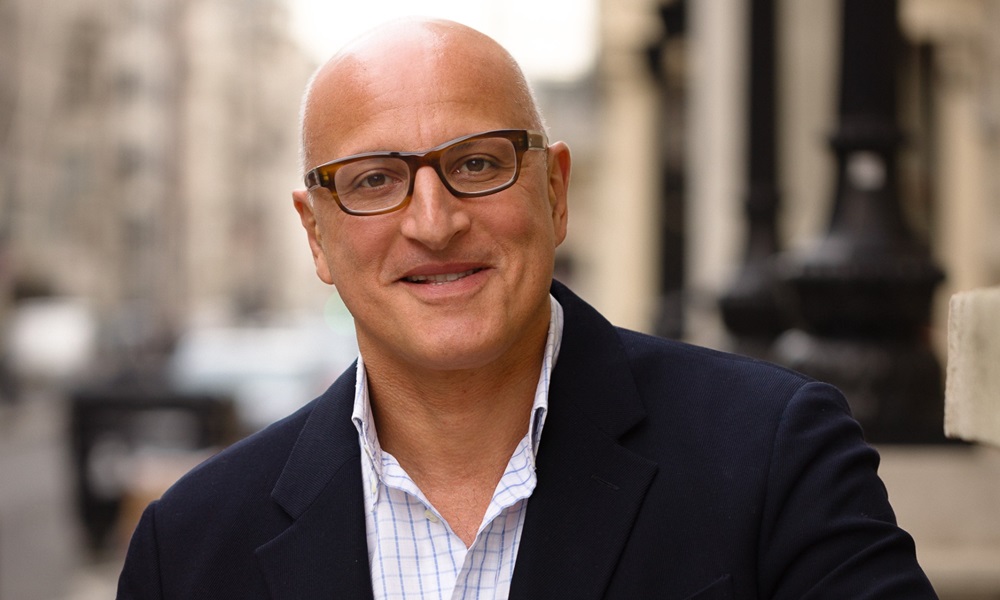
Singapore's advantage as a maritime centre is changing, argues Gus Majed, founder and group CEO of fuel and freight price risk specialist Paratus.
The city-state built its position on scale, liquidity and location. Its next competitive edge, Majed believes, will increasingly come from something less tangible: trust.
“The war promoted Singapore from the world's fuel pump to the system's safe harbour,” Majed tells Splash ahead of September's Splash Singapore conference.
More than half of Singapore's bunker feedstock previously arrived through the Strait of Hormuz. Yet when war disrupted those flows, the supply chain was rebuilt within weeks and bunker sales continued to rise, reaching 28.2m tonnes in the first half of the year, almost 5% higher year-on-year.
That resilience matters because Singapore is not just a refuelling stop; it is also where much of Asia's freight, fuel and risk are increasingly priced, bringing together owners, charterers, financiers and insurers while exporters build their own fleets and governments stockpile strategic commodities. “That is the real edge: not volume, adaptability,” he says.
The next battleground, Majed argues, will be measurement.
“The port that can certify what a ship actually burned owns compliance-era bunkering,” he says, stressing: “Singapore's old edge was volume. Its next edge is trust.”
Before then, shipping has to contend with the issue dominating virtually every tanker conversation in 2026.
“One word: Hormuz,” Majed says when asked what will dominate the tanker session he chairs at Splash Singapore.
By September, shipping will be seven months into the Hormuz crisis and only weeks away from the IMO's rescheduled carbon vote, a timing that puts geopolitics and emissions compliance in the same conversation. Majed expects debate around concentration risk, changing ownership structures, vessel values and the vulnerability of other shipping chokepoints.
Oil producers are becoming shipowners themselves. ADNOC has been buying VLCCs while Bahri's fleet has reached in excess of 100 vessels.
“The customer has become the competitor,” Majed observes.
Modern VLCC values above $130m, meanwhile, have returned to levels last seen around 2008, against an ageing fleet and modest growth in compliant tonnage.
Hormuz is not the only chokepoint causing headaches. El Niño is again putting pressure on Panama Canal water levels, while shallow conditions on the Rhine are disrupting European inland shipping.
“War closed one artery and climate is squeezing two more,” Majed says.
Even if diplomacy eventually resolves the Hormuz crisis, he doubts shipping will simply return to its pre-war state.
“Owners and charterers have learned the strait can close for months, and that lesson does not expire with a memorandum,” he cautions.
The lesson, he notes, will remain embedded in war-risk premiums, crew terms, charter clauses and investments in alternative export routes through ports such as Fujairah and Sohar.
“Middle East risk has been repriced, and no signature prices it back overnight,” Majed advises.
Technology is being reshaped by the conflict too. AIS shutdowns, dark transfers and discrepancies between official flow estimates and vessel-tracking data have pushed satellite intelligence and AI vessel analytics from specialist tools towards essential commercial infrastructure.
At Splash Singapore, Majed will chair the tanker session, with Christoph Toepfer, Andreas Michalopoulos and Nitin Mathur also on stage.
What would make the day worthwhile? “Candour,” he says. “People naming what they earn in dollars per day and pay in dollars per mt, disagreeing in the open, and somebody changing my mind on something I walked in certain about.”
And there is one additional attraction. “Singapore in September is our kind of town,” he says, adding: “The food alone is worth the flight.”
The 100+ companies attending Splash Singapore include: Aderco, AET, Alfa Laval, Al Seer Marine, Ambica Logistics, Anglo American, Anglo-Eastern Univan Group, Anline Shipping, Asia Pacific Ship Management, AXSMarine, Baltic Exchange, Borealis Maritime, BPG Shipping, BW Group, Cetus Maritime, Complexio, Direct Search Global, Dualog, Ebury Maritime, Erasmus Kaiun Kaisha, Erasmus Shipinvest Group, Faststream Recruitment Group, Fednav, Filhet-Allard Maritime, Fleet Management, Foreguard Shipping, G2 Ocean, Geneva Dry, Getting the Market, GlobalOre, Global Risk Management, Heidelberg Materials Trading, Hempel, Idwal, Inmarsat, Inter-Asia Marine Transport, Intercargo, ISEACO, JA Mitsui Leasing, Klaveness Digital, Kpler, Leonhardt & Blumberg, Liberian Registry, Lloyd's Register, M3 Marine, Mandarin Shipping, Manta Marine Technologies, Marconic | Maritime PR, Marcura, MarinePALS, Merchant Prospect, Mitsui OSK Lines, MOL Chemical Tankers, Norden, Nura International Shipping, Nura Shipco Management, OceanScore, OS Maritime Consultants, Pacific Basin Shipping, Pacific Carriers Limited, Paratus, Performance Shipping, Petro Inspect Asia, RightShip, Rio Tinto, Royal Ocean Marine Enterprise, seabo, Sea by Maritech, Seanergy Maritime Holdings, Sedna, Singapore Maritime Foundation, SGX Commodities, ShipMoney, ShipsFocus Ventures, Splash Maritime Group, Stamford Ship Management, Sturrock Grindrod Maritime, Suisse-Atlantique Group, Swire Shipping, Syroco, The Captain's Table, Tiger Group Investments, TMV, Tokei Kaiun, Tribini Capital, UNISEA, United Maritime Corporation, Vale, Veritas Petroleum Services, Veson Nautical, Viasat, Victor Surveys, Western Bulk, Wilhelmsen Group, Wirana Shipping Corporation, and ZeroNorth.
The full Splash Singapore agenda can be accessed at splashsingapore.com/agenda. Splash Singapore registration, at just S$750, can be accessed at splashsingapore.com/book. Special Splash Singapore hotel room rates, available until Sept. 7, can be found at splashsingapore.com/venue.
Source: Splash247 — Original article

