Singapore Signs Agreement With Brazil for 10th Green and Digital Shipping Corridor
Key Takeaways
- •Singapore and Brazil signed a memorandum establishing a Green and Digital Shipping Corridor, Brazil becoming Singapore's tenth corridor partner.
- •The agreement was signed by Singapore transport minister Jeffrey Siow and Brazil ports and airports minister Tomé Franca.
- •The corridor will focus on zero- and near-zero-emission marine fuel supply chains, digital information exchange between maritime and port systems, and emerging maritime technologies.
- •No specific fuel type, pilot voyage or implementation timetable has been disclosed for the corridor.
- •Singapore's corridor network already spans Asia, Europe, Australia and the United States, including a renewed three-year deal with Los Angeles and Long Beach ports in April.
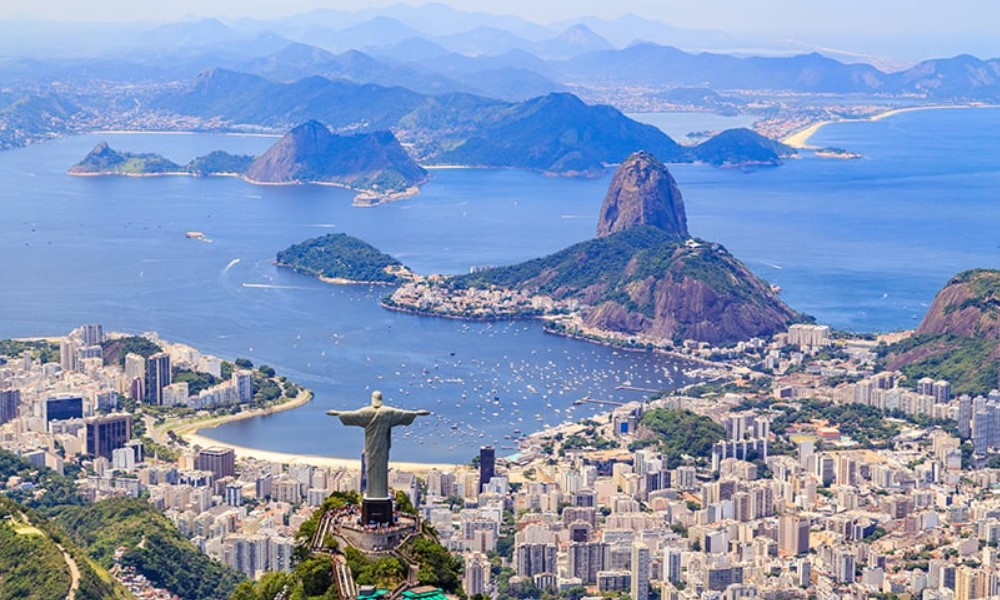
Singapore has added Brazil as its 10th green and digital shipping corridor partner, connecting the world's largest bunkering hub with one of the major emerging producers of renewable fuels.
Under a newly signed agreement, the two countries will establish a Singapore-Brazil Green and Digital Shipping Corridor focused on alternative marine fuels, digital information exchange and maritime technology. The memorandum was signed by Singapore's transport minister Jeffrey Siow and Brazil's ports and airports minister Tomé Franca.
The two sides plan to collaborate with shipping and energy companies on supply chains for zero- and near-zero-emission marine fuels. Brazil's renewable energy base is expected to form one side of the equation, while Singapore contributes the world's largest marine fuel market and a major transhipment hub. Brazil is among the world's largest producers of biofuels, including biodiesel and ethanol, and has been developing projects aimed at producing marine biofuels, giving the corridor a potential supply-side foundation. For international shipping, such fuels matter because the industry accounts for close to 3% of global greenhouse gas emissions, and the IMO has set a target of net-zero emissions from international shipping by or around 2050, with green corridors widely used as a mechanism to trial fuels and infrastructure at specific routes.
On the digital front, the work will include exploring greater exchange of information between the two countries' maritime and port systems, as well as joint research and deployment of emerging maritime technologies. Digitalization of port and customs data exchange is a parallel track in many corridor agreements, aimed at cutting paperwork and improving port-call efficiency.
No specific fuel, first pilot voyage or implementation timetable has been named so far. What to watch next is whether the partners name a first pilot route or fuel type, which in earlier Singapore corridors has been the step that moved agreements from intent to operational trials.
The Brazilian agreement expands a Singapore corridor network that already spans major trading partners in Asia, Europe, Australia and the United States. Singapore renewed its corridor with the ports of Los Angeles and Long Beach for another three years in April, while its partnership with South Korea was signed late last year.
