Strike set to begin at Sibanye-Stillwater's US operations in Montana
Key Takeaways
- •Roughly 420 workers at Sibanye-Stillwater's Stillwater East mine and Columbus metallurgical complex were set to strike from Thursday after contract talks failed, while the East Boulder mine is excluded under a separate agreement.
- •The dispute focuses on higher employee health-care costs and a proposed incentive-pay overhaul, with the union warning of reduced earnings and the company arguing a larger pool would be spread more evenly.
- •Sibanye's latest offer included a 5% wage increase this year followed by smaller raises over the next two years, amid a cost-cutting push at its U.S. PGM operations, which are around break-even at current metals prices.
- •The company spends about $30 million annually on employee health care, according to a company spokesperson.
- •Stillwater East and East Boulder produced 137,930 oz. of platinum and palladium in the first half of the year, with Stillwater East accounting for about 55% of output.
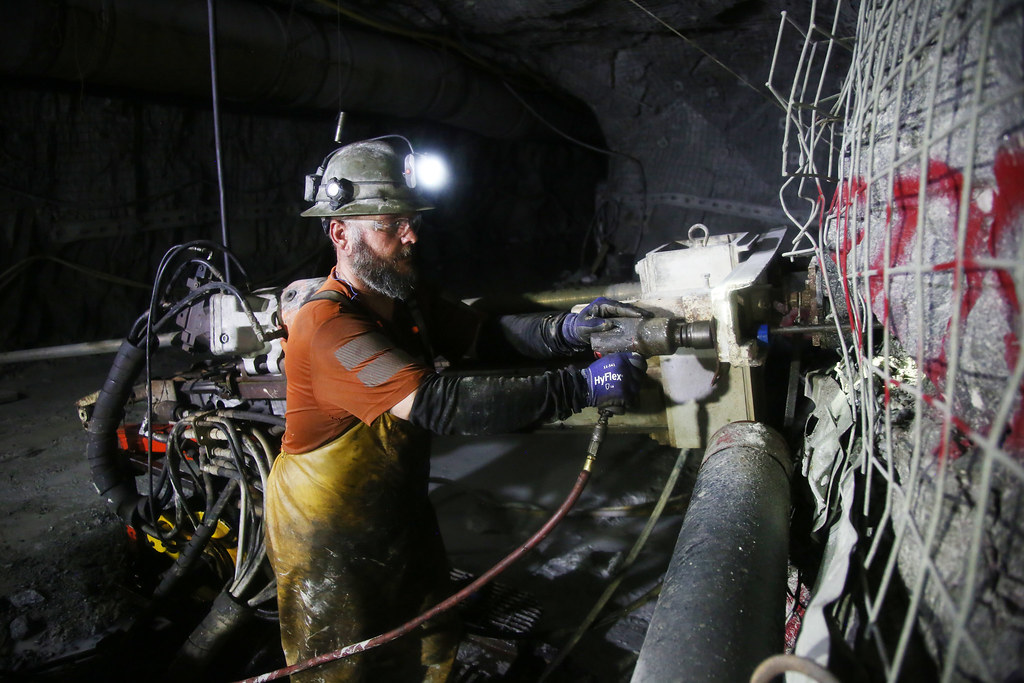
Sibanye-Stillwater (JSE: SSW; NYSE: SBSW) is facing a strike at its Stillwater East mine and Columbus metallurgical complex in Montana after more than four months of contract negotiations failed to produce an agreement.
The United Steelworkers has given notice that workers covered by the collective bargaining agreement will walk out from 7 a.m. Thursday, Sibanye-Stillwater said Wednesday. About 420 workers are affected, according to KTVQ. The company's East Boulder mine is covered by a separate collective agreement and is not included in the strike notice.
The dispute centres on health-care costs and changes to incentive pay, Andrew Cameron, an underground miner and member of the union negotiating committee, told Montana Free Press. The union says a proposed incentive system could significantly reduce earnings for some workers, while Sibanye says a larger incentive pool would be distributed more evenly among hourly employees.
Shares in Sibanye-Stillwater closed 2.5% stronger at 52.35 rand apiece in Johannesburg on Thursday, valuing the company at 148 billion rand (C$12.8 billion).
Wage proposal
Sibanye's latest proposal included a 5% wage increase this year followed by smaller raises over the next two years, KTVQ reported. The company has proposed changing its incentive-pay structure as part of an overhaul aimed at increasing productivity and reducing costs at its U.S. platinum group metals operations, which are under pressure in part because palladium and platinum prices have fallen from their earlier peaks, squeezing margins for Western PGM producers.
The proposed agreement would also increase employee health-care costs. Sibanye spokesperson Heather McDowell told Montana Free Press that the company spends about $30 million annually on employee health care and that its U.S. PGM business is operating around break-even at current metals prices.
Sibanye said it remains committed to reaching an agreement that recognizes employees' interests while allowing the operational changes it says are needed to secure the longer-term sustainability of the U.S. PGM operations. The Stillwater operations, acquired by Sibanye in 2017, are the only primary producer of platinum group metals in the United States, and the company has previously restructured the business in response to weak metals prices, including cutting jobs and placing sections of the mines on care and maintenance in recent years.
Stillwater East and East Boulder produced 137,930 oz. of platinum and palladium during the six months ended June 30. Stillwater East contributed 76,334 oz., or about 55%, equivalent to an average of about 446 oz. per day, according to Sibanye.
The company said the eventual production impact would depend on the strike's duration, operating arrangements, processing availability and the time required to restart affected operations. How long the stoppage lasts, and whether further talks resume, will determine the effect on Sibanye's U.S. output guidance and on the Columbus smelter's processing of concentrates.

