Maritime Disruptions Across Strait of Hormuz, Red Sea, Black Sea, and Sea of Azov Impact Global Shipping
Key Takeaways
- •The Strait of Hormuz, Red Sea, Black Sea, and Sea of Azov are simultaneously experiencing shipping disruptions due to US-Iran tensions, Houthi attacks, and the Russia-Ukraine conflict.
- •Vessel reroutings around Africa's Cape of Good Hope have extended transit times and increased shipping costs and supply chain delays across multiple industries.
- •Prediction market participants assign only an 18.5% probability that Strait of Hormuz traffic will normalize by September 30, a decline from 22% the prior week.
- •Approximately one-fifth of the world's daily oil supply transits through the Strait of Hormuz, making sustained disruption a significant risk to global energy markets.
- •Maritime insurance premiums and freight rates remain sensitive indicators of how the shipping industry is pricing elevated risk across all four affected corridors.
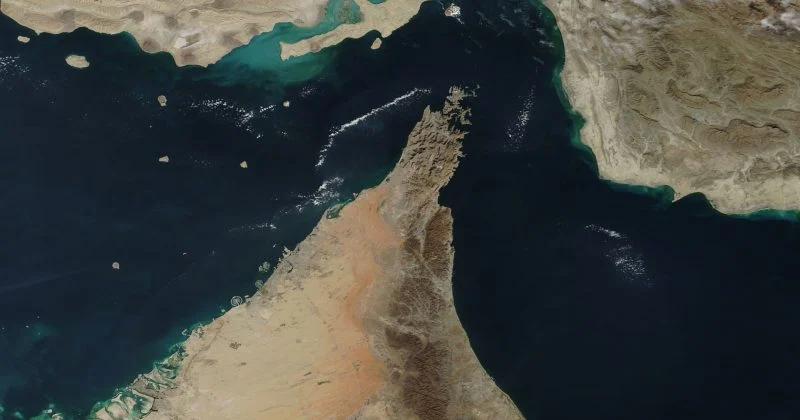
Recent reports from CNBC highlight a growing threat to commercial shipping routes across several key maritime regions. The Strait of Hormuz, the Red Sea, the Black Sea, and the Sea of Azov are all experiencing disruptions driven by escalating attacks and threats, with significant implications for global maritime trade.
These disruptions stem from multiple ongoing conflicts. In the Strait of Hormuz, tensions between the United States and Iran have raised concerns about the safety of one of the world's most critical oil transit chokepoints. In the Red Sea, Houthi forces based in Yemen have continued to target commercial vessels, prompting widespread rerouting of shipping traffic away from the Suez Canal—one of the primary trade arteries linking Europe and Asia—and toward the longer Cape of Good Hope route around Africa. Meanwhile, the Black Sea and the Sea of Azov remain affected by the ongoing Russia-Ukraine conflict, further complicating commercial navigation in waters that serve as critical corridors for agricultural exports, particularly grain shipments from both countries.
The cumulative impact has been increased rerouting of vessels, elevated safety risks for crews and cargo, and disruption to the flow of goods through some of the world's busiest waterways. Extended transit times resulting from these reroutings have contributed to higher shipping costs and supply chain delays across multiple industries.
In prediction markets, these developments have shifted sentiment regarding the likelihood that Strait of Hormuz traffic will return to normal levels by the end of September. The probability of traffic normalizing by September 30 has fallen to 18.5% YES, down from 22% one week ago. This downward adjustment indicates that market participants view the current security environment as consistent with a prolonged period of regional instability.
Prediction market pricing also reflects concerns over the risk of further maritime attacks or restrictions. The Strait of Hormuz is a critical artery for global energy shipments, with approximately one-fifth of the world's oil supply passing through it daily. Sustained disruption in this corridor has the potential to affect global shipping routes, energy markets, and broader trade flows.
Key actors, including the Iranian government and international maritime organizations such as the International Maritime Organization (IMO), will play a significant role in shaping the future stability of these routes. Diplomatic developments between the United States and Iran are of particular interest, as any ceasefire agreement or security assurances could alter market expectations. Conversely, reports of new attacks or additional transit restrictions in the Strait could reinforce current pricing trends.
Observers and markets will also be monitoring data on the volume of ships transiting these waters for further signals about the trajectory of maritime trade in the region. Maritime insurance premiums and freight rates remain sensitive indicators of how the shipping industry is pricing elevated risk across all four corridors.

