FreightWaves Today Segment Examines Why Shippers May Avoid Cheaper Intermodal Freight
Key Takeaways
- •Nicholas Shipe of Circle Logistics discussed factors influencing the choice between intermodal and expedited freight in automotive logistics on a FreightWaves Today segment.
- •Intermodal freight generally offers lower per-unit costs than trucking but comes with longer transit times and less scheduling flexibility.
- •Automotive manufacturers using just-in-time assembly often prioritize production uptime over freight savings, since a delayed parts shipment can halt an entire production line.
- •The segment also addressed broader critical shifts in automotive logistics and the broader considerations behind modal decisions in industrial supply chains.
- •The United States has become the world's largest natural gas and oil producer, and low domestic energy costs may support nearshoring and domestic manufacturing competitiveness.
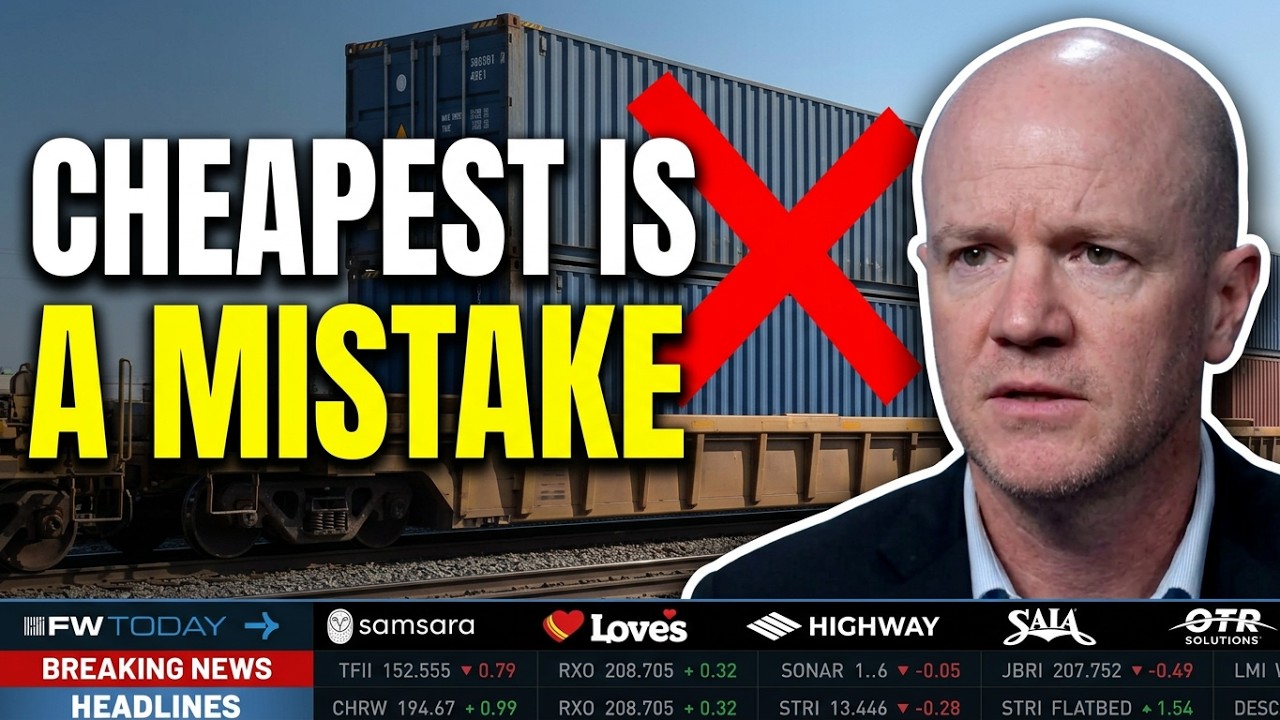
A FreightWaves Today segment features Nicholas Shipe of Circle Logistics discussing changes in automotive logistics and the factors that influence decisions between intermodal and expedited freight.
Intermodal freight—typically combining rail and truck transport—generally offers lower per-unit costs than over-the-road trucking, but longer transit times and less flexible scheduling. The segment focuses on why that cost advantage is not always the decisive factor for manufacturers. According to the program description, manufacturers may prioritize production uptime when choosing freight options, which can affect whether they use lower-cost intermodal service or faster expedited transportation. In automotive manufacturing, where just-in-time assembly practices mean delayed parts can halt an entire production line, the cost of a stockout often dwarfs the savings from cheaper freight.
The FreightWaves Today item also says the discussion addresses “critical shifts in automotive logistics” and examines the broader considerations behind modal decisions in industrial supply chains.
In addition, the program description references America’s energy position as an overlooked advantage that may shape industrial supply chains. The U.S. has become the world’s largest natural gas and oil producer, and relatively low domestic energy costs have been cited as a factor supporting nearshoring and domestic manufacturing competitiveness. The source did not provide a written summary of the segment.

