Shipfinex and ADI Chain Partner to Tokenize $500 Million Shipping Vessel Pipeline
Key Takeaways
- •Shipfinex and ADI Chain plan to tokenize roughly 35 vessels worth approximately $500 million, with each vessel placed in its own special-purpose vehicle.
- •ADI Chain will provide blockchain-based distribution and settlement infrastructure, utilizing stablecoins denominated in UAE dirhams, US dollars, and other currencies.
- •The partnership is currently in a pilot stage, with no Maritime Asset Tokens publicly issued and the regulated issuance route still being finalized.
- •The broader global shipping fleet and orderbook was valued at approximately $2.1 trillion at the start of 2026, according to Clarksons Research data.
- •Standard Chartered has projected that the tokenized real-world asset sector could grow to $4 trillion by the end of 2028.
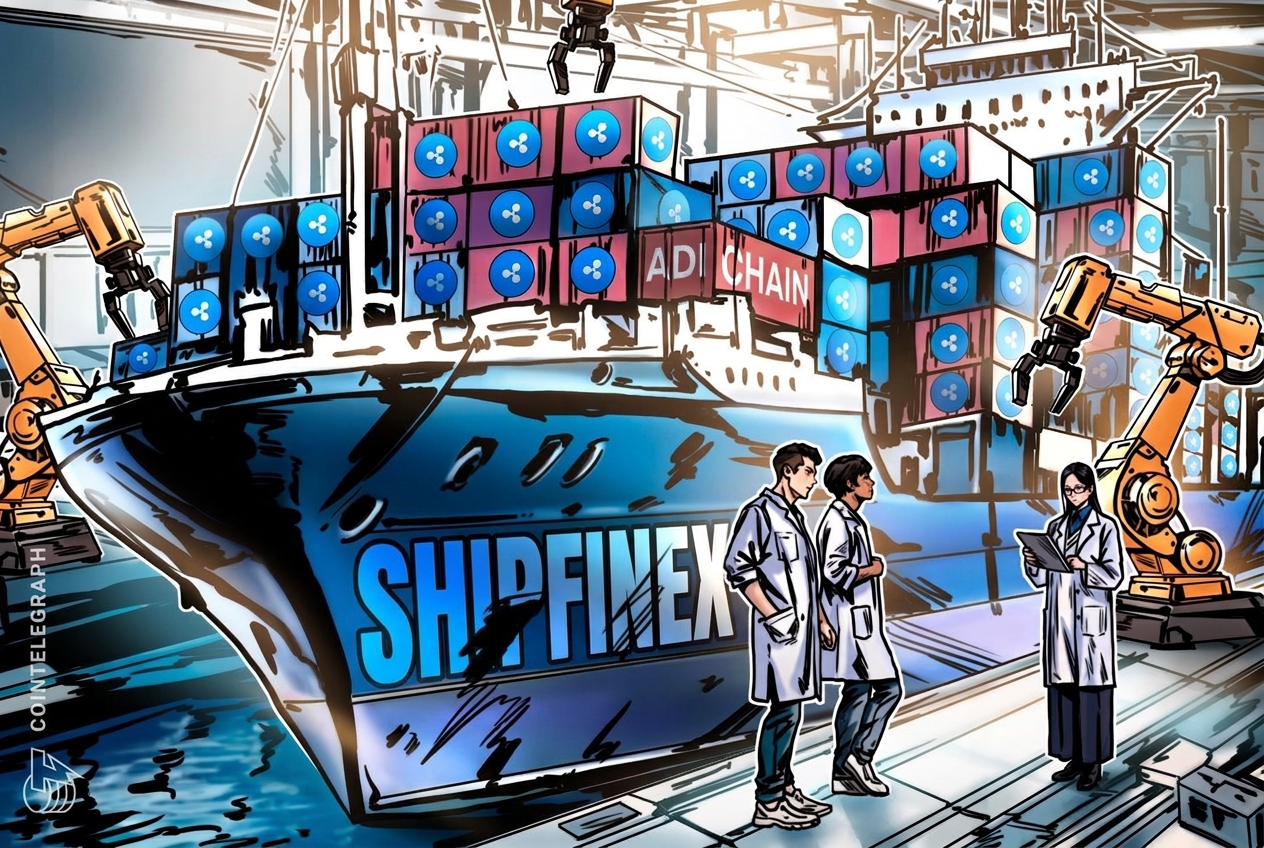
Dubai-based maritime asset tokenization platform Shipfinex has partnered with ADI Chain to tokenize a pipeline of approximately 35 vessels valued at $500 million, aiming to open new financing channels for shipowners.
According to the company, each vessel will be placed in a separate special-purpose vehicle (SPV). The resulting tokens could represent vessel-backed credit, charter-linked income, or other economic interests tied to individual ships.
ADI Chain, an Abu Dhabi-based blockchain platform focused on stablecoins and real-world assets (RWAs), will provide the distribution and settlement infrastructure for the initiative. Primary allocations and distributions are expected to be conducted using stablecoins denominated in UAE dirhams, US dollars, and other currencies. Both companies operate within the UAE's evolving digital asset regulatory landscape, which includes Dubai's Virtual Assets Regulatory Authority (VARA) and the Abu Dhabi Global Market (ADGM) financial free zone's digital asset framework. Tokens representing income-bearing vessel interests would typically be subject to securities regulation, a consideration relevant to the ongoing finalization of the regulated issuance route.
The planned tokenization covers only a small fraction of the broader global shipping market. The combined world fleet and orderbook was valued at approximately $2.1 trillion at the start of 2026, according to Clarksons Research data. Traditional ship financing has relied heavily on bank loans, syndicated debt, and leasing arrangements, with several European banks having reduced their maritime lending exposure since the 2008 financial crisis.
The partnership remains in the pilot and operational-readiness stage. No Maritime Asset Tokens have been publicly issued, and the regulated issuance route is still being finalized.
The collaboration comes amid continued growth in the broader tokenized RWA sector. Assets tracked by RWA.xyz totaled approximately $38.1 billion as of August 9, led by $16.2 billion in US Treasury debt and $4.9 billion in commodities.
In a report released Monday, Standard Chartered projected that tokenized RWAs could reach $4 trillion by the end of 2028, according to Geoff Kendrick, the bank's global head of digital asset research. Tokenization of real-world assets involves issuing blockchain-based digital tokens that represent ownership or economic rights in physical or financial assets, enabling fractional ownership, improved liquidity, and more efficient settlement compared to traditional structures. The shipping industry, with capital-intensive assets and complex financing arrangements, has been identified as a sector where blockchain-based tokenization could streamline access to capital markets for vessel owners.

