Shell Sells European Onshore Renewables Portfolio to TotalEnergies
Key Takeaways
- •Shell is selling 0.5 GW of European onshore renewable generation capacity across Italy, the Netherlands, Spain, and the United Kingdom to TotalEnergies.
- •The transaction remains subject to regulatory approvals and is projected to close by the end of 2026.
- •The divestment follows through on Shell's Capital Markets Day 2025 pledge to allocate capital where it can deliver the strongest long-term value.
- •TotalEnergies is using the acquisition to expand its integrated electricity business, which it has identified as a core growth pillar alongside LNG and deepwater oil projects.
- •The sale reflects a wider reversal among European energy majors, with both Shell and BP walking back earlier commitments to reduce oil and gas production by the end of the decade.
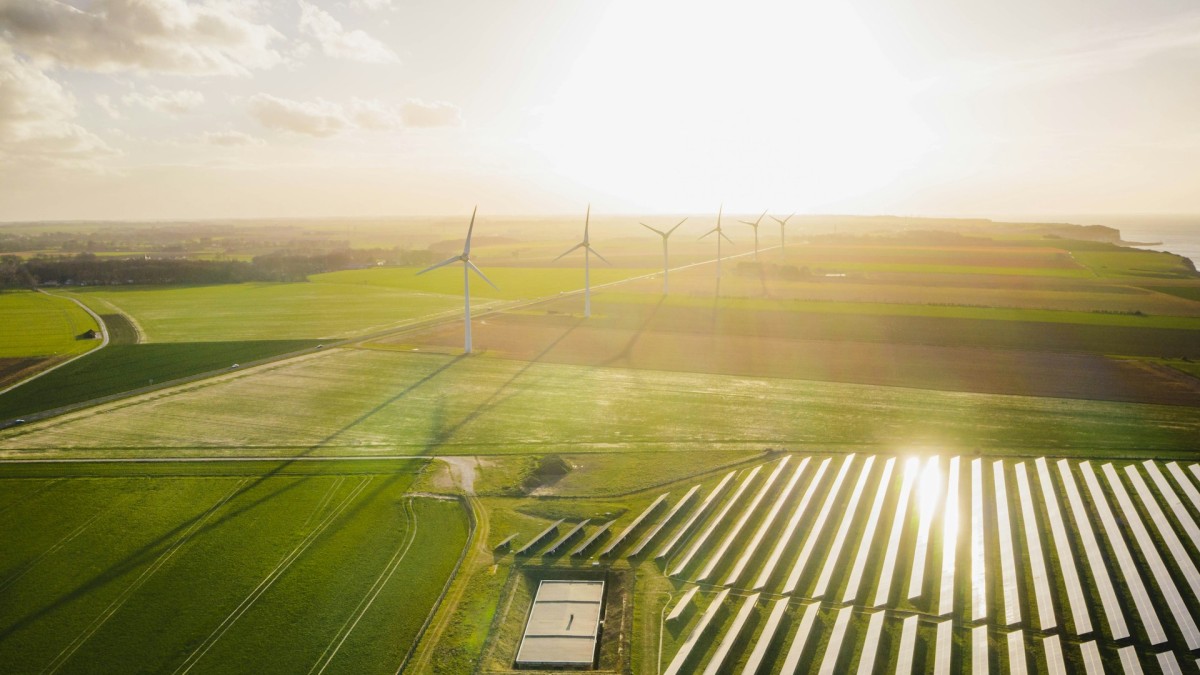
Shell has signed an agreement to sell its European onshore renewables portfolio to TotalEnergies, as the UK-based supermajor continues to prioritize capital allocation toward high-value businesses.
The portfolio included in the transaction comprises 0.5 gigawatts (GW) of combined renewable generation capacity—both in operation and under development—along with a pipeline of projects earmarked for future development across Italy, the Netherlands, Spain, and the United Kingdom. The deal remains subject to regulatory approvals and is expected to close by the end of 2026, Shell said in its official announcement.
The sale follows through on a pledge Shell made at its Capital Markets Day 2025, where the company committed to adjusting its power portfolio to "ensure capital is allocated where it can deliver the strongest long-term value." Shell has signaled for over a year that it would recalibrate its renewables and power investments to focus on the most profitable segments.
"We are recycling capital and prioritising areas where we have differentiated capabilities and can create the most value over time, including through asset-backed power trading and customer-focused energy solutions," said Machteld de Haan, President of Downstream, Renewables and Energy Solutions at Shell.
For TotalEnergies, the acquisition deepens a push into integrated power and renewables that the French major has identified as a core growth pillar alongside liquefied natural gas and deepwater oil projects. TotalEnergies has been building an electricity business spanning generation, trading, and retail, positioning itself differently from peers that are pulling back from the sector.
Broader Strategic Shift Back to Oil and Gas
The divestment reflects a wider reversal among European energy majors. Both BP and Shell have walked back pledges made in the early 2020s to reduce oil and gas production by the end of the decade. Last year marked a renewed push to boost oil and gas investment and output, accompanied by intensified exploration efforts in established basins and promising new frontiers.
Shell's Chief Executive Wael Sawan has previously stated that cutting global oil and gas production would be "dangerous and irresponsible". Shell has also acknowledged that the energy transition faces greater hurdles than initially anticipated and that renewables do not currently deliver the profit margins and shareholder returns that oil and gas operations generate.
The pullback by some majors from renewables comes even as the European Union continues to pursue ambitious clean energy targets under its REPowerEU plan, which envisions the bloc reaching 42.5% renewable energy in its mix by 2030. The divergence between corporate strategy and policy goals underscores the ongoing tension between energy security, affordability, and decarbonization across the continent.
At the end of last year, Shell exited two offshore wind power projects in Scotland, just days after announcing its withdrawal from the Atlantic Shores Offshore Wind project in the United States.
By Tsvetana Paraskova for Oilprice.com

