Shell Profit More Than Doubles to $9.8bn Amid Middle East Turmoil, Buyback Extended
Key Takeaways
- •Shell posted $9.8 billion in net profit for the April-to-July quarter, more than double the same period a year earlier and above analyst forecasts.
- •The company will continue its $3 billion quarterly share buyback programme despite operational disruptions caused by the conflict.
- •Shell's integrated gas production declined 30 per cent year-on-year after its Pearl gas-to-liquids facility in Qatar was damaged in military strikes in March.
- •The Strait of Hormuz, carrying roughly one-fifth of global oil consumption, was effectively closed by Iran after the war began in late February, pushing Brent crude to highs of $126.
- •Brent crude has been trading above $90 following the collapse of peace talks, with CEO Wael Sawan describing market volatility as the new normal.
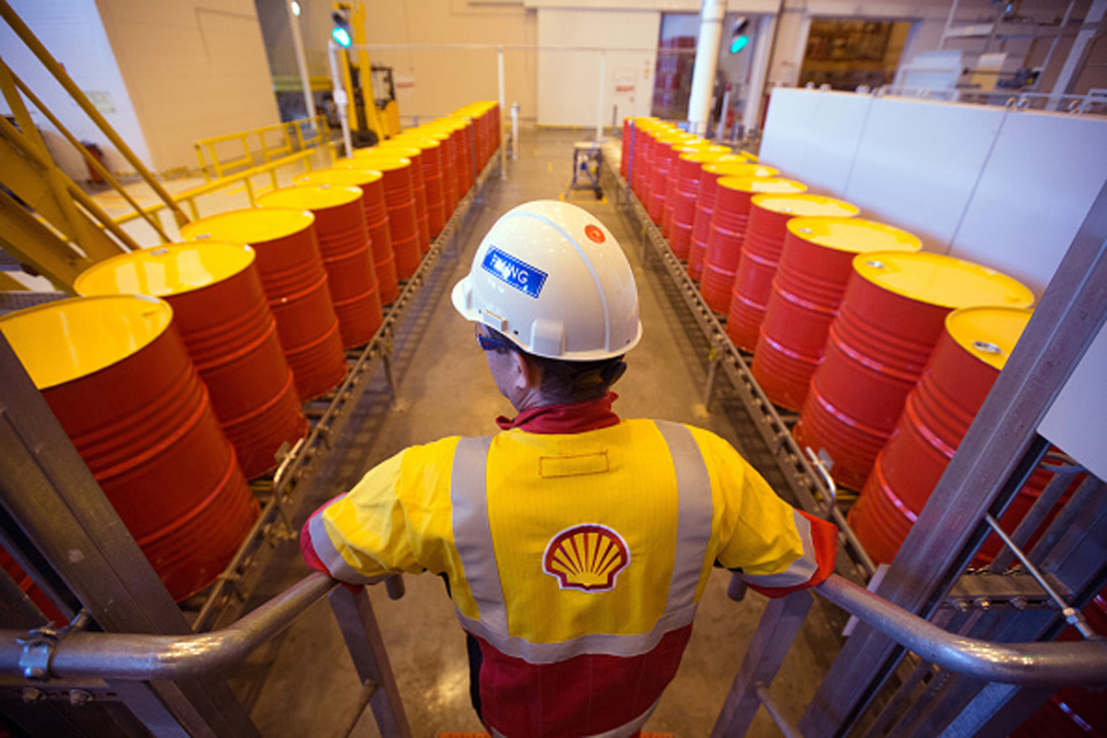
Shell has announced it will continue its $3bn quarterly share buyback programme after reporting that the Iran war's impact on oil prices and trading volumes helped drive near-record quarterly profits.
The Anglo-Dutch energy major posted net profit of $9.8bn for the April-to-July period, more than double the figure from the same quarter a year earlier and exceeding analyst expectations. Shares rose approximately two per cent on the news to 3,376.00p in early trading.
The profit surge came as Brent crude — the international oil price benchmark — reached highs of $126 at the end of April, following disruptions to market flows through the Strait of Hormuz. The narrow waterway, which connects the Persian Gulf and the Gulf of Oman, was effectively closed by Iran after war broke out at the end of February. The Strait of Hormuz typically carries roughly a fifth of global oil consumption, making it one of the most strategically important energy chokepoints in the world.
Shell CEO Wael Sawan said the war had caused "severe disruption in global energy markets."
Gas production impacted by conflict
The blue-chip firm also faced adverse effects from the conflict. Shell reported a 30 per cent year-on-year decline in production from its integrated gas division.
Shell's Pearl gas-to-liquids facility in Qatar halted production in March after being struck during military strikes. Liquefied natural gas facilities in Qatar partly owned by Shell were also affected. The Pearl site has been unable to produce gas since the missile attack. Qatar is one of the world's largest exporters of liquefied natural gas, and disruptions to its output ripple through global gas supply chains, particularly for European and Asian buyers who depend on seaborne LNG imports.
Oil market tensions have returned over the past week to levels not seen since early June, after both the United States and Iran cautioned that expectations of a return to peace negotiations were premature. Brent crude briefly broke above $100 and has since traded above the $90 mark following the collapse of peace talks.
"Volatility is the new normal," Sawan told CNBC on Thursday. "What we have been trying to build is a company that is able to thrive through volatility… the macro is such that the commodity prices are high and that provides a very strong tailwind for our results."

