Seoul Shares Open Higher as Semiconductor Stocks Gain on Revived AI Optimism
Key Takeaways
- •The KOSPI gained 0.78 percent to 7,049.90 by 9:15 a.m., extending the previous session's surge of more than 4 percent.
- •Chipmakers led the rally, with Samsung Electronics up 1.11 percent and SK hynix up 2.97 percent, while Hyundai Motor and LG Energy Solution fell.
- •Rising Middle East tensions pushed up oil prices, and Tehran said a deal with Oman on Strait of Hormuz shipping was imminent while warning of attack risks off Oman's coast.
- •Investors are focused on Federal Reserve rate decisions and Friday's inflation report, as higher US rates affect capital flows into emerging-market assets.
- •The Korean won strengthened 8.15 won to 1,338.55 against the US dollar, and US markets were closed Sept. 7 for Labor Day, leaving no fresh Wall Street cues.
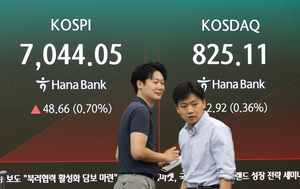
Seoul shares opened higher Tuesday, led by gains in semiconductor stocks, as escalating tensions in the Middle East pushed up oil prices.
The benchmark Korea Composite Stock Price Index (KOSPI) opened 0.72 percent higher and extended its gains, trading up 54.51 points, or 0.78 percent, at 7,049.90 as of 9:15 a.m.
The rally follows a surge of more than 4 percent in the previous session, driven by a rally in tech stocks amid revived hopes for artificial intelligence-related earnings momentum. Semiconductors carry heavy weight in the KOSPI, with Samsung Electronics and SK hynix — both major suppliers of memory chips used in AI data centers — among the index's largest components, which makes the sector's performance a key driver of overall market direction in Seoul.
The US stock market was closed on Sept. 7 for the Labor Day federal holiday, leaving investors without fresh cues from Wall Street at the open.
Higher energy prices are fueling inflation concerns, with investors closely watching whether the Federal Reserve will raise interest rates or keep them on hold. Investors are also awaiting Friday's inflation report for clues about the central bank's rate path. Rate decisions by the Fed are a key variable for emerging-market assets such as Korean stocks and the won, as higher US rates tend to affect capital flows into riskier markets.
On the geopolitical front, Tehran said a deal with Oman to manage shipping through the Strait of Hormuz was imminent, while warning that ships faced the risk of attack off the Omani coast. The Strait of Hormuz is one of the world's most important oil shipping chokepoints, and disruptions there have historically moved global crude prices, with knock-on effects for energy-importing economies such as South Korea.
In Seoul, tech shares led the gains. Market bellwether Samsung Electronics rose 1.11 percent, and its chipmaking rival SK hynix climbed 2.97 percent. State-run utility Korea Electric Power Co. jumped 3.82 percent, and leading refiner SK Innovation advanced 1.6 percent.
Among decliners, top carmaker Hyundai Motor fell 0.76 percent, and leading battery maker LG Energy Solution declined 1.24 percent.
The Korean won was trading at 1,338.55 won against the US dollar as of 9:15 a.m., up 8.15 won from the close of the previous stock trading session. (Yonhap)
