Three Arrested in South Korea for $9 Million XRP Investment Fraud Targeting 71 Investors
Key Takeaways
- •Seoul police apprehended three individuals who allegedly collected approximately 3.4 million XRP from 71 investors through a fraudulent platform before shutting it down and disappearing.
- •The suspects copied Flare Network and FXRP branding to create false legitimacy while promising guaranteed principal protection and monthly returns between 1.5% and 1.8%.
- •Investigators froze 17.3 billion won in virtual assets, but wallet analysis revealed 27.3 billion won in transfers connected to the scheme, with approximately 10 billion won moved during the probe.
- •Two 29-year-old suspects were arrested, a 34-year-old accomplice faces prosecutor referral, and another 29-year-old suspect who fled abroad is subject to an Interpol Red Notice.
- •The case ranks among South Korea's larger cryptocurrency fraud investigations since the country enacted stricter virtual asset service provider regulations under the Specified Financial Transaction Information Act.
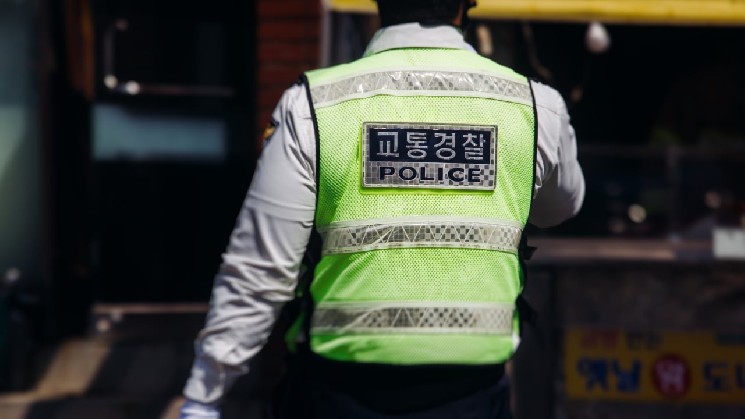
Seoul Police Apprehend Suspects Behind Fake XRP Platform
The Seoul Metropolitan Police Agency announced on July 30 that investigators had apprehended three individuals accused of operating a fraudulent XRP investment platform, according to the Korean newspaper Chosun. Authorities allege the group collected approximately 3.4 million XRP from 71 investors between October 16 and October 23 before shutting down the website and disappearing. The case is among the larger cryptocurrency fraud investigations pursued by South Korean authorities since the country implemented stricter virtual asset service provider regulations under the Act on Reporting and Using Specified Financial Transaction Information.
The suspects allegedly promoted Fxrpntwork.com through portal blogs, online articles, and YouTube videos, promising guaranteed principal protection and monthly returns between 1.5% and 1.8%. Investors were instructed to move XRP from South Korean exchanges through overseas platforms before transferring the assets into wallets controlled by the group. The routing through overseas intermediaries mirrors techniques documented in other cross-border crypto fraud cases, where layering transfers across multiple jurisdictions complicates asset recovery.
Seoul police issued a warning to prospective cryptocurrency investors: "Do not be misled by unverified information on YouTube or other platforms. Verify official sources before investing."
Investigators arrested two 29-year-old suspects and plan to refer the case against a 34-year-old alleged accomplice to prosecutors. Authorities are also pursuing another 29-year-old suspect who fled abroad, having obtained an Interpol Red Notice. Police continue examining additional participants accused of building and promoting the fraudulent website.
Fraudsters Copied Flare and FXRP Branding
The alleged operators used the names Flare Network and FXRP to make their platform appear connected to legitimate blockchain infrastructure. Flare's official FAssets system is designed to represent assets such as XRP on the Flare network through overcollateralized mechanisms, enabling those tokens to participate in decentralized applications.
Ripple has warned that cryptocurrency impersonation schemes frequently copy trusted names, logos, videos, websites, and executive identities to manufacture false credibility. Interpol has also identified financial fraud as an increasingly organized cross-border threat, with criminal networks leveraging digital platforms and rapid transfers to move proceeds across jurisdictions before authorities can intervene.
Guaranteed Returns Remain a Common Crypto Fraud Signal
Impersonation scams involving XRP have increasingly relied on counterfeit promotions, fabricated endorsements, and promises that victims will receive additional tokens after sending funds. Warnings about expanding XRP impersonation schemes have emphasized that legitimate companies do not request cryptocurrency transfers through unsolicited promotions, particularly when scammers combine familiar branding with urgent instructions or guaranteed returns.
FBI data on billions of dollars in cryptocurrency scam losses shows that investment fraud continues producing substantial losses across borders, often involving fake dashboards and fabricated account balances. An international cryptocurrency scam crackdown resulting in 276 arrests also targeted networks accused of moving victims' assets through layered wallets, exchanges, and overseas financial channels.
Investigators Freeze Assets Amid Ongoing Probe
South Korean investigators froze 17.3 billion won in virtual assets shortly after detecting the alleged scheme, though approximately 10 billion won moved during the investigation. Wallet analysis later identified 27.3 billion won in transfers connected to the addresses, prompting authorities to examine whether additional victims and accomplices remain unidentified. The gap between frozen and transferred amounts underscores the difficulty South Korean and other national authorities face when suspects move cryptocurrency across borders before court orders take effect.