Seoul to Host Inaugural Inter-Continental Dialogue Among Political Parties
Key Takeaways
- •The first Inter-Continental Dialogue among Political Parties will take place in Seoul from September 6 to 9, with up to 23 parties from 24 countries across four continents participating.
- •Participants are expected to adopt the Seoul Declaration, which will set out a road map for future multilateral dialogue managed by the ICAPP.
- •The conference agenda covers climate change, geopolitical friction, economic uncertainty and rapid technological change, including artificial intelligence governance.
- •Chung Eui-yong, a former Korean foreign minister and national security adviser, will chair the event, with Chinese and Russian representatives joining virtually.
- •The ICAPP, founded in the Philippines in 2000, now includes up to 360 political parties from 52 countries across Asia and Oceania.
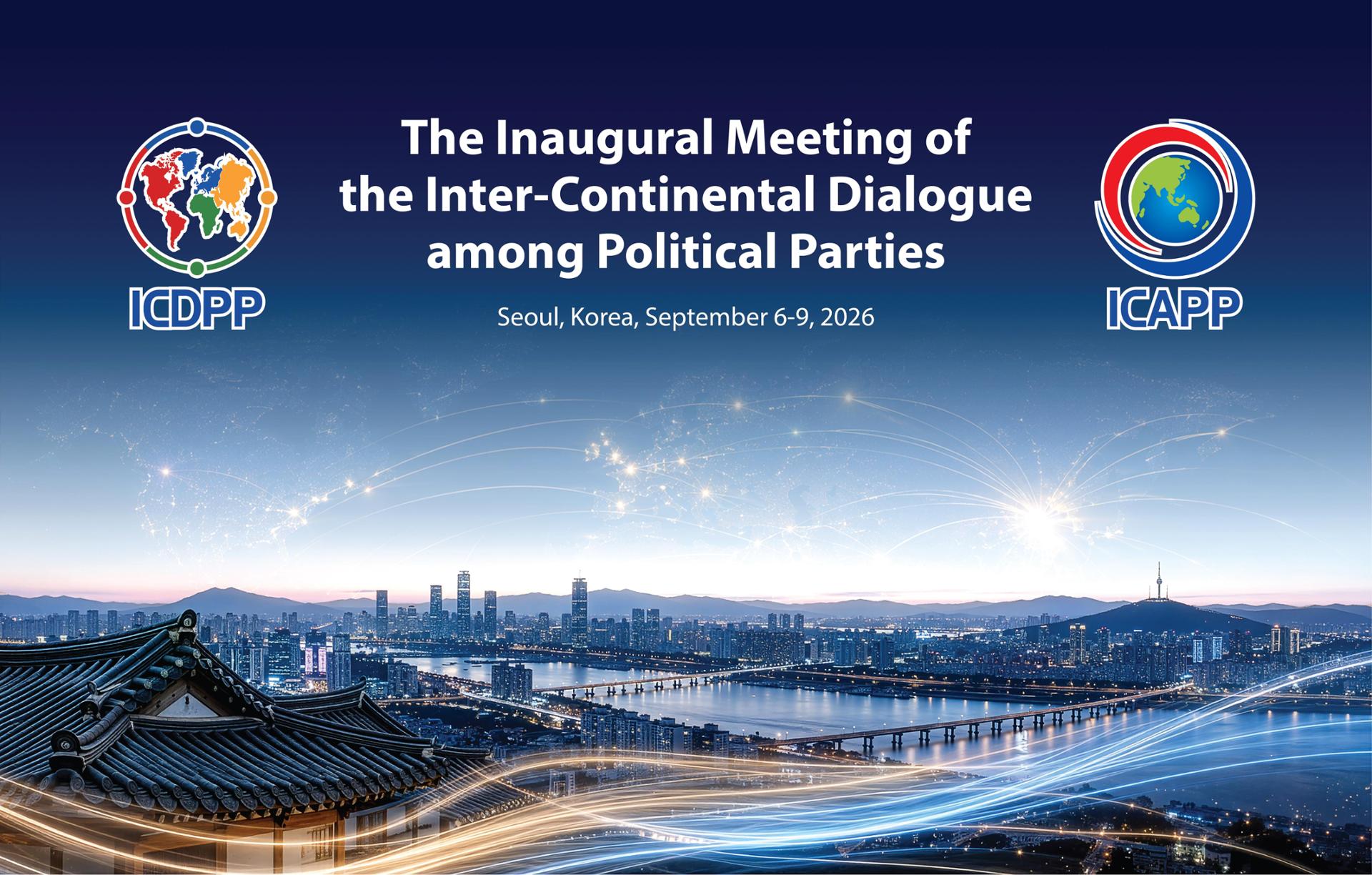
Seoul will host the first-ever Inter-Continental Dialogue among Political Parties (ICDPP) from Sept. 6 to 9, bringing together up to 23 political parties from 24 countries across Asia, Africa, the Americas and Europe to explore how political organizations can jointly address growing global uncertainties.
The inaugural conference, organized by the Secretariat of the International Conference of Asian Political Parties (ICAPP), is themed "From Vision to Reality" and will focus on frameworks for sustainable intercontinental cooperation. Participants are expected to adopt the Seoul Declaration, outlining a road map for future multilateral dialogue managed by the ICAPP.
The dialogue reflects a broader trend of party-to-party diplomacy operating alongside formal government channels. Unlike intergovernmental bodies such as the United Nations, inter-party forums bring together ruling and opposition parties alike, allowing dialogue to continue even when official diplomatic relations between governments are strained. By expanding an Asia-focused mechanism into an intercontinental format that includes parties from Africa, the Americas and Europe, the organizers are positioning the ICAPP as a platform for cross-regional political exchange at a time when multilateral cooperation is under pressure on multiple fronts.
The conference will be chaired by Chung Eui-yong, a former Korean foreign minister and national security adviser under the Moon Jae-in administration. Standing committee members set to attend include co-Chairman Mushahid Hussain Sayed of Pakistan, Suos Yara of Cambodia, Zafer Sırakaya of Turkey, Salman Khurshid of India, Theo Sambuaga of Indonesia, Maiko Tajima of Japan and Nguyen Thi Hoang Van of Vietnam. Sun Haiyan of China and Andrey Klimov of Russia will join the event virtually.
The agenda spans major global challenges, including climate change, geopolitical friction, economic uncertainty and rapid technological change, notably artificial intelligence. The inclusion of AI on the agenda comes as governments and international organizations worldwide are grappling with how to govern the technology's rapid development, and the Seoul gathering will consider how political parties across regions can coordinate on such emerging issues.
The ICAPP was founded in the Philippines in 2000 with the aim of fostering dialogue and cooperation among political parties across Asia and Oceania. It currently counts up to 360 political parties from 52 countries among its members and serves as an international inter-party consultative body dedicated to peace and common prosperity. Whether the Seoul Declaration translates into a durable, regularly convened intercontinental dialogue — the test implicit in the conference's theme — will depend on follow-up by the participating parties.
