GOP Senators 'Deeply Unsettled' as Pentagon Skips Mandated Defense Strategy Briefing
Key Takeaways
- •Elbridge Colby, the Pentagon's undersecretary of defense for policy, did not provide the National Defense Strategy briefing he was obligated by law to deliver to the Senate Armed Services Committee by Sept. 15.
- •Senators from both parties, including Republicans Kevin Cramer and Mike Rounds, faulted the briefing for lacking direct answers and for the absence of the required report.
- •Colby told lawmakers that discussions about deploying the National Guard at polling places on Election Day were taking place, though he said he was not leading on the issue.
- •Joint Chiefs Chairman Gen. Dan Caine stated in a letter last month that there are no plans to send federal military personnel or federalized National Guard members to polling places during the 2026 elections.
- •Lawmakers also found Colby's responses on the Iran war and other defense matters unsatisfactory, deepening concerns about congressional oversight of Pentagon planning.
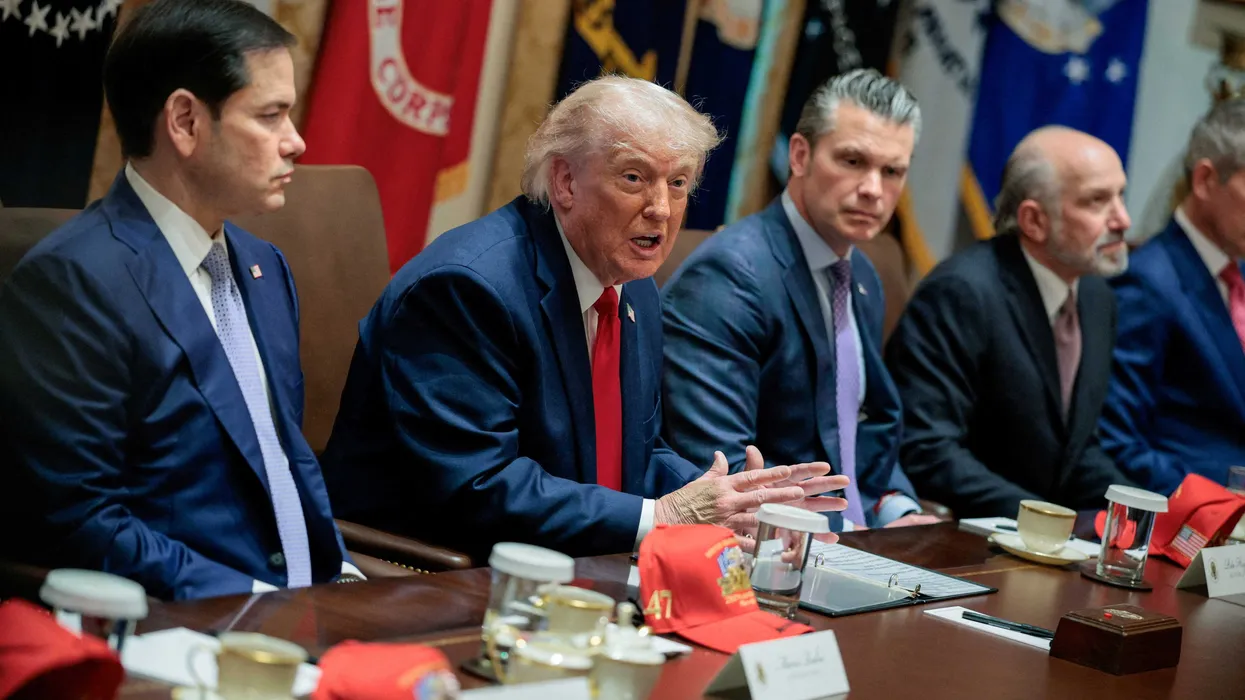
Republican senators are voicing mounting frustration with the Pentagon's evasive behavior, according to a report published by PBS on Friday, which described a classified meeting between senators and Defense Department officials serving under President Donald Trump at which lawmakers found the department "frustratingly opaque."
According to PBS, senators from both parties said they were left deeply unsettled on Thursday after the Pentagon's top policy adviser, Undersecretary of Defense for Policy Elbridge Colby, failed to deliver an expected update on the Trump administration's National Defense Strategy at a classified briefing. The lawmakers said they were also unsatisfied with Colby's answers to questions ranging from the Iran war to growing concerns that Trump could deploy troops to polling places during November's midterm congressional elections. Colby acknowledged that discussions about deploying the National Guard were taking place.
Senator Kevin Cramer (R-ND) characterized the session as "just sort of dodge and punt," saying officials offered little in the way of direct answers or substantive information. "It's very peculiar to have somebody come in for a congressionally mandated update and not have a statement," he said.
Colby, who has supporters and detractors on Hill, had been expected to provide a required briefing on the National Defense Strategy, the comprehensive document that provides guidance for the military. Such strategies typically anchor the Pentagon's budget requests, force planning, and global posture, making the mandated update a key checkpoint in Congress's oversight of how the military is being postured. Under the annual National Defense Authorization Act approved by Congress, he was obligated to give the Senate Armed Services Committee a classified briefing on implementation of the strategy no later than Sept. 15.
"It was not what we had expected," said Senator Mike Rounds, a member of the committee. "Let's just put it that way: They owe us a report, and we did not get the report." Whether the Pentagon now delivers the report stands as the immediate follow-up for the committee.
At one point, PBS reported, Colby was asked directly whether he had ever engaged in any discussions about deploying the National Guard for voter security on Election Day. He told senators that he had heard some of those discussions were taking place but that he was not leading on the issue. The prospect of deploying troops has drawn increasing attention as the midterms approach; questions about federal forces at polling places touch on long-standing legal limits on the domestic use of the military. Senator Elissa Slotkin (D-Mich.) recently pressed Defense Secretary Pete Hegseth and Gen. Dan Caine, chairman of the Joint Chiefs of Staff, to confirm that they would not send troops to polling places. In a letter last month, Caine responded to Slotkin that there are "no plans to send Federal military personnel or Federalized members of the National Guard to polling places during the 2026 elections."
Still, as Cramer noted, when Colby was pressed on such concerns, he "never once said 'yes' or 'no.'"

