US Senator Seeks Probes into Tether Over Iran-Linked Wallets
Key Takeaways
- •A 28-page minority report by Democratic staff on the Senate Permanent Subcommittee on Investigations found that 84% of 846 Iran-linked wallets analyzed transacted exclusively or almost exclusively in USDT.
- •The report alleges Tehran uses USDT to move funds across borders, support the rial through the Central Bank of Iran, and finance proxy groups such as Hezbollah along with drone and missile programs.
- •Senator Richard Blumenthal requested investigations by Attorney General Todd Blanche and Treasury Secretary Scott Bessent into whether Tether violated sanctions and banking laws by not acting on suspicious wallets absent official orders.
- •Tether reports nearly USD 550 million in Iran-linked freezes it supported in 2026, including USD 344 million in April coordinated with OFAC, out of more than USD 4.9 billion frozen worldwide.
- •The report highlights personnel ties between Tether and the US government, noting Commerce Secretary Howard Lutnick formerly led custodian Cantor Fitzgerald and Tether U.S. CEO Bo Hines previously directed the White House Crypto Council.
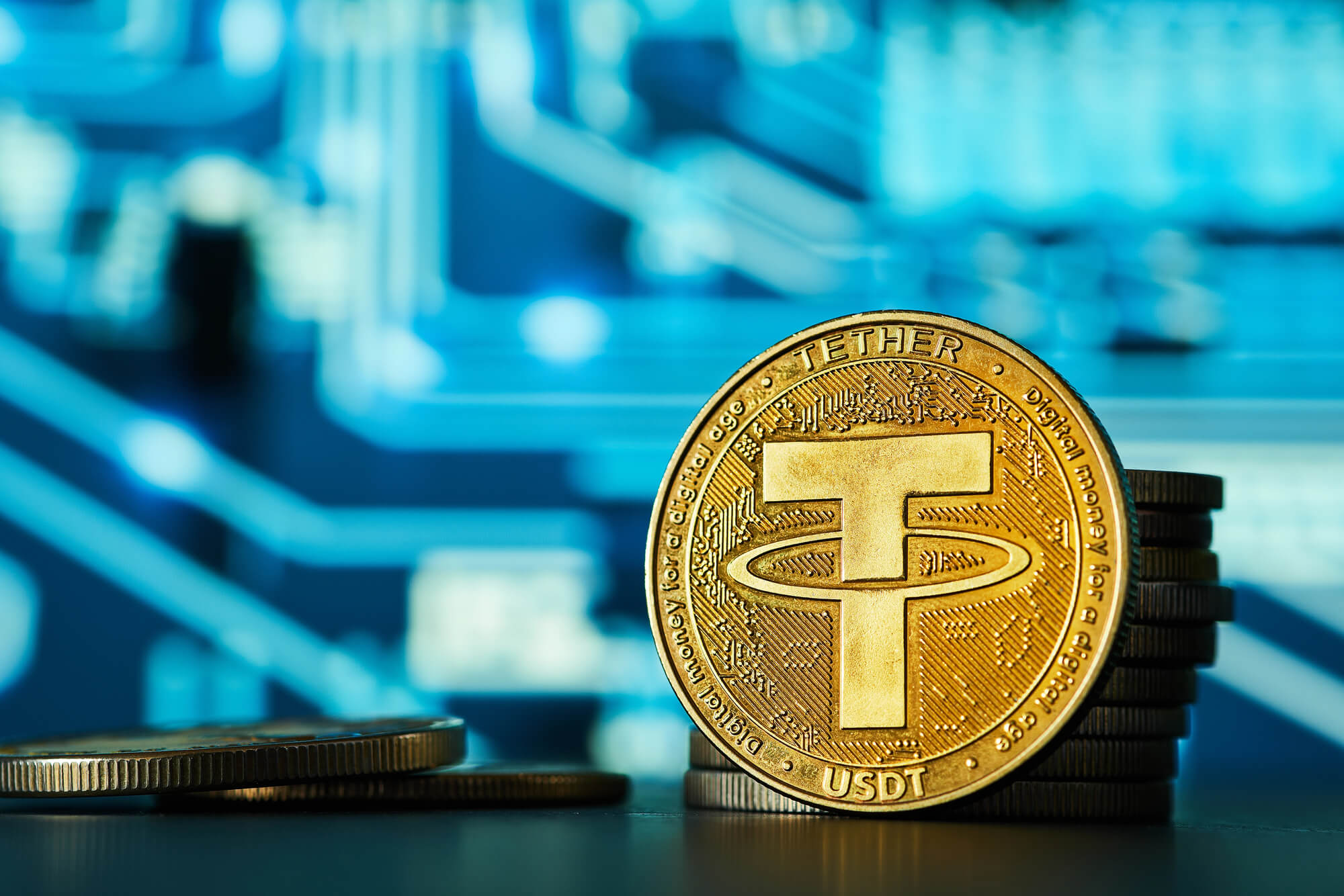
Democratic investigators in the US Senate have placed Tether's stablecoin USDT at the center of Iran's shadow banking system. Of 846 Iran-linked wallets examined, 84% transacted almost exclusively in USDT. Tether, for its part, points to nearly USD 550 million in frozen Iran-linked funds in 2026.
A minority report with political weight
The 28-page report comes from Democratic investigators on the Permanent Subcommittee on Investigations (PSI), the standing investigative body of the US Senate. Its investigators work under Senator Richard Blumenthal, the panel's ranking Democrat. It is therefore a minority report, not a decision of the full subcommittee. Minority reports carry no legal force on their own; they document the findings and recommendations of the minority's staff. The report was published on the same day as a Tether statement on its Iran freezes. At the same time, Blumenthal called for investigations in letters to Attorney General Todd Blanche and Treasury Secretary Scott Bessent The allegations arrive during a phase of tighter US sanctions on Iran, in which the Treasury is also targeting digital assets.
Tether issues USDT, a token pegged to the US dollar that circulates as a means of payment and a store of value on blockchains such as TRON. As a centralized issuer, the company can block individual addresses and freeze the balances held on them. Frozen balances can no longer be moved by their holders. USDT is the world's largest dollar-backed stablecoin.
The report examines 846 Iran-linked wallets
The investigators analyzed blockchain transaction data from 846 crypto wallets, all of which are sanctioned or otherwise blocked in connection with Iran. On 84% of these addresses, payments ran exclusively or almost exclusively in USDT. Blumenthal concludes from this that Tether and its flagship token have become the center of Iran's shadow banking system. However, the figure only measures how common USDT is among addresses that are already sanctioned or blocked.
The investigators trace the preference for USDT to market structure. Iranian crypto exchanges use the token widely, and it offers more liquidity than alternative stablecoins. Circle's USDC, by contrast, appeared only to an extremely limited extent in the subcommittee's analysis. As a result, the finding centers on a single issuer that can technically block addresses.
According to the report, USDT serves the Iranian government as a significant financial lifeline. Tehran uses it to move money across borders and to prop up its own currency despite US sanctions, including transactions through the Central Bank of Iran. The report further says the government funds proxy groups such as Hezbollah through the token. In Blumenthal's account, Iran also uses these funds to advance hostile drone and missile programs.
Blumenthal accuses Tether of failing to freeze wallets
The accusation goes beyond the numbers and targets the issuer's conduct. Tether repeatedly failed to freeze wallets, the report states. Moreover, the report says the company did not act on wallets with strong indicators of illicit finance absent a sanctions or seizure notice, even where links to Iranian entities or terrorist organizations were publicly known. In his letters to Blanche and Bessent, Blumenthal therefore requests investigations into possible violations of sanctions and banking laws.
Personnel ties to the US government add political weight to the report. Before taking office, Commerce Secretary Howard Lutnick ran Cantor Fitzgerald, which acts as a custodian for Tether; his sons now lead the firm. The report also points to Bo Hines, now CEO of Tether U.S., who was formerly executive director of the White House Crypto Council. Consequently, Blumenthal asks whether this proximity earned Tether lenient anti-money laundering oversight. Nevertheless, the paper remains a minority position, and its thrust aims at Tether's closeness to the Trump administration. In its statement, Tether did not directly address the charge of failing to freeze wallets; instead, the company pointed to its own freezes this year.
Tether points to nearly USD 550 million in Iran freezes
In a statement, Tether puts the Iran-linked USDT freezes it supported in 2026 at nearly USD 550 million. The largest item came in April, with USD 344 million on two addresses, coordinated with OFAC, the US sanctions authority, and with US law enforcement. OFAC later listed both addresses as identifiers of the Central Bank of Iran. In July, more than USD 130 million on four TRON wallets followed, after the Treasury had expanded the central bank's designation by four addresses.
In total, Tether says it has frozen more than USD 4.9 billion worldwide, more than USD 2.4 billion of which is linked to US authorities. The issuer says it has supported more than 2,800 investigations, over 1,500 of them with US law enforcement, and works with more than 340 agencies in 67 countries. Israel's National Bureau for Counter Terror Financing has also sent tips; acting on them, Tether has so far frozen more than USD 22 million across more than 640 addresses. In September 2025, the company froze around USD 1.5 million on 39 addresses that the Israeli agency attributed to the Revolutionary Guard. That said, Tether is required to cooperate with the US government in any case.
"Tether has consistently demonstrated that USD₮ is not a haven for sanctioned actors, terrorist organizations or criminal networks." — Paolo Ardoino, CEO of Tether
Ardoino adds that public blockchains give authorities visibility into money flows that cash lacks, allowing Tether to act as soon as law enforcement provides credible information. The Senate report targets exactly this point, criticizing a lack of response outside such official tips.
Two figures measuring different things
The Senate report and Tether's tally rest on different reference points. The report measures how widespread USDT is among wallets that were already sanctioned or blocked. Tether's total, on the other hand, covers funds the issuer froze in coordination with authorities or after their actions. Neither figure shows how much USDT flowed through these wallets before the freezes — yet that figure would be decisive for assessing the allegation. Notably, both major Iran freezes of 2026 were directly tied to steps by OFAC and the Treasury.
Meanwhile, Washington is increasing pressure on Iran's crypto infrastructure. Since the start of the US military campaign against Iran this year, the Treasury has expanded its sanctions. In late August, it launched Operation Economic Outcast, which names digital assets, technology, gold, aviation and shipping as target sectors. Before that, OFAC had sanctioned Nobitex, the country's largest exchange, in June; according to the Treasury, the platform helped the central bank acquire stablecoins to support the rial. Shelbit and Aban Tether followed in August, and finally BitBank in September, which the Treasury links to Babak Zanjani. The trading venues themselves are thus now in the authorities' sights.
The Senate report, however, expects issuers to respond to strong indicators even without an official order. Attorney General Blanche and Treasury Secretary Bessent now decide on the requested investigations.

