Senate Democrats Urge SEC Chair Paul Atkins to Withdraw Proposed Crypto Rules
Key Takeaways
- •The proposed Regulation Crypto Assets framework would allow crypto companies to conduct unregistered offerings of up to $5 million over four years and up to $75 million within a 12-month period under two exemption tiers.
- •Democrats contend the proposal would prevent states from applying blue sky law registration requirements to qualifying crypto offerings, diminishing a longstanding layer of local investor oversight.
- •The Sept. 17 Innovation Exemption grants qualifying tokenized securities platforms conditional relief from the securities exchange definition and certain liquidity providers temporary dealer registration relief for five years.
- •The senators warned the tokenized-stock order could undermine pricing transparency, transaction reporting, and anti-manipulation safeguards while fragmenting liquidity across platforms.
- •Following Democratic gains in the November midterms, Warren could lead the Senate Banking Committee in 2027, strengthening the party's ability to investigate SEC crypto policy, while Atkins argues securities regulations must change to accommodate blockchain markets.
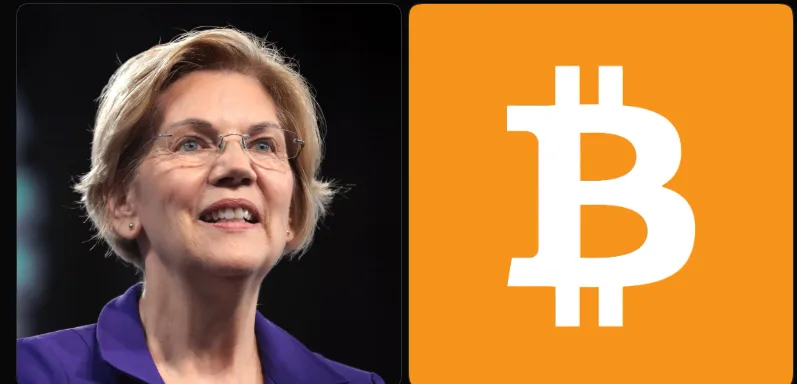
Senate Democrats are urging Securities and Exchange Commission (SEC) Chair Paul Atkins to withdraw two pending crypto measures — a proposed regulatory framework governing digital asset fundraising and a September order granting an innovation exemption for tokenized stock trading. The lawmakers warned that the rules could limit state-level enforcement and weaken investor protection.
The Senate Banking Committee published the two letters on Nov. 25, outlining concerns about investor protection and regulatory oversight. The letters, dated Nov. 24 and led by Senators Elizabeth Warren and Chris Van Hollen, target an August regulatory proposal and a separate exemption order issued in September.
Senate Democrats Challenge Proposed SEC Crypto Rules
According to materials released by the Senate Banking Committee, Warren, Van Hollen and Senator Tina Smith voiced opposition to the proposed Regulation Crypto Assets framework. The senators argued that the proposal would give crypto companies more regulatory flexibility than businesses issuing traditional securities.
The lawmakers questioned whether the proposed disclosure requirements would provide investors with enough information about crypto projects. In certain cases, companies could issue digital assets without undergoing SEC reviews or providing detailed financial statements. The senators said these exemptions could leave investors exposed to fraudulent projects.
A further concern involves the authority of state regulators. Under the proposal, states would be prevented from applying certain securities registration requirements to qualifying crypto offerings and secondary market transactions. State-level securities rules, commonly known as blue sky laws, have historically given each state an added layer of oversight over offerings sold to its residents. Democrats argued that these restrictions would limit the ability of state authorities to protect their residents.
The lawmakers also questioned the SEC's legal authority to introduce the proposed framework. They argued that the proposal could undermine longstanding Supreme Court precedent and interfere with congressional efforts to establish crypto market legislation.
SEC Crypto Deregulation Draws Further Congressional Scrutiny
The SEC introduced Regulation Crypto Assets on Aug. 18 as part of its efforts to establish clearer rules for digital assets. The proposal includes two exemptions from the registration requirements of the Securities Act of 1933 — the baseline U.S. statute requiring securities offerings to register with the regulator and disclose key information to investors — set at $5 million and $75 million in separate tiers.
Under the startup exemption, eligible crypto companies could issue up to $5 million in offerings over a four-year period without registering them. A separate fundraising exemption would allow companies to conduct offerings worth up to $75 million within any 12-month period.
Both exemptions would require issuers to provide certain disclosures. However, companies using the larger $75 million exemption would also need to submit financial statements and meet ongoing reporting requirements.
Senate Democrats Challenge Tokenized Securities Exemption
In a separate letter, Van Hollen, Warren, Smith and Senator Jack Reed asked the SEC to withdraw its Innovation Exemption. The commission issued the order on Sept. 17 to facilitate blockchain-based transactions involving tokenized stocks — traditional equities represented as digital tokens on blockchain networks.
The order provides qualifying tokenized securities platforms with conditional exemptions from the legal definition of a securities exchange. Certain liquidity providers also qualify for temporary relief from dealer registration requirements. The exemptions last for five years.
Democrats argued that the order would allow alternative stock marketplaces to operate without several protections that traditional exchanges must follow. Their concerns include pricing transparency, transaction reporting and measures against market manipulation. The dispute centers on how established equity market rules apply to trading activity built on blockchain infrastructure.
The senators also warned that separating liquidity across different platforms could fragment securities markets. They raised concerns about additional responsibilities for publicly listed companies and potential exposure to illicit financial activity.
Democrats Increase Scrutiny of SEC Crypto Policy Ahead of 2027
The letters come as Democrats prepare to assume greater congressional oversight following the November midterm elections. The party secured control of both chambers of Congress, according to election coverage.
Warren could assume leadership of the Senate Banking Committee in 2027. The position would give her greater authority to examine regulatory decisions and investigate consumer protection practices across the crypto industry.
Other Democratic senators have also questioned the Innovation Exemption. Angela Alsobrooks, Ruben Gallego, Mark Warner and Catherine Cortez Masto previously expressed concerns about market pricing and investor safeguards.
Meanwhile, Atkins maintains that existing securities regulations require changes to accommodate digital asset markets and blockchain technology.
This article provides informational content and does not constitute financial, investment or legal advice.

