Senate Democrats Urge CFTC to Withdraw Prediction Market Directive Citing Court Order Conflicts
Key Takeaways
- •Democrats on the Senate Agriculture Committee asked the CFTC to reverse a directive telling prediction market platforms to stop blocking customers in restricted jurisdictions, arguing it clashes with active court orders and undermines state and tribal law.
- •CFTC Chairman Mike Selig maintains that designated contract markets must operate nationally under the Commodity Exchange Act, but multiple federal appellate courts have sided with the states, according to the report.
- •Court orders in Michigan, Nevada and Washington, along with the lands of two California tribes, require platforms to geofence certain contracts, and the Louisiana Gaming Control Board has classified sporting event contracts as illegal gambling under a restraining order targeting Kalshi, Polymarket, Robinhood, Coinbase, Gemini, Crypto.com and others.
- •The CFTC has filed suits in a dozen states, including Arkansas, to defend its authority over prediction markets, with both the Louisiana and Arkansas disputes remaining unresolved.
- •The CFTC currently has only one commissioner, Selig, and the White House has nominated Nathan Anonick and Matthew Rowland, whose Senate Agriculture Committee confirmation hearing was scheduled for Tuesday.
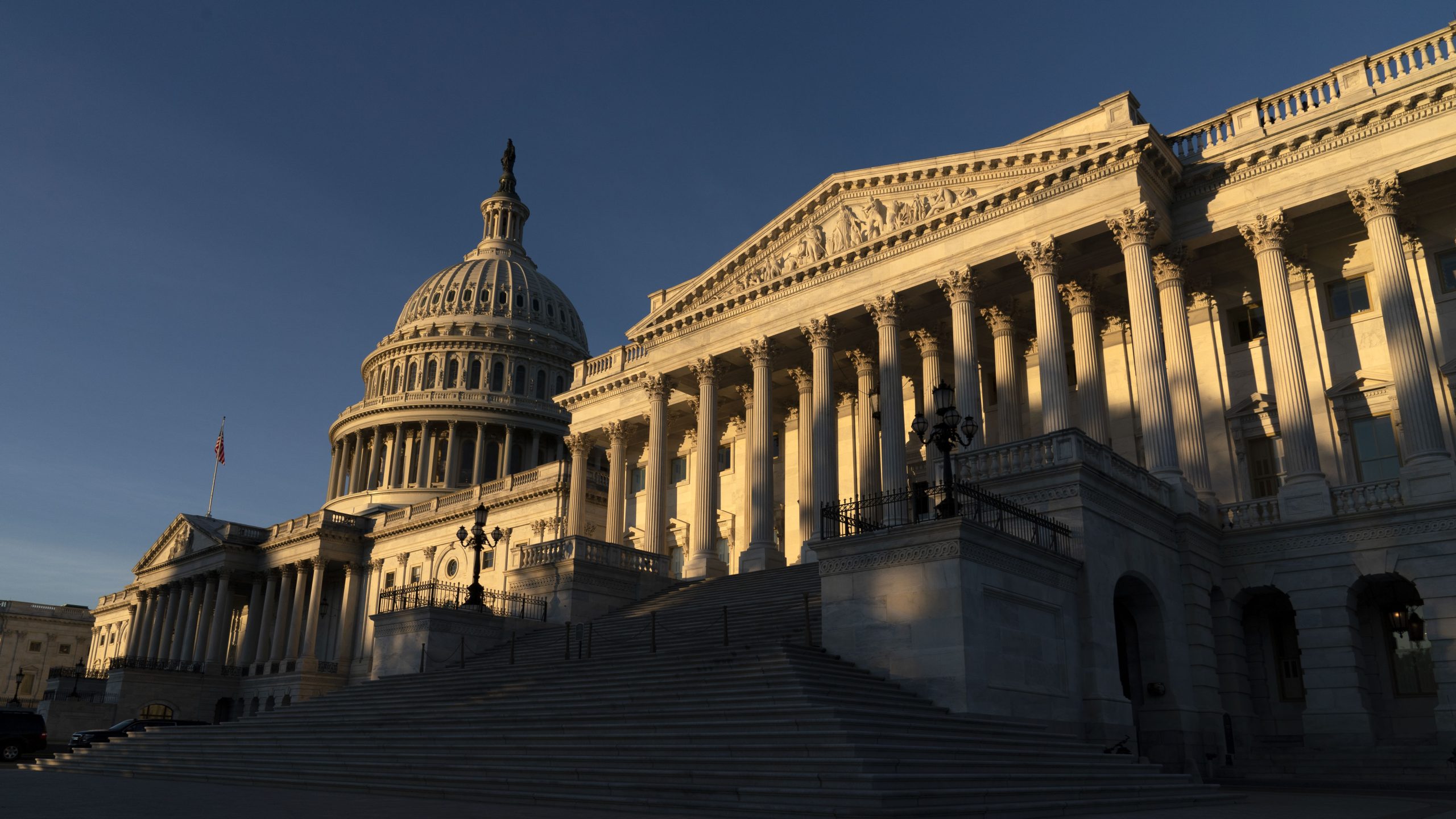
Senate Democrats are pressing the Commodity Futures Trading Commission (CFTC) to withdraw its directive requiring prediction market platforms to stop blocking customers in restricted jurisdictions. According to a letter reported by CoinDesk, the lawmakers argue the directive conflicts with active court orders as litigation continues over whether event contracts fall under federal derivatives law or state gambling rules.
The letter asks the agency to hold off until the pending cases are resolved. How that legal question is settled carries weight for the sector, since it will help determine whether platforms operate under a single federal framework or must restrict customer access state by state.
At issue is a CFTC instruction telling regulated platforms to operate without state-by-state restrictions or to explain within 30 days why they could not comply. The agency's position is that designated contract markets must function nationally under the Commodity Exchange Act. The senators counter that platforms are simultaneously subject to court orders requiring them to stop offering certain contracts in specific locations.
Lawmakers Say the Directive Clashes With Court Orders
"Your unilateral decision directly conflicts with active court orders, undermines state and tribal law, and must be reversed," the lawmakers wrote. The letter came from Democrats on the Senate Agriculture Committee, the panel with jurisdiction over the CFTC.
The senators cited court orders affecting prediction contracts in Michigan, Nevada and Washington, as well as on the lands of two California tribes. Courts in those cases required platforms to deploy geofencing, and in the senators' view, the CFTC's directive could encourage companies to offer contracts that active orders bar.
CFTC Chairman Mike Selig has maintained that federal oversight preempts state efforts to restrict platforms such as Kalshi and Polymarket, saying derivatives markets must operate on a uniform national basis. The agency and the states have been litigating the issue, and multiple federal appellate courts have sided with the states, according to the report.
State-Level Battles Keep the Federal Dispute Active
Louisiana is the latest jurisdiction pursuing restrictions. After a judge cleared the way for state officials to prohibit prediction market contracts, the Louisiana Gaming Control Board said it considers purported sporting event contracts and certain other event contracts to be illegal gambling. A temporary restraining order targeted Kalshi, Polymarket, Robinhood, Coinbase, Gemini, Crypto.com and other platforms.
The CFTC filed its own suit to halt that order, and Crypto.com sought to join the agency's action. Selig called the state's emergency lawsuit "naked lawfare and a cynical political stunt," arguing that Louisiana had long allowed event-contract trading and should continue doing so while the case proceeds. Those statements reflect Selig's position rather than a court finding.
The agency has also sued Arkansas, bringing to a dozen the number of states where the CFTC has filed suits to defend its authority over prediction markets. Arkansas had sued Kalshi on November 4, accusing the company of operating an illegal gambling business. Both the Louisiana and Arkansas disputes remained unresolved in the latest reported proceedings. Until those cases are decided, platforms are left operating between active geofencing orders in some states and a federal directive telling them to trade without such restrictions.
Commission Nominations Add a Near-Term Step
Selig is currently the CFTC's only commissioner, although the agency is legally meant to have five. The White House has nominated Nathan Anonick, a Republican Senate Agriculture Committee staffer, and Matthew Rowland, a Democratic pick who served as a senior adviser to a Democratic commissioner. The committee was scheduled to hold their confirmation hearing on Tuesday.
According to the report, a larger commission could make policy deliberations broader and give minority-party members a chance to record dissents that may later support legal challenges. Commissioners are also expected to abstain when they have conflicts; because Selig is the sole commissioner, he cannot recuse himself from any action requiring a CFTC decision.
The senators are asking the agency to pause its directive while the lawsuits continue. The nominees' Senate confirmation hearing is the next stated step in the process, with the Louisiana and Arkansas disputes and the broader federal-state question over event contracts still unresolved.

