Senate Delays Digital Asset Market Clarity Act Vote, Giving Lawmakers Time to Resolve Outstanding Issues
Key Takeaways
- •Senate Majority Leader John announced that no procedural vote on the Digital Asset Market Clarity Act will occur before the August recess, reducing the likelihood of the bill becoming law this year.
- •The Clarity Act seeks to establish the first comprehensive federal regulatory framework for digital assets by resolving jurisdictional questions between the SEC and CFTC.
- •President Trump's reported $1.4 billion in crypto-related profit was described by a negotiation source as the 'kill shot' that effectively ended talks on Friday.
- •Concerns about Trump's crypto business ties have alarmed Democrats since May 2025, originally surfacing during negotiations on the GENIUS Act for stablecoins.
- •A failed cloture vote could have ended the legislative process entirely until the next Congress, making the delay preferable to an unsuccessful vote for the crypto industry.
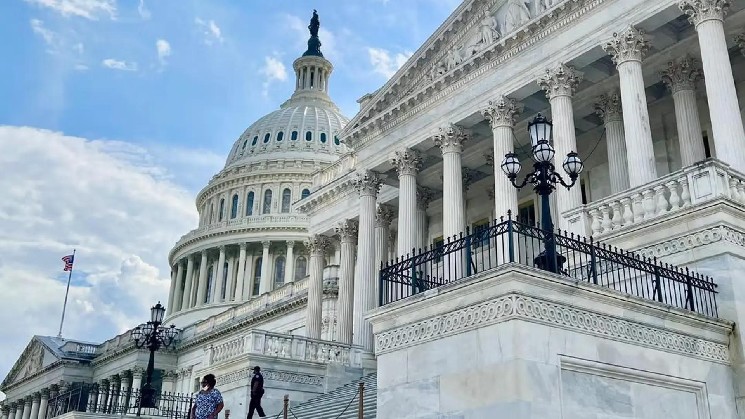
Senate Delays Digital Asset Market Clarity Act Vote Before August Recess
Senate Majority Leader John announced late last Thursday that the Senate would not hold even a procedural vote on the Digital Asset Market Clarity Act before the August recess, reducing the likelihood that the bill can become law this year. However, the prospects of a successful vote were already slim, and the delay at least provides lawmakers with additional time to address their unresolved issues.
Vote Deferred
The Digital Asset Market Clarity Act will not advance through any Senate procedural votes in August. Whether it can pass the Senate when lawmakers return in mid-September remains an open question. What does appear clear, however, is that the bill would not have made meaningful progress had a vote been held.
While the crypto industry sought a vote on the Clarity Act, a successful vote would have served the industry's interests far better than a failed one. If the bill had failed a cloture vote last week, it could have effectively ended the legislative process until the next Congress convenes. It also remains uncertain whether the Senate would have voted to advance the Clarity Act before the August recess, given ongoing concerns about President Donald Trump's crypto business ties, renewed debates over stablecoin yields and rewards, and other unresolved issues under negotiation.
The Clarity Act is part of a broader congressional effort to establish the first comprehensive federal framework for digital asset regulation, addressing a long-standing question of jurisdictional authority: which assets fall under the Securities and Exchange Commission as investment contracts and which fall under the Commodity Futures Trading Commission as commodities. Industry participants have argued that the current lack of statutory clarity forces innovation offshore and leaves market participants navigating enforcement actions rather than complying with defined rules.
Unresolved Issues Pose Obstacle
According to numerous legislative aides and industry sources, the sheer volume of unresolved issues created an almost insurmountable barrier even for a successful procedural vote. Over the course of the week, it became increasingly apparent that holding such a vote would be difficult.
The most significant issue, as CoinDesk and other news outlets have reported for months, centers on ethics. President Donald Trump's crypto business ties have alarmed Democrats for over a year. Lawmakers first expressed these concerns as far back as May 2025, during negotiations on the Guiding and Establishing National Innovation for U.S. Stablecoins Act (GENIUS Act).
Trump's reporting of $1.4 billion in profit provided a concrete representation of those concerns. A source familiar with the negotiations described it as the "kill shot" for talks on Friday.
Source: CryptoNews.net

