Crypto Clarity Act Vote Delayed Until September; Trump Highlights Growing Bitcoin Adoption
Key Takeaways
- •The Senate postponed its vote on the Clarity Act until September after Democrats insisted on delaying consideration before the August recess.
- •The legislation would create a comprehensive federal framework for cryptocurrency oversight by dividing regulatory authority between the SEC and CFTC and setting compliance standards for stablecoin issuers and exchanges.
- •The bill's latest draft includes bipartisan language prohibiting government officials from promoting or profiting from cryptocurrency, though critics such as Senator Elizabeth Warren argue it would still benefit the Trump family.
- •The Clarity Act has drawn support from major financial firms including Goldman Sachs and Fidelity, as well as from law enforcement organizations.
- •When senators return after Labor Day, the compressed September session will require passage of a government funding resolution, leaving the crypto bill to compete for limited floor time alongside other priorities.
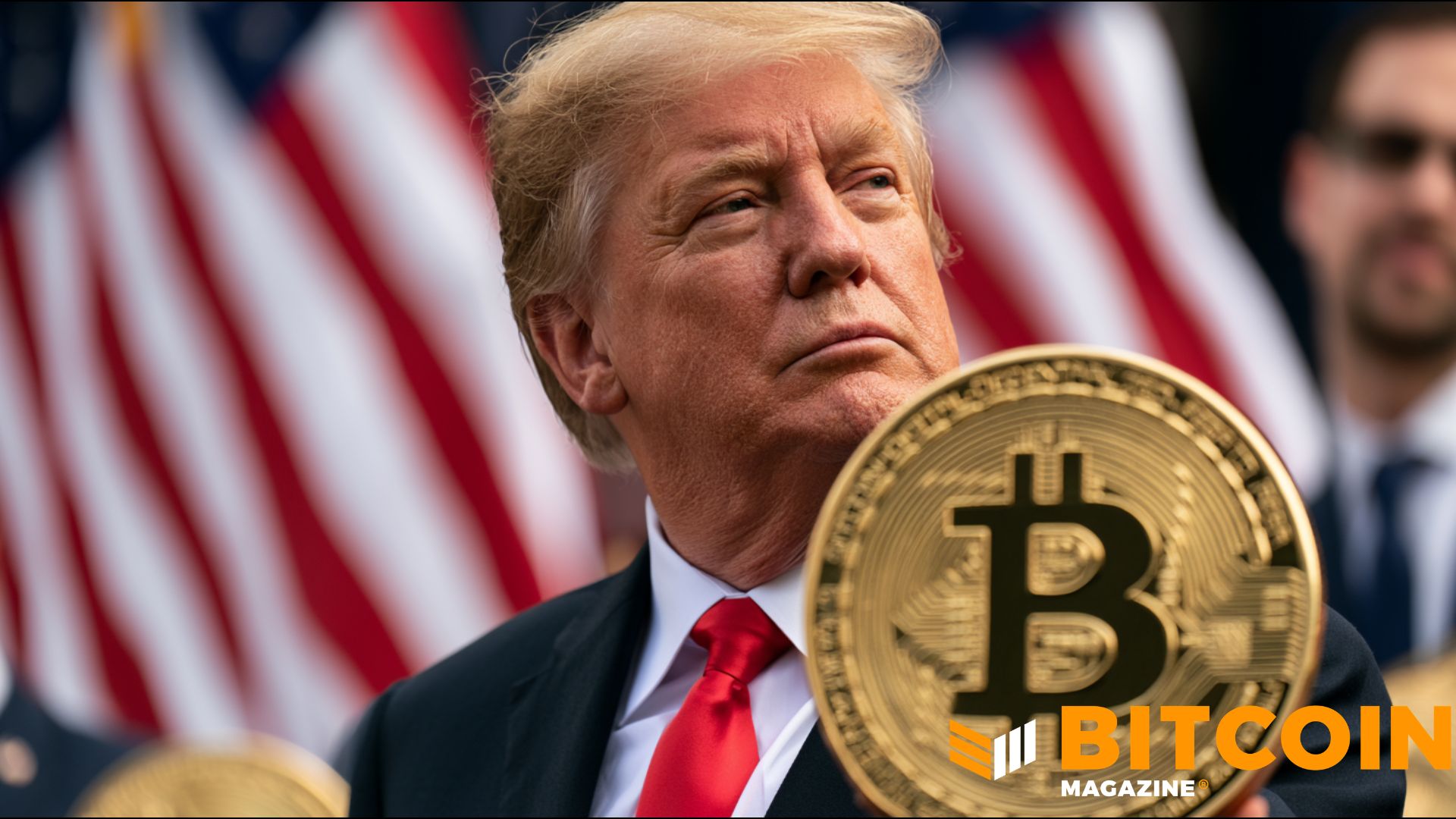
A crucial Senate vote on the Clarity Act has been pushed to September as lawmakers depart for August recess, according to a report by POLITICO.
Majority Leader John Thune told reporters Thursday evening that the delay came at the insistence of Democrats. "The Dems insisted on no Clarity vote," Thune was quoted as saying. "We're getting that queued up first thing [when] we come back in September."
The Clarity Act, a landmark cryptocurrency regulatory bill aimed at establishing clear federal rules for digital asset markets—including delineating regulatory authority between the SEC and CFTC and setting compliance frameworks for stablecoin issuers and crypto exchanges—was passed by the House of Representatives last year following bipartisan work. The legislation represents one of the most significant attempts by Congress to move crypto oversight from a patchwork of enforcement actions into a defined statutory framework, an outcome the industry has sought for years. However, the legislation has faced ongoing hurdles in the Senate throughout much of 2026.
According to some lawmakers, including Senator Cynthia Lummis, the bill's text was significantly expanded over the past year, largely at the urging of Democrats. The legislation remained deadlocked for much of 2026 as banking lobby representatives clashed with crypto exchanges over concerns related to stablecoin yield. Traditional financial institutions have pushed for a level playing field, arguing that crypto firms should face the same consumer protection, reserve, and disclosure standards that apply to banks. Democrats also pressed for stronger ethics provisions within the bill.
BREAKING: President Donald Trump says "I see it more and more where people are paying with Bitcoin, they don't even know about cash anymore." "Crypto's a big deal." pic.twitter.com/Y7ZFifz6zL
— Bitcoin Magazine (@BitcoinMagazine) August 7, 2026
Speaking in an interview with Punchbowl News on Friday, President Donald Trump addressed the Clarity Act and the ethics debate surrounding it. He noted that Democrats have also profited from stock trading, pushing back against calls for provisions that would treat him differently.
"They want a bill, and in the bill they want me to be different to everyone else," Trump said.
The President emphasized the importance of passing the legislation, stating that the United States should take the lead over China in both cryptocurrency and artificial intelligence. The geopolitical framing reflects a broader concern among policymakers that the absence of comprehensive crypto rules has pushed talent, capital, and development activity to jurisdictions with clearer frameworks, such as the European Union under its Markets in Crypto-Assets (MiCA) regulation and the United Kingdom's advancing digital asset regime. He also remarked on the growing use of Bitcoin for everyday transactions: "You see people paying with Bitcoin and they don't even know about cash anymore."
Some Washington lawmakers have criticized the Trump family's involvement in digital asset ventures, including the President's memecoin, $TRUMP, and the World Liberty Financial project. Trump and the White House have consistently denied any conflicts of interest.
The latest draft of the Clarity Act, which began circulating in July, contains bipartisan language—drafted by both Democrats and Republicans—banning government officials from promoting or profiting from cryptocurrency. Despite these provisions, critics such as Senator Elizabeth Warren, who has opposed the Clarity Act from the outset, have argued that the legislation would still benefit the President and his family.
The bill has garnered support from major financial institutions beyond the crypto industry, including Goldman Sachs and Fidelity, as well as from law enforcement groups. When senators return after Labor Day, the September session will be compressed by the need to pass a continuing resolution to keep the government funded, meaning the Clarity Act will compete for limited floor time alongside other must-pass legislation.
Originally published by Bitcoin Magazine, written by Mathew Di Salvo.

