Senate Advances Federal Energy Permitting Bill in 73-25 Vote
Key Takeaways
- •The Senate advanced BAAJA in a 73-25 vote, reflecting broad bipartisan support for energy permitting reform.
- •The legislation would amend the National Environmental Policy Act, the Clean Water Act, and the Endangered Species Act of 1973 to shorten review periods and reduce the number of projects requiring federal reviews.
- •The Solar Energy Industries Association and more than 300 groups co-signed a letter urging the House to pass the bill.
- •A SEIA analysis claims BAAJA could add 167 GW of new solar capacity to the grid between 2028 and 2035 while curbing U.S. CO2 emissions by 20%.
- •Environmental groups, including Environment America and the Sierra Club, warn the bill could weaken air, water, and wildlife protections and limit public input on projects.
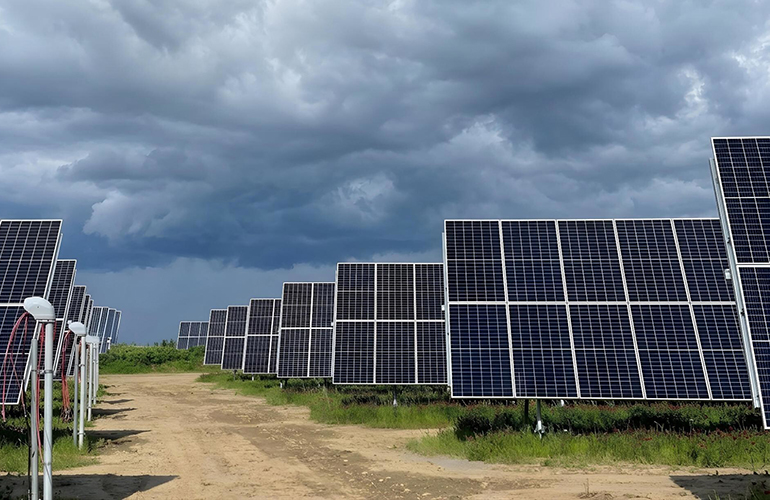
The U.S. Senate is moving ahead with legislation designed to shorten permitting timelines for energy projects — a step supporters say will help lower electricity costs, but one that environmental groups warn could roll back longstanding protections for air, water, and wildlife.
According to a report by The Associated Press, the Senate voted 73-25 to advance the Bipartisan American Affordability and Jobs Act of 2026 (BAAJA). The bill was drafted in response to growing electricity costs, driven in part by grid-connected hyperscale data centers. By reducing permitting times, energy projects such as solar farms or onshore oil drilling could come online sooner and help address rising energy costs. The wide margin of the vote underscores bipartisan appetite for permitting changes, even as the bill's environmental provisions remain deeply contested.
Environmental organizations, however, consider BAAJA a reckless response to the immediate need for more power. The legislation would amend sections of the National Environmental Policy Act, the Clean Water Act, and the Endangered Species Act of 1973 to shorten review periods for new projects and to reduce the number of projects that require reviews under those laws. Those statutes form the backbone of federal environmental oversight — covering how agencies assess the effects of major projects, how pollution into U.S. waters is regulated, and how imperiled species are protected — making them central to how large-scale energy construction is vetted.
“We shouldn’t and don’t need to endanger our wildlife just to save a few dollars on gas. We shouldn’t and don’t need to weaken the rules that protect our water from pollution in order to build more clean energy. We shouldn’t facilitate more global-warming air pollution. And we definitely shouldn’t be taking away the public’s right to weigh in on projects that can ruin their environment, make them sick and lessen their quality of life,” said Lisa Frank, executive director of Environment America.
Despite the bill’s potential impact on environmental measures, the Solar Energy Industries Association (SEIA) has voiced its support for BAAJA, as have hundreds of companies in the solar and energy storage industry. More than 300 groups co-signed a letter addressed to Congress yesterday imploring the House to pass the bill — a sign that the bill’s next test lies in the other chamber.
“Americans urgently need lower energy costs, a better electric grid and more energy made in the U.S.A. This bipartisan legislation delivers all three,” said Tim Pawlenty, CEO of SEIA.
A SEIA analysis claims that passing BAAJA could spur 167 GW of new solar energy on the grid between 2028 and 2035, while curbing the country’s CO2 emissions by 20% — projections that come from one of the bill’s leading industry backers.
“Updating and expediting transmission and clean energy permitting is essential to delivering lower costs, reduced air, water and climate pollution, protecting communities and expanding the grid for the American people,” said Loren Blackford, executive director of the Sierra Club, in a press statement on Sunday. “But rushing legislation that erodes Tribal sovereignty and people’s right to have a say in what is built in their communities, abandons clean water safeguards and wildlife protections, while further enabling a rogue president that is waging a war on clean energy and our public lands is not an acceptable outcome.”
Whether BAAJA can hold its bipartisan Senate coalition through final passage — and clear the House — will determine whether the permitting overhaul becomes law.
Source: Solar Power World

