Chip Rout Deepens as Semiconductor Selloff Shifts Investor Sentiment Across Markets
Key Takeaways
- •The MSCI World Semiconductor Index fell about 13% in July 2026 after a long period of strength.
- •South Korea’s Kospi dropped 11% in one day, and the Philadelphia Semiconductor Index fell more than 11% from its June 2026 record high.
- •Semiconductor funds recorded about $11 billion of outflows in the week ending June 24, 2026.
- •Broadcom’s more cautious AI-chip guidance helped trigger questions about AI spending, sector valuations, and competition from Chinese chipmakers.
- •Despite the selloff, the Philadelphia Semiconductor Index remains higher year to date, indicating the long-term trend has been repriced rather than fully reversed.
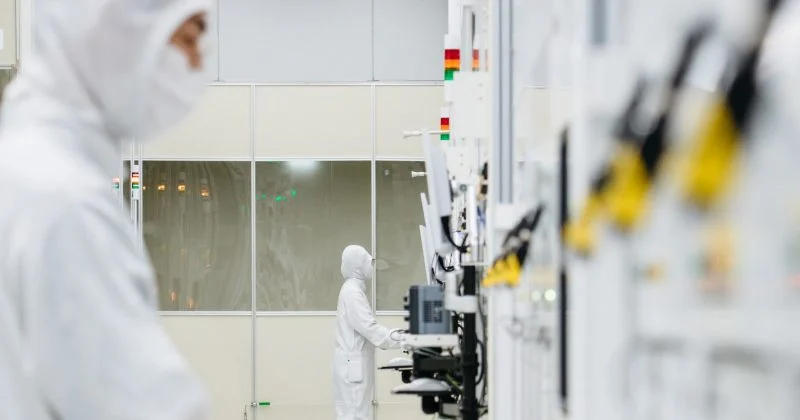
The semiconductor trade that powered markets for much of the past two years has hit a wall. The MSCI World Semiconductor Index fell about 13% in July 2026, turning what began as routine profit-taking into a broader sector rout that is now spilling into stock indices around the world.
The damage has not been confined to one region. South Korea’s Kospi index fell 11% in a single day, with Samsung Electronics and SK Hynix among the biggest drags. In the United States, the Philadelphia Semiconductor Index, a key Wall Street benchmark for chipmakers, dropped more than 11% from its June 2026 record high. Semiconductors funds also saw record outflows of roughly $11 billion in the week ending June 24, 2026, indicating that investors may be reassessing the sector’s near-term outlook rather than simply taking profits. That matters because semiconductors have been a central part of the market’s AI-driven growth story, so weakness there can influence not just chipmakers but broader sentiment toward technology exposure.
What broke the AI chip narrative
The cracks began to appear before the July selloff technically started. Broadcom issued more measured AI-chip guidance, which came as a surprise to a market that had become conditioned to expect only upbeat results from anything tied to artificial intelligence.
There are three main concerns behind the shift. First, investors are questioning whether AI spending can remain at current levels or whether companies have been pulling demand forward in a way that will eventually normalize. Second, valuations across the chip sector had risen to levels that left little room for disappointment. Third, competition from Chinese semiconductor companies has introduced a geopolitical factor that makes the outlook harder to model with confidence. Together, those pressures help explain why a single cautious update can have a wider effect in a sector where expectations had become elevated.
The crypto rotation angle
As money moved out of semiconductor positions, some capital appeared to rotate into crypto-related equities. Bitcoin itself has not been leading the move, and Bitcoin miners have lagged in performance. Even so, crypto-adjacent stocks have drawn interest from investors seeking growth exposure outside the AI hardware complex.
That shift is notable because it suggests the rotation is happening within equity markets rather than directly into digital assets. In other words, a move away from semiconductors does not automatically translate into stronger demand for Bitcoin or Ethereum; in practice, the beneficiaries have tended to be listed companies with crypto exposure rather than the underlying tokens themselves.
What this means for investors
The semiconductor correction presents a complicated picture. Despite the recent decline, the Philadelphia Semiconductor Index remains higher year to date, suggesting that the long-term growth narrative has not been overturned, but rather repriced.
The record fund outflows point to the possible disappearance, at least temporarily, of the institutional buying that had supported these stocks for months. Broadcom’s guidance is not just an isolated event; it may also indicate that the AI spending cycle is entering a more mature and less explosive phase.
For traders watching the market, the key question is whether semiconductor outflows stabilize or accelerate. If weekly outflows remain near the $11 billion pace, pressure on chip stocks could intensify and weigh on broader indices. If selling pressure fades and value buyers return, the rotation into crypto-related equities could unwind just as quickly as it began.

