London AI Car Firm Seeing Machines Posts Revenue Surge on EU Driver-Monitoring Mandate
Key Takeaways
- •Seeing Machines reported a 45% year-over-year revenue increase to $76.3 million, with second-half revenue surging 126%.
- •The EU General Safety Regulation, effective 7 July 2026, mandates camera-based driver monitoring technology in all new vehicle registrations across Europe.
- •Production volumes of vehicles equipped with Seeing Machines technology grew 195% to approximately 4.5 million units, including a record 2.1 million units in the fourth quarter alone.
- •The company expects second-half pre-tax earnings between $10.7 million and $11.7 million, reversing a $13.7 million loss recorded in the first half.
- •Seeing Machines expanded globally by partnering with three Japanese automakers and securing an additional $40 million in new programs with existing European manufacturer clients.
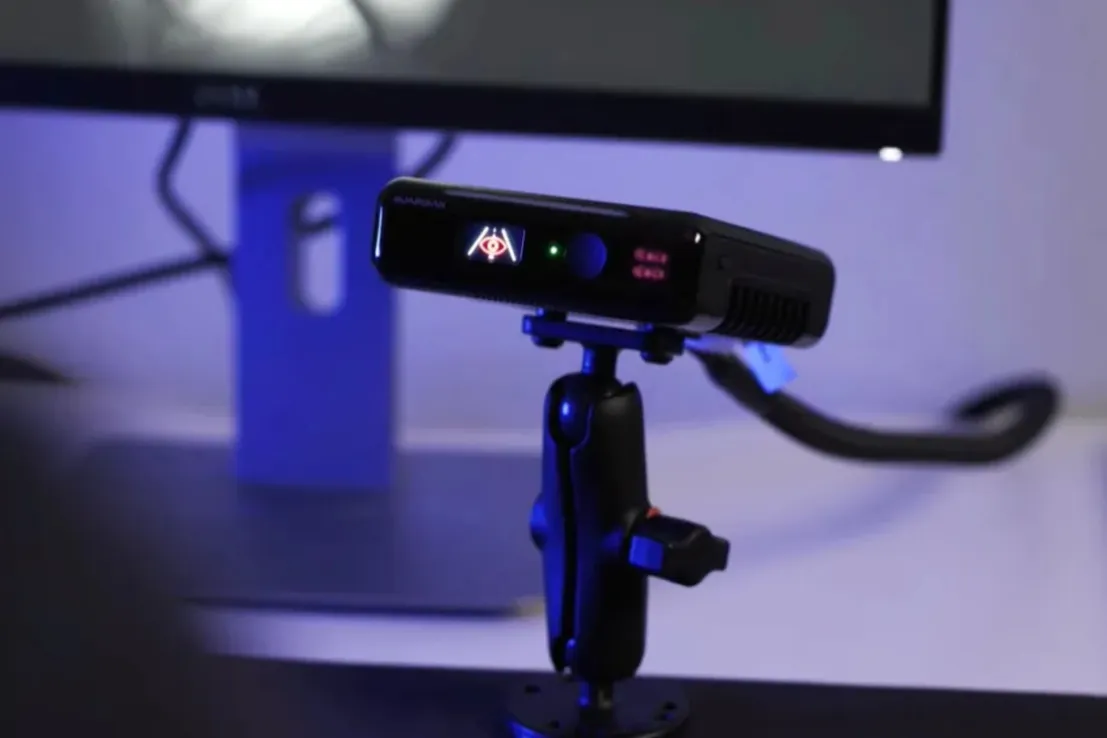
London-based automotive technology firm Seeing Machines has swung into profitability after new European safety legislation drove a sharp increase in demand for its driver-monitoring software.
The AIM-listed company, which develops camera systems and AI software that track drivers' eye and head movements in real time, reported a 45 per cent rise in revenue to $76.3m, up from $52.8m in the prior year. Revenue in the second half alone surged 126 per cent.
The growth was fuelled by a 135 per cent year-on-year increase in royalties revenue, which reached $33.9m, as global automakers rapidly expanded integration of Seeing Machines' systems in response to new European regulations. The European Union's General Safety Regulation (GSR) mandate, which took effect on 7 July 2026, requires camera-based driver monitoring technology in all new vehicle registrations across Europe. The rule represents the first large-scale regulatory mandate for driver-monitoring systems and targets distraction and fatigue, which road safety authorities across Europe identify among the leading contributors to traffic fatalities.
Production volumes of vehicles equipped with Seeing Machines technology grew 195 per cent to nearly 4.5m units. In the fourth quarter, the company set a new record with quarterly production reaching 2.1m units — a 333 per cent increase compared with the same period a year earlier.
The firm expects earnings before tax to land between $10.7m and $11.7m for the second half, marking a reversal from the $13.7m loss recorded in the first half. It anticipates closing the fiscal year with $4.3m in cash.
Global Expansion
Seeing Machines broadened its international reach through partnerships with three new Japanese automakers, alongside an additional $40m in new programme expansions with its existing European manufacturer clients. The push into Japan comes as regulators in multiple markets beyond Europe move toward similar monitoring requirements, with authorities in the United States and China also advancing standards for driver-attention technology amid the proliferation of partial-automation features that require human supervision.
An estimated 8.2m vehicles worldwide are now believed to be operating with the company's safety software installed.
The firm's commercial fleet product, Guardian — used by Transport for London — recorded a 90 per cent quarter-over-quarter increase in hardware unit sales during the final quarter, bringing its full-year revenue to $15m.
Chief Executive Paul McGlone described the latest financial year as "pivotal" for the company, noting that demand for driver-monitoring systems was "increasingly underpinned by regulatory requirements."

