Securitize Eyes $100M+ Tokenized Funds After SEC Approves RIA Status, CEO Carlos Domingo Says
Key Takeaways
- •The SEC approved Securitize Capital’s Registered Investment Adviser status, giving the company a regulated basis to expand its investment business.
- •CEO Carlos Domingo said the approval could enable Securitize to launch tokenized funds valued at more than $100 million.
- •Securitize focuses on tokenizing real-world assets such as private equity, funds, credit products, and other securities.
- •The approval adds to growing regulatory recognition of tokenized financial products as institutional interest in blockchain-based investing increases.
- •Tokenized funds are gaining attention for potential benefits including faster settlement, improved transparency, and greater operational efficiency.
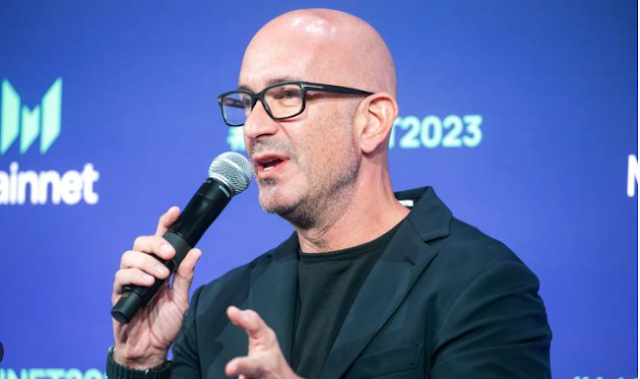
Securitize is preparing to expand its tokenized investment business after reaching a major regulatory milestone in the United States. According to CEO Carlos Domingo, the U.S. Securities and Exchange Commission (SEC) has approved Securitize Capital’s Registered Investment Adviser (RIA) status, a move that he said will allow the company to launch tokenized investment funds exceeding $100 million.
The development marks another step for the rapidly growing real-world asset (RWA) tokenization sector, in which traditional financial products are issued and managed using blockchain technology. As institutional interest in digital assets continues to expand, companies such as Securitize are positioning themselves to connect conventional finance with blockchain-based investment infrastructure.
The announcement was highlighted by Cointelegraph through its official X account, drawing attention across the digital asset industry. It also reflects the increasing regulatory recognition of tokenized financial products as institutional adoption continues to accelerate.
SEC Approval Marks a Significant Milestone
Carlos Domingo said the SEC’s approval of Securitize Capital’s Registered Investment Adviser status creates new opportunities for the company to expand its investment offerings.
Registered Investment Adviser status allows firms to provide investment advisory services under a regulated framework while managing client assets in accordance with federal securities laws.
For Securitize, the approval provides a stronger regulatory foundation for the development of institutional-grade tokenized investment products. Domingo said the company now expects to introduce tokenized funds exceeding $100 million, reflecting growing demand from professional investors seeking blockchain-enabled financial products.
That threshold also underscores how tokenization is moving beyond smaller pilot programs and into fund structures that need the same regulatory and operational rigor as conventional asset management. For the broader market, approvals like this help show how blockchain-based products can fit within existing securities rules rather than operating outside them.
What Is Securitize?
Securitize is one of the leading companies focused on the tokenization of real-world assets.
Its platform allows traditional financial assets — including private equity, investment funds, credit products, and other securities — to be represented as digital tokens on blockchain networks.
Rather than relying entirely on conventional financial infrastructure, tokenization enables ownership records to exist on distributed ledger technology while still remaining subject to applicable securities regulations.
The company has become one of the most recognized names in the institutional tokenization industry through partnerships with major asset managers and financial institutions.
Understanding Registered Investment Adviser Status
A Registered Investment Adviser, commonly known as an RIA, operates under SEC oversight.
RIA firms have responsibilities that include:
- Providing fiduciary investment advice
- Managing investment portfolios
- Maintaining regulatory compliance
- Protecting investor interests
- Meeting disclosure requirements
SEC approval can strengthen investor confidence because it demonstrates compliance with established regulatory standards. For companies operating at the intersection of blockchain and traditional finance, regulatory clarity has become increasingly important.
Why Tokenized Funds Are Gaining Attention
Tokenized investment funds are emerging as one of the fastest-growing areas in digital finance.
Rather than replacing traditional investment structures, tokenization modernizes how ownership interests are issued, transferred, and managed.
Potential advantages include:
- Faster settlement
- Improved transparency
- Greater operational efficiency
- Enhanced recordkeeping
- Programmable financial infrastructure
Supporters say tokenization could significantly reduce administrative costs while making financial markets more efficient.
Institutional Demand Continues to Rise
Institutional investors have shown increasing interest in tokenized financial products over the past several years.
Large asset managers, banks, and investment firms are exploring blockchain technology to improve the management of traditional financial assets.
Areas receiving significant attention include:
- Private credit
- Money market funds
- Treasury products
- Private equity
- Alternative investments
The expansion reflects a broader movement toward integrating blockchain technology into conventional financial markets.
Real-World Asset Tokenization Accelerates
Real-world asset tokenization has become one of the most significant trends in the blockchain industry.
Instead of focusing solely on cryptocurrencies, tokenization applies blockchain technology to traditional financial instruments.
Examples include:
- Government bonds
- Corporate debt
- Investment funds
- Real estate
- Infrastructure investments
- Private market assets
Analysts believe tokenization could eventually transform trillions of dollars in traditional financial assets.
Regulatory Progress Supports Industry Growth
One of the biggest challenges facing blockchain finance has been regulatory uncertainty.
Companies developing tokenized investment products often need clear legal frameworks before expanding institutional offerings.
The SEC approval received by Securitize Capital may encourage additional financial firms to explore similar structures.
Greater regulatory certainty can help attract institutional investors that prioritize compliance and legal clarity.
Blockchain Modernizes Traditional Finance
Blockchain technology offers several operational improvements compared with conventional financial systems.
Transactions recorded on distributed ledgers can provide:
- Greater transparency
- Immutable ownership records
- Automated settlement processes
- Reduced administrative complexity
- Improved audit capabilities
These advantages have encouraged both fintech companies and established financial institutions to invest heavily in blockchain infrastructure.
Competition in the Tokenization Industry Intensifies
Securitize operates in an increasingly competitive market.
A growing number of financial institutions are investing in tokenization platforms as demand continues to expand.
Competition centers on several areas:
- Technology infrastructure
- Regulatory compliance
- Institutional partnerships
- Asset management capabilities
- Cross-border investment solutions
Companies that can combine regulatory expertise with blockchain innovation may gain significant advantages.
Tokenized Funds Could Expand Investor Access
Tokenization may eventually broaden access to investment opportunities that were previously limited to institutional participants.
Digital ownership structures could improve:
- Portfolio flexibility
- Asset transfer efficiency
- Investment accessibility
- Operational transparency
However, availability will continue to depend on securities regulations and investor eligibility requirements.
The Role of the SEC in Digital Finance
The SEC continues to play an important role in determining how blockchain-based financial products evolve in the United States.
Regulatory approvals help establish legal certainty for firms developing innovative investment products.
Industry participants continue to seek greater clarity on:
- Digital securities
- Tokenized assets
- Custody requirements
- Investor protections
- Market infrastructure
The evolution of these rules may shape the future of blockchain-based finance.
Institutional Adoption Continues Expanding
The growth of tokenized investment products reflects broader institutional acceptance of blockchain technology.
Rather than viewing blockchain solely through the lens of cryptocurrency, financial firms increasingly see distributed ledger technology as infrastructure capable of improving capital markets.
Major financial institutions have launched pilot programs involving tokenized bonds, digital funds, and blockchain-based settlement systems.
These initiatives suggest tokenization may become a long-term component of modern financial markets.
Challenges Still Remain
Despite strong momentum, tokenized finance continues to face several obstacles.
Key challenges include:
- Regulatory differences across jurisdictions
- Technology interoperability
- Market liquidity
- Custody solutions
- Investor education
Addressing these issues will remain important as tokenized investment products become more widely available.
Looking Ahead
Carlos Domingo’s comments indicate that Securitize plans to significantly expand its institutional offerings following regulatory approval.
If tokenized funds exceeding $100 million are successfully launched, they could represent another important milestone for blockchain-based asset management.
As financial markets continue to adopt digital infrastructure, companies that combine regulatory compliance with blockchain technology may play an increasingly important role in the evolution of global investing.
Conclusion
Securitize’s SEC-approved Registered Investment Adviser status marks a significant development for both the company and the broader tokenization industry.
According to CEO Carlos Domingo, the approval paves the way for launching tokenized investment funds exceeding $100 million, reflecting growing institutional demand for blockchain-enabled financial products.
As regulators, financial institutions, and technology companies continue advancing tokenized finance, the integration of blockchain into traditional investment management appears to be accelerating. The latest milestone reinforces the view that tokenization is evolving from an emerging concept into a practical component of modern capital markets.

