The Most Boring Job in Politics: Secretaries of State Become Trump's Next Major Battleground
Key Takeaways
- •In most U.S. states, the secretary of state acts as the chief election officer, responsible for voter registration records, election procedures, and the counting and certification of results.
- •Trump's most prominent confrontation with the office came in Georgia, where he urged Republican Secretary of State Brad Raffensperger in a January 2, 2021, call to 'find 11,780 votes,' one more than his margin of defeat, and his related legal challenges were largely rejected by courts.
- •Election officials across the United States reported a rise in threats and harassment following the 2020 election.
- •Secretary of state contests became nationally watched, heavily funded races in the 2022 midterms, and several prominent candidates who echoed Trump's unproven 2020 claims lost their general elections.
- •Because most secretaries of state are elected to four-year terms, the office will continue to appear on state ballots in future election cycles.
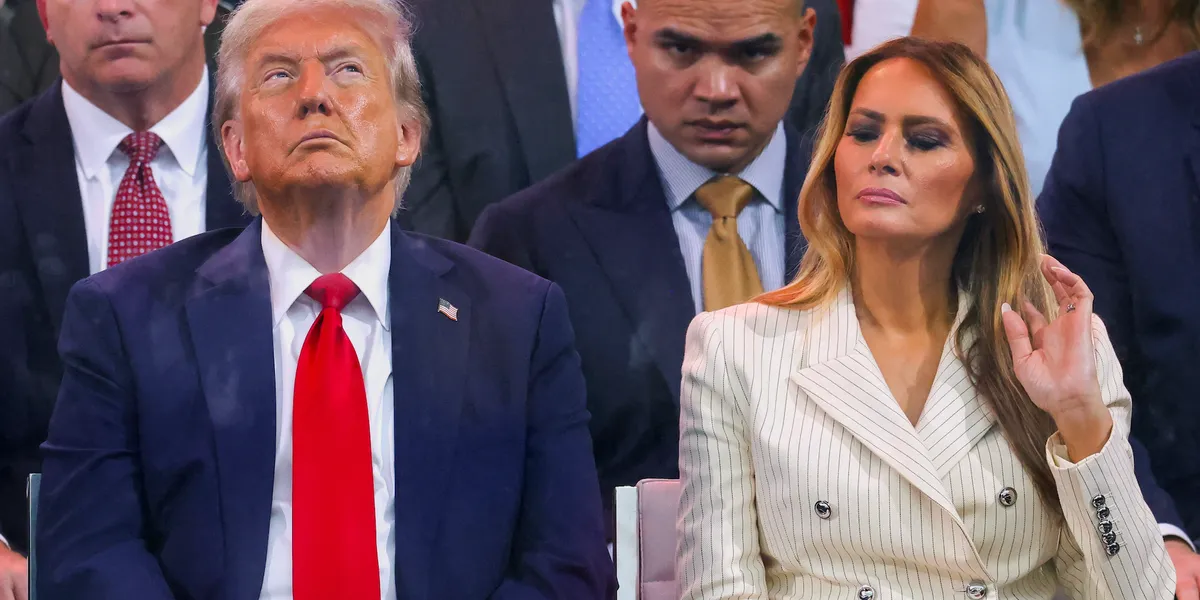
Secretaries of state — the officials who oversee elections in most U.S. states — have long been described as holding the most boring job in American politics. According to Alternet, that office has now become the next major battleground in Donald Trump's ongoing conflicts over how U.S. elections are run.
In most states, the secretary of state serves as the chief election officer, responsible for maintaining voter registration records, administering election procedures, and overseeing the counting and certification of results. The role also encompasses far less visible work, such as registering businesses and maintaining official state records, and its holders have historically attracted little national attention. Election administration in the United States is decentralized, with authority dispersed across the states and thousands of county and local jurisdictions — so the officials who keep the voter rolls and set the procedures are state-level officeholders rather than a single national authority. Because certification is the step at which election results become official, the identity of the person holding the office carries practical weight in any closely decided contest.
That low profile began to fade after the 2020 presidential election, when Trump publicly disputed the outcome and clashed with the officials who administer it. The most prominent confrontation came in Georgia, where Trump urged Republican Secretary of State Brad Raffensperger in a January 2, 2021, telephone call, audio of which was later made public, to “find 11,780 votes” — exactly one more than his margin of defeat in the state. Trump's legal challenges to the election results were overwhelmingly rejected by state and federal courts.
The politicization of the office has carried consequences beyond the courtroom. Election officials across the country reported a rise in threats and harassment following the 2020 election, and secretary of state contests became nationally watched, heavily funded races in the 2022 midterms, with several candidates who echoed Trump's unproven claims about the 2020 outcome seeking to take control of election administration. Several of the most prominent of those candidates went on to lose their general-election races, but the contests drew levels of attention and spending far beyond the office's traditionally low-key profile. Because most secretaries of state are elected to four-year terms, the office will continue to appear on state ballots in future election cycles.
Alternet's framing underscores the shift: an office once associated with administrative housekeeping now sits at the center of the country's most consequential fights over the running of elections.
Related Alternet coverage (links preserved from the source):

