Existing White House Bunker Undercuts Trump's $600 Million Ballroom Argument, Former Officials Say
Key Takeaways
- •Three former officials told the Washington Post that a bunker built to withstand a nuclear blast was completed beneath the White House during the Obama administration, sitting more than 60 feet underground and capable of sheltering dozens of people for weeks.
- •Chief Justice John Roberts allowed the roughly 65 percent complete ballroom project to continue while the Supreme Court weighs the case, after lower courts had ordered a halt to all but national-security-related work.
- •Deputy Chief of Staff Stephen Miller and Army Secretary Dan Driscoll told the court that the underground facility is essential to continuity of government and the president's command authority during a crisis.
- •Former officials warned that demolishing the East Wing may have damaged the World War II-era Presidential Emergency Operations Center, which sheltered Vice President Dick Cheney during the September 11, 2001 attacks.
- •The National Trust for Historic Preservation, which sued over the project, says it was never briefed on the existing bunker and never asked to withhold its lawsuit, despite Trump's accusation that the group acted treasonously.
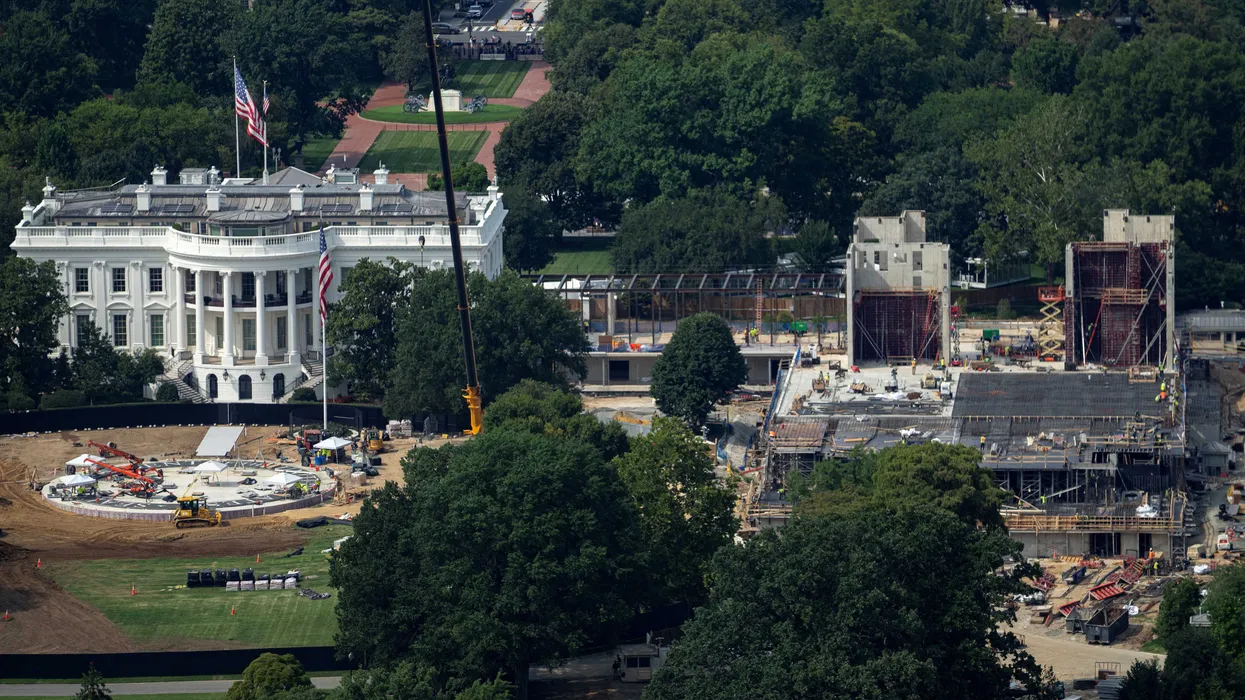
President Donald Trump has defended the White House's $600 million ballroom project on the grounds that it would provide him and future presidents with a bunker-grade, fortified complex. But former officials say that rationale overlooks a facility that already exists beneath the White House.
More than a decade ago, federal officials quietly constructed a highly protected bunker deep below the complex, three former officials told the Washington Post. Completed during the Obama administration, the facility sits more than 60 feet underground, can shelter dozens of people for weeks, and is built to withstand a nuclear blast — providing the president with a secure command center in a national emergency.
The disclosure undercuts the administration's legal argument, now before the Supreme Court, that the ballroom's underground "military complex" is a non-negotiable national security necessity.
White House spokesman Davis Ingle described the facility as "inextricably tied to the security of the President," pointing to a foiled attack on a UFC event as proof of the need for drone-proof structures.
Chief Justice John Roberts — the justice assigned to handle emergency applications from the U.S. Court of Appeals for the D.C. Circuit — issued an order Friday allowing construction to continue while the Supreme Court weighs the case, after lower courts had ordered a halt to all work except national-security-related activity.
Deputy Chief of Staff Stephen Miller and Army Secretary Dan Driscoll have both told the court that the underground facility is essential to "continuity of government" — the decades-old planning framework for keeping the presidency and its command structure functioning through a catastrophic attack. Driscoll called it "a nondiscretionary prerequisite" for the president to exercise command authority during a crisis. Officials say the project is roughly 65 percent complete, with 250 workers on 20-hour shifts.
The former officials countered that the same rationale was invoked two decades ago to build the existing bunker — raising the question of why the White House now claims it lacks adequate protection. They also warned that demolishing the East Wing may have damaged the older Presidential Emergency Operations Center, which sat just 20 feet below it. That center, a hardened shelter dating to World War II, was used during the September 11, 2001 attacks, when Vice President Dick Cheney and senior aides were moved there. The officials added that publicizing details of the new facility — including its "drone port" — could itself create security risks.
District Judge Richard Leon, a George W. Bush appointee who first ordered construction halted, has remained unmoved by the security arguments, writing that officials "themselves forged ahead and created this 'coordinated and managed safety hazard'" on White House grounds.
The National Trust for Historic Preservation, a congressionally chartered preservation group founded in 1949 that sued over the project, says it was never briefed on the existing bunker and was never asked to withhold its lawsuit — despite Trump's claim that the group acted "treasonist[ly]" by filing it.
Source: Raw Story

