SEC Sets Five-Year Innovation Exemption for Tokenized Stocks as US Markets Prepare for 23-Hour Trading
Key Takeaways
- •The SEC's Innovation Exemption gives eligible venues five years of relief to trade tokenized exchange-listed U.S. securities, subject to volume limits and a 30-day issuer objection process.
- •Exchange trading and public market data are expected to support 23-hour weekday trading beginning Dec. 6, building on the DTCC's summer move to a 23-hour, five-day clearing and settlement schedule.
- •Some alternative trading systems already run 23-hour weekday sessions representing roughly 1% of volume, and Selway described continuous round-the-clock trading as inevitable, with tokenized securities issued under the exemption available at all hours.
- •The Consolidated Audit Trail's annual operating cost has fallen from about $250 million to below $150 million, and the SEC is considering taking responsibility for its governance and funding through Section 31 fees.
- •The SEC is coordinating with the Commodity Futures Trading Commission on reporting, portfolio margining, and cross-category products while reviewing transfer-agent rules and dealer definitions.
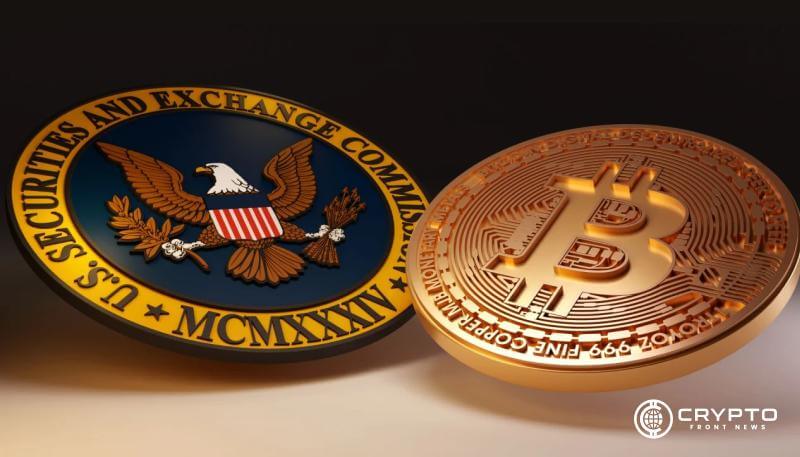
The U.S. Securities and Exchange Commission is preparing regulatory changes that would allow tokenized securities to trade on blockchain-based venues while U.S. markets extend their operating hours. SEC Chair Paul Atkins and Jamie Selway, Director of the Division of Trading and Markets, outlined the plans during an appearance on the SEC's Material Matters podcast. The two efforts run on parallel tracks: moving listed securities onto blockchain rails and stretching the hours during which U.S. markets operate.
SEC Establishes Five-Year Tokenization Exemption
Selway said the SEC's Innovation Exemption gives eligible venues five years of relief to trade tokenized National Market System securities, the regime that governs exchange-listed U.S. stocks. The exemption is subject to volume limits and requires notice to issuers, who have 30 days to object.
The framework applies to tokenized securities that retain the rights and privileges of the underlying security, while excluding synthetic products. Applicants may begin operating 30 days after filing their notice.
Selway described the exemption as a sandbox for gaining experience, with results that could inform future rulemaking and legislation. Alongside the exemption, the SEC has issued a statement addressing wallets, provided a no-action position — staff assurance that it does not intend to recommend enforcement for the described activity — for the Depository Trust & Clearing Corporation, and published a tokenization taxonomy.
Trading Hours Extend Beyond Traditional Schedules
According to Selway, U.S. markets currently operate from 4 a.m. to 8 p.m. Eastern. Some alternative trading systems have already expanded to 23-hour weekday trading, which accounts for roughly 1% of volume at this stage. Extended sessions allow market participants to react to developments occurring outside the traditional window rather than waiting for the next open.
The SEC expects exchange trading and public market data to support 23-hour weekday trading beginning Dec. 6. The Depository Trust & Clearing Corporation, which provides central clearing and settlement for U.S. equities — the post-trade process that finalizes transactions — began clearing and settling trades on a 23-hour, five-day schedule over the summer, with a one-hour pause each day allowing systems to reset.
Some alternative trading systems are preparing for continuous 24/7 trading. Selway called round-the-clock trading inevitable while noting that weekend activity may require pre-funding because banks are closed. Tokenized securities issued under the exemption will be available around the clock.
SEC Reviews Oversight Framework and Market Costs
Atkins and Selway also discussed the Consolidated Audit Trail, the centralized record of order and trade events across U.S. equity and options markets. Selway said its annual operating cost has fallen from about $250 million to below $150 million, and the SEC is considering taking responsibility for its governance and funding through Section 31 fees, the transaction-based assessments that finance SEC operations.
The two officials also covered the SEC's coordination with the Commodity Futures Trading Commission on reporting, portfolio margining, and cross-category products. In addition, the SEC is reviewing transfer-agent rules — transfer agents maintain issuers' official records of securityholders — and dealer definitions. How venues adopt the exemption, how issuers respond during the 30-day objection windows, and how these pending reviews conclude will shape the next phase of tokenized trading and extended market hours.

