SEC Proposes New Rules for Crypto Custody
Key Takeaways
- •The SEC proposed rules on October 1 to establish a regulatory framework for crypto asset custody under the Investment Advisers Act and the Investment Company Act.
- •Investment advisers and funds acting through their advisers could hold clients' crypto assets themselves, but only when no permitted custodian is available.
- •Records maintained on a blockchain could count toward compliance requirements, and state trust companies could act as crypto custodians, both subject to certain conditions.
- •SEC Chairman Paul Atkins said custody regulations had not kept pace with a crypto market that has grown into a multi-trillion-dollar asset class since Bitcoin's advent in 2008.
- •The proposal came after lawmakers blocked the Clarity Act in a procedural vote and must move through the SEC's rulemaking process, including public comment, before a final rule is adopted.
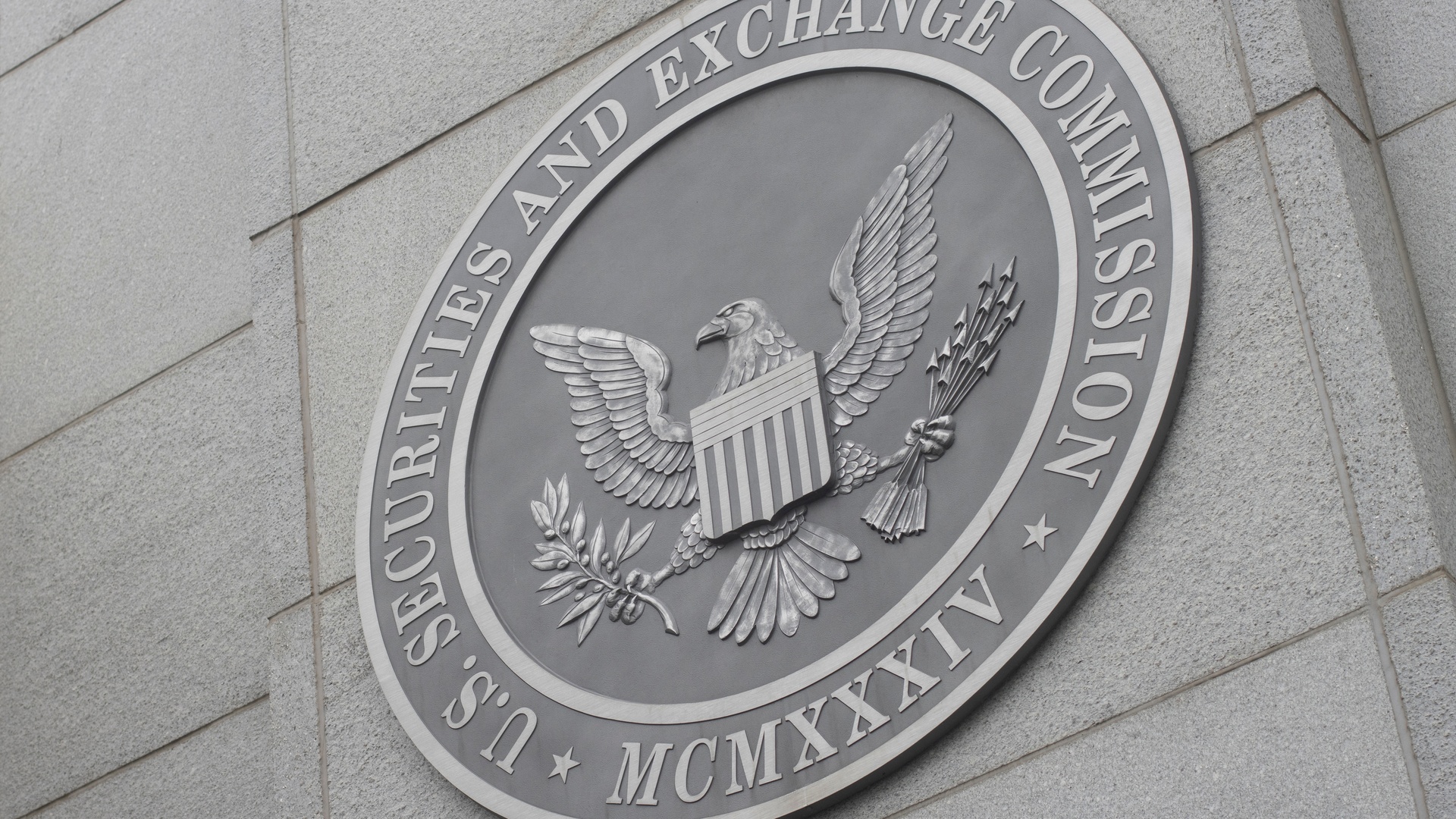
The U.S. Securities and Exchange Commission has proposed rules to update how investment advisers and regulated funds hold assets, with a particular focus on crypto assets.
In a statement on Thursday, October 1, the SEC said investment advisers and funds acting through their advisers could hold clients’ crypto assets themselves, but only when no permitted custodian is available. The proposal is intended to establish a regulatory framework for crypto custody under the Investment Advisers Act and the Investment Company Act.
Custody requirements define who may hold client funds and under what safeguards, making them foundational to how regulated firms can offer clients exposure to any asset class. The SEC’s existing custody framework did not specifically address crypto assets — a gap the new proposal aims to fill.
The SEC said records maintained on a blockchain could count toward compliance requirements, subject to certain conditions. The proposal would also permit state trust companies to serve as custodians for crypto assets held by clients and regulated funds, again subject to conditions. The SEC’s official announcement describes the proposed changes.
SEC Chairman Paul S. Atkins said the rules governing custody had not kept pace with the growth of the digital-asset market.
“Since the advent of Bitcoin in 2008, the crypto asset market has grown from a niche curiosity into a multi-trillion-dollar asset class to which investors actively seek exposure. Unfortunately, our rules and regulations have not kept pace,” Atkins said in a statement.
“To that end, today’s proposal would provide a clear regulatory framework for the custody of crypto assets, giving investment advisers and funds a compliant pathway where none existed before — and replacing the grey of uncertainty created by custody rules crafted for a bygone era.”
JUST IN: SEC Chairman Paul Atkins releases a statement to address the custody of crypto assets. "Since the advent of Bitcoin in 2008, the crypto asset market has grown from a niche curiosity into a multi-trillion-dollar asset class" pic.twitter.com/SbLR2HAeW1 — Bitcoin Magazine (@BitcoinMagazine) October 1, 2026
The proposal comes after lawmakers blocked the Clarity Act in a procedural vote last month. The legislation would have created a framework for distinguishing whether digital assets are securities, commodities or payment stablecoins, but it did not receive enough votes to advance. Bitcoin Magazine reported on the vote.
The move is consistent with what regulators had said before the vote: that they would continue developing rules for the crypto industry regardless of whether the legislation passed. Before the vote, the SEC sent a proposal to the White House intended to “clarify the framework for the custody of crypto assets” for investment advisers and companies.
Atkins, who has been described as pro-crypto, said he would continue working to make the United States the “crypto capital of the world” regardless of whether the legislation advanced. The proposal is subject to the SEC’s rulemaking process, which allows for public comment and revisions before any final rule is adopted. The original report was published by Bitcoin Magazine and written by Mathew Di Salvo.

