SEC Prepares for 24/7 Trading as Crypto Sets the Pace
Key Takeaways
- •The SEC is internally preparing for round-the-clock equities trading but has issued no final rule, compliance deadline, or implementation timeline.
- •Crypto markets, including decentralized exchanges and centralized venues such as Coinbase and Binance, have operated continuously since inception and now serve as the SEC's operational reference.
- •Continuous trading would require major changes to supervision frameworks, settlement rails, and staffing, since U.S. equities currently follow a T+1 cycle tied to business days.
- •Maintaining surveillance during off-session hours is a central regulatory challenge, as existing oversight is calibrated to defined market sessions and could leave monitoring gaps during low-liquidity periods.
- •Schwab's announcement that it will offer Bitcoin and Ethereum spot trading illustrates how traditional financial institutions are recalibrating operations to meet continuous-market expectations.
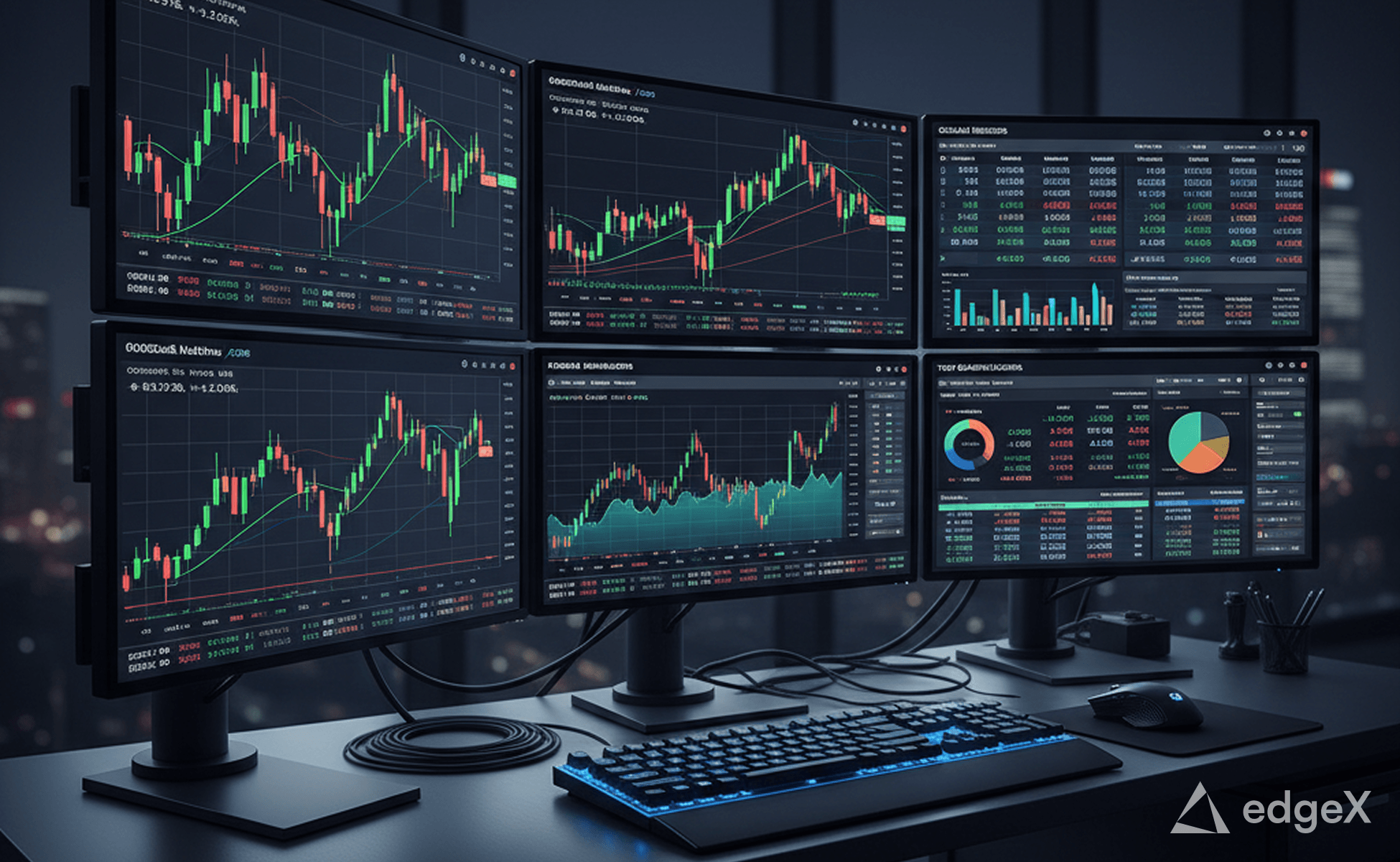
The U.S. Securities and Exchange Commission has begun internal preparations for around-the-clock equities trading, a structural shift that would bring regulated markets closer to the always-on model used by crypto protocols since their inception. The move signals a reassessment of how U.S. market infrastructure is designed, although no final rule or implementation timeline has been established.
Reporting from CoinDesk indicates that the SEC is actively preparing for continuous trading and is treating crypto’s 24/7 market structure as an operational reference point. The distinction between preparation and a finalized mandate remains important: market do not yet face a compliance deadline, but the potential direction is becoming clearer.
What shifting to 24/7 trading means for market structure
Traditional U.S. equities markets operate during scheduled sessions, typically from 9:30 a.m. to 4:00 p.m. Eastern time on weekdays. Limited pre-market and after-hours sessions already operate outside that core window, though with thinner liquidity and participation than the regular session. Extending those hours to continuous operation would require changes to supervision frameworks, settlement rails, and intermediary staffing. Those systems were built around session-based assumptions and cannot be adapted without significant operational changes. Settlement is a case in point: U.S. equities currently follow a T+1 cycle, with trades settling one business day after execution — a cadence built around business days rather than continuous operation.
For regulators, the central challenge is maintaining continuous surveillance. The SEC’s existing oversight framework is calibrated around defined market hours, while off-session periods can create monitoring gaps that bad actors may exploit. A 24/7 mandate without corresponding surveillance upgrades could reduce oversight density during periods of lower liquidity.
Scope and timing remain undefined
No SEC proposal currently specifies which venues would be covered, whether extended hours would apply to all equities or only a subset, or how the settlement cycle would integrate with continuous price discovery. These are consequential implementation questions. Their resolution will influence whether 24/7 trading broadens investor access or concentrates activity among participants with the infrastructure to remain active around the clock.
Why crypto is the operational reference point, not just a metaphor
Crypto markets have never operated on a session schedule. Decentralized exchanges run on-chain logic continuously, while centralized venues such as Coinbase and Binance process orders at 3 a.m. on Sunday using the same infrastructure available at midday on Tuesday. This is not simply a feature choice; it is a structural property of permissionless blockchains, where no single entity controls when the market opens or closes. With participants spread across time zones, there is no single region whose business hours could define the market’s schedule.
Continuous price discovery versus scheduled sessions
In session-based markets, price gaps can form overnight as information accumulates without a clearing mechanism. For participants, that means developments surfacing outside regular hours cannot be acted on until the next open. Continuous markets eliminate those scheduled gaps but shift the challenge toward liquidity depth. Spreads can widen during periods of low participation, and large orders placed outside peak hours can have a disproportionate effect on prices.
DeFi automated market makers handle this issue through algorithmic pricing curves. Traditional order books, by contrast, require human or algorithmic market makers to be available at all hours.
The operational demands crypto already absorbs
Operating continuously requires permanent on-call incident response, ongoing custody operations, always-on compliance monitoring, and liquidity provision that does not stop at the end of a trading session. Crypto protocols and exchanges built these functions from the outset. For traditional brokers and exchanges adapting existing infrastructure, retrofitting those capabilities would involve substantially greater cost and complexity.
The announcement that Schwab would offer Bitcoin and Ethereum spot trading illustrates how traditional financial institutions are recalibrating their operational models to meet expectations associated with continuous markets.
What to watch in the SEC’s next regulatory steps
The path from preparation to implementation runs through formal rulemaking, including concept releases, proposed rules, public comment periods, and final adoption. Each stage could introduce constraints, exemptions, or phased timelines that materially change the practical outcome. Market participants should monitor SEC speeches and statements for indications of which venues could fall within the scope of any framework and what its supervisory architecture might entail.
Exchange and broker readiness is a parallel requirement. Surveillance systems, settlement infrastructure, margin and risk-management processes, and customer-support operations would all need designs capable of continuous operation before 24/7 trading could function at scale. The SEC’s innovation exemption framework may provide transitional flexibility for venues working toward compliance, but that would depend on how the agency defines the scope of any future proposal.
Investor protection during off-hours remains an unresolved governance question. Thin-liquidity periods can expose retail participants to wider spreads and faster adverse price movements. Whether the SEC addresses that asymmetry through circuit breakers, liquidity requirements, disclosure mandates, or other measures will affect how continuous trading operates in practice. Ongoing SEC and CFTC coordination on crypto rules suggests that multi-agency alignment could influence the eventual design of any 24/7 trading framework.

