SEC-Hosted PDFs Mention GTA VI-Linked Solana Token but Show No Rockstar or Take-Two Approval
Key Takeaways
- •PDFs hosted on the SEC's public comment system reference a Solana token described as linked to GTA VI, but hosting on SEC.gov is a hosting detail rather than regulatory approval or certification.
- •Neither the SEC-hosted documents nor their framing show approval, endorsement, licensing, or partnership from Take-Two Interactive or Rockstar Games.
- •Take-Two has a documented record of enforcing Grand Theft Auto intellectual property, including litigation over reverse-engineered GTA code and takedown demands against fan projects and mods.
- •Media coverage of GTA 6-related crypto promotions, including an apparent leak, has flagged warning signs consistent with crypto scams.
- •The verifying signals — a direct Rockstar or Take-Two statement, an issuer acknowledgment, or a verifiable licensing arrangement — are all absent from the documents.
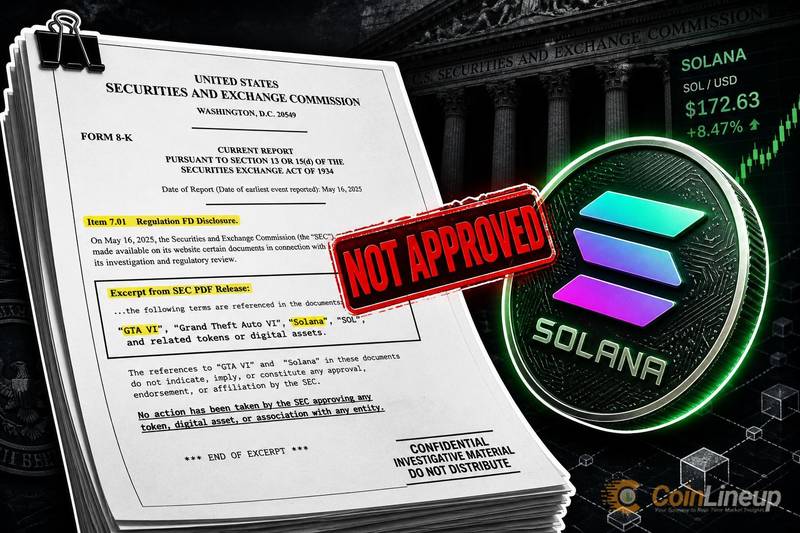
A set of PDF documents hosted on a U.S. Securities and Exchange Commission website reference a Solana token presented as tied to Grand Theft Auto VI, but the documents contain no approval, endorsement, or involvement from Take-Two Interactive or Rockstar Games.
That distinction matters. A file residing on SEC infrastructure is not the same thing as an SEC-approved product, and anyone can submit a comment letter to a public rulemaking docket. This article examines only what the documents actually say; it does not assess whether the token itself is legitimate or holds any value.
What the SEC-hosted PDFs actually mention
The core verifiable fact is simple: a PDF hosted on the SEC's comment system references a Solana token described as linked to GTA VI.
Being hosted on SEC.gov gives the file an official-looking web address. That is a hosting detail, not a seal of approval — comment letters and exhibits sit on that server as part of open public dockets. The mechanism is routine: the SEC opens public comment periods on proposed rules and posts submissions in online dockets, and the “S7” prefix in this file's address is standard rulemaking numbering. Comment letters are posted as received, and posting them implies no vetting of, or agreement with, their contents. The accurate wording is therefore “mention” and “tied to,” not “official” or “registered.” The document refers to the token; it does not certify it.
Why the files do not show Take-Two or Rockstar approval
Grand Theft Auto is owned by Rockstar Games, a studio under publisher Take-Two Interactive. Rockstar promotes the sequel on its own official GTA VI page, which is the place to look for genuine company statements.
Neither the SEC-hosted documents nor the headline framing show approval from Take-Two, and they show no approval from Rockstar either. A mention in a third-party document is not brand consent: it is not a licensing deal, and it is not a partnership. Marketing that borrows a famous game's name is very different from the rights-holder authorizing anything.
Take-Two's public record adds context. The publisher has a documented history of enforcing its Grand Theft Auto intellectual property — from litigation over reverse-engineered versions of classic GTA code to takedown demands aimed at fan projects and mods. That record concerns past projects, not this token, but it shows how the company has treated unauthorized use of the brand before.
Reporting on the episode has echoed that gap, with coverage flagging crypto-scam warning signs — including an apparent GTA 6 “leak” that read like a crypto scam rather than a genuine studio release.
For readers tracking the question, the signals that would resolve it are concrete: a direct statement from Rockstar or Take-Two, an acknowledgment from the token's issuer, or a verifiable licensing arrangement. The SEC-hosted documents contain none of these.
What this means for people watching Solana meme tokens
Game-linked tokens attract attention because the intellectual property is instantly recognizable. Putting “GTA VI” on a coin does real marketing work before anyone checks the facts, and headline-driven momentum tends to spread faster than verification. A token can trend for hours on a name alone — a pattern familiar from the wider search for the next breakout meme coin.
Nor is the pattern new. Tokens borrowing recognizable names without authorization have recurred across crypto cycles, and regulators — the SEC included — have cautioned investors about promotions that lean on famous names and brought enforcement cases over undisclosed paid promotion of crypto assets. None of that speaks to this specific token; it explains why the relevant standard is verification rather than virality.
The absence of shown approval should shape how the story is read. Until a rights-holder confirms involvement directly, the token is best understood as a narrative-sensitive asset, meaning its value rests on a story rather than a proven fact. The safest habit is verification discipline: look for a direct corporate statement before treating any entertainment-brand crypto claim as credible, the same caution that applies across fast-moving regulatory and enforcement news.
For the ordinary holder, the takeaway is plain. A famous name and an SEC web address are not proof, and in this case the documents supply neither approval nor endorsement.
Disclaimer: This article is for informational purposes only and does not constitute financial or investment advice. Cryptocurrency and digital asset markets carry significant risk. Always do your own research before making decisions.
