SEC Charges Goliath Ventures and CEO Over Alleged $425 Million Crypto Ponzi Scheme Targeting 1,300 Investors
Key Takeaways
- •On August 11, the SEC filed a civil enforcement action in the U.S. District Court for the Middle District of Florida charging Goliath Ventures and CEO Christopher A. Delgado over an alleged crypto investment fraud.
- •The SEC alleges Goliath raised at least $425 million from more than 1,300 investors between January 2023 and January 2026 through an unregistered offering promising guaranteed principal and monthly returns of 3% to 10%.
- •Investor funds allegedly never reached the promised crypto liquidity pools; instead, money from newer investors was used to pay earlier ones, and sales agents received commissions drawn from investor money.
- •Delgado allegedly misappropriated at least $51 million for homes, luxury vehicles, travel, and yacht-related expenses before the scheme collapsed around November 2025 when the company could no longer attract new capital.
- •Delgado has agreed to a bifurcated settlement that would bar him from future securities-law violations and broker-dealer activity, while the SEC seeks injunctions, disgorgement, and prejudgment interest against Goliath and continues its investigation.
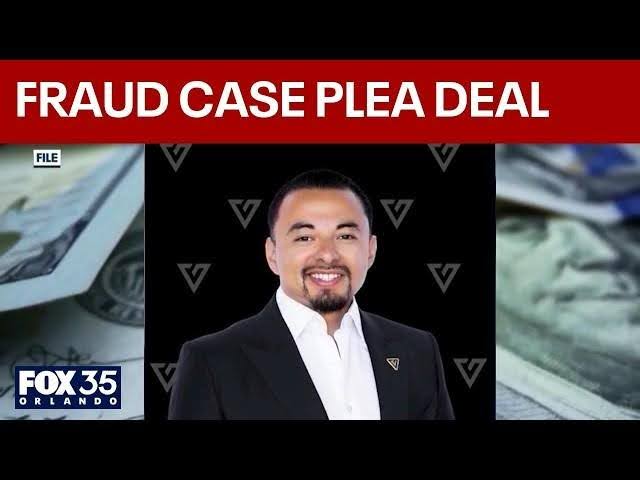
SEC Charges Goliath Ventures and CEO Over Alleged $425 Million Crypto Ponzi Scheme Targeting 1,300 Investors
The U.S. Securities and Exchange Commission has charged Goliath Ventures and its founder and chief executive officer, Christopher A. Delgado, with operating a cryptocurrency investment fraud spanning multiple years — a scheme the regulator says collapsed once the company could no longer make the payments owed to newer investors. The action fits a long-running pattern of SEC civil enforcement against allegedly fraudulent crypto investment programs, in which the agency has warned that digital-asset terminology can be layered on top of a traditional Ponzi structure. As with any SEC complaint, the allegations represent the regulator's claims rather than adjudicated findings.
On August 11, the SEC filed the civil enforcement action in the U.S. District Court for the Middle District of Florida (Litigation Release LR-26608). According to the complaint, Goliath raised at least $425 million from more than 1,300 investors over the course of the alleged fraud.
$425 Million Raised Through Crypto Liquidity Pool Claims
According to the SEC's filing, Goliath operated the alleged scheme through an unregistered securities offering from at least January 2023 to January 2026. Investors were advised to "partner" with the company by contributing cash or crypto assets, which would then be used — as represented to investors — to fund crypto liquidity pools. In exchange, Goliath offered profit distributions of between 3% and 10% per month and guaranteed the return of investors' principal. Those monthly distributions would amount to between 36% and 120% per year even before compounding, and the pairing of guaranteed principal with fixed high monthly returns is the type of pitch SEC investor alerts have long identified as a hallmark of Ponzi-type fraud.
The SEC alleges that those liquidity pools never received the investor money or crypto assets. Instead, the agency says Goliath used funds and digital assets from newer investors to make payments to earlier investors, creating the appearance of a profitable crypto investment operation — the defining mechanic of a Ponzi scheme, in which returns depend on continued recruitment rather than any underlying business activity.
The company also relied on sales agents to attract additional investors, and those agents were paid commissions out of investor money, according to the complaint.
$51 Million in Personal Spending and the Scheme's Collapse
The SEC further alleges that Delgado misappropriated at least $51 million. According to the complaint, the funds were spent on several home purchases, luxury vehicles, travel, and yacht acquisitions and related expenses.
The operation continued until approximately November 2025, when Goliath was no longer able to secure the investor capital it needed. The monthly distributions then stopped, the SEC alleges, and the scheme failed as a result — illustrating the structural fragility the agency's complaint describes: once new money slowed, the payment chain could not be sustained.
Alleged Violations, Settlement Terms and Remedies Sought
The SEC alleges violations of Section 5 and Section 17(a) of the Securities Act of 1933, as well as Section 10(b) of the Securities Exchange Act of 1934 and Rule 10b-5 thereunder. Section 5 requires that securities offerings be registered with the SEC unless an exemption applies, while Section 17(a) and Rule 10b-5 are the core antifraud prohibitions governing misstatements and omissions in connection with securities transactions.
Delgado has agreed to a bifurcated settlement, subject to court approval. Under the proposed judgment, he would be barred from future violations of the securities provisions cited by the SEC. He would no longer be permitted to participate in the issuance, purchase, offer, or sale of any securities, except for certain transactions conducted in his own name. The proposed settlement would also bar Delgado from acting as a broker or dealer. In bifurcated settlements, questions of monetary relief are typically resolved by the court at a later stage rather than in the initial judgment.
Through motions filed with the court, the SEC is seeking injunctions, disgorgement, and prejudgment interest against Goliath. The regulator stated that its investigation into the matter remains ongoing, leaving the court docket in the Middle District of Florida and future SEC litigation releases as the primary sources to watch for further developments.

