SEC Postpones 'Regulation Crypto' Meeting, Leaving U.S. Digital Asset Rules in Limbo
Key Takeaways
- •The SEC canceled its Aug. 14 meeting on the proposed Regulation Crypto framework because of an unforeseen scheduling issue and did not name a replacement date.
- •The Senate has postponed consideration of the Clarity Act, which cleared the House in July, until September, leaving the SEC under greater pressure to provide clarity through its existing authority.
- •Chairman Paul Atkins, who rejoined the agency in April 2025 after Senate confirmation, has outlined a crypto-friendly approach that could include exemptions and safe harbors for token offerings and fundraising.
- •The SEC's Crypto Task Force, formed in early 2025 under Commissioner Hester Peirce, has laid much of the groundwork through public roundtables on custody, trading, tokenization and decentralized finance.
- •President Donald Trump signed a stablecoin statute in mid-July, the first major federal crypto law, which any eventual market-structure legislation would follow.
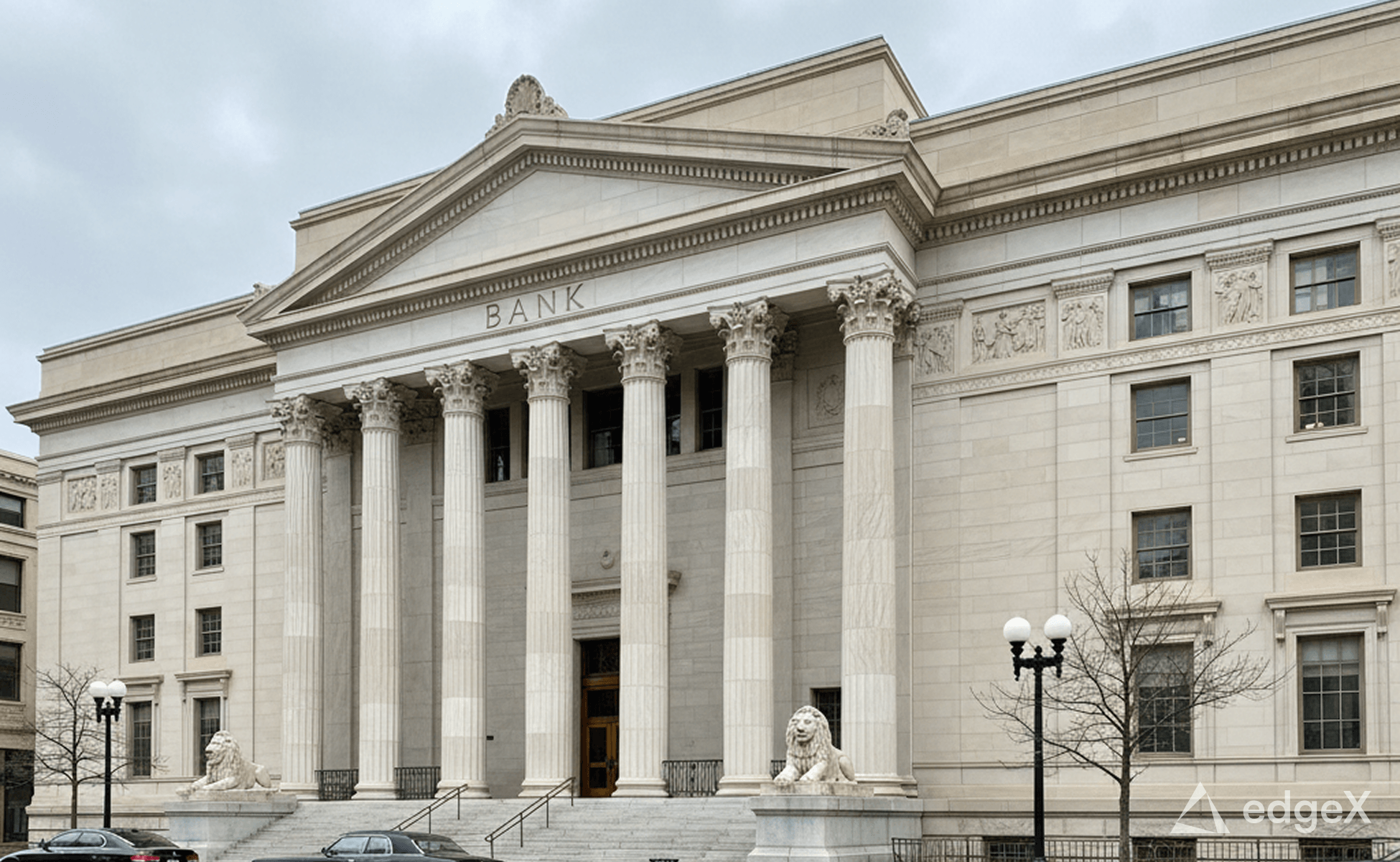
The U.S. Securities and Exchange Commission has postponed a closely watched meeting on its proposed "Regulation Crypto" framework, adding fresh uncertainty to the agency's push for clearer digital asset rules.
The commission canceled the Aug. 14 meeting after citing an unforeseen scheduling issue, and it did not announce a replacement date, leaving the timing of the proposal unclear. The session had been expected to mark a major step toward creating a tailored regulatory framework for certain crypto assets offered through investment contracts.
The delay comes as lawmakers also struggle to advance broader cryptocurrency legislation. The Senate has postponed consideration of the Clarity Act until September, leaving the SEC under greater pressure to provide regulatory clarity through its existing authority.
Regulation Crypto Faces Delay
The "Regulation" label follows a long SEC convention for rule packages that create exemptions from full securities registration, such as Regulation D for private placements and Regulation A+ for smaller public offerings. Applying the format to crypto signals that the agency wants a bespoke pathway for token offerings rather than forcing them into existing structures.
SEC Chairman Paul Atkins, who returned to the agency in April 2025 after Senate confirmation following an earlier stint as commissioner from 2002 to 2008, has outlined a more crypto-friendly approach that would seek to reduce regulatory uncertainty while preserving investor protections. The proposed framework could include exemptions and safe harbors for certain token offerings and fundraising activities.
The agency has also been exploring an innovation exemption aimed at giving digital asset businesses greater flexibility. Much of the groundwork has come from the SEC's Crypto Task Force, launched in early 2025 and led by Commissioner Hester Peirce, which has held a series of public roundtables on custody, trading, tokenization and decentralized finance. The broader effort reflects the SEC's shift toward rules designed specifically for blockchain-based markets, rather than relying primarily on enforcement actions, a pivot underlined by the agency's moves this year to dismiss several high-profile crypto cases filed under previous leadership.
With the meeting postponed, crypto companies and investors now face a longer wait for details about how the proposed exemptions would work.
Senate's Clarity Act Delay Adds Pressure
The SEC's move also arrives at a critical moment for U.S. crypto policy. The Senate entered its August recess without completing work on the Clarity Act, legislation that seeks to establish clearer federal rules for digital assets and divide regulatory responsibilities between the SEC and the Commodity Futures Trading Commission. The bill cleared the House in July before stalling in the Senate, where Banking Committee leaders circulated their own market-structure discussion draft. Any final law would follow the stablecoin statute President Donald Trump signed in mid-July, the first major federal crypto law.
That legislative delay increases the importance of the SEC's own rulemaking efforts. However, without a new meeting date, the timeline for Regulation Crypto remains uncertain.
For crypto startups, token issuers and investors, the postponement means regulatory clarity remains a work in progress. The next SEC meeting could therefore become an important signal for the direction of U.S. digital asset policy.

